Welcome to Hebei Takai Vehicle Parts Technology Co., Ltd.

Understanding High Pressure Common Rail Fuel Systems in Modern Vehicles: A Comprehensive Guide
Release Time:
Nov 28,2024
Understanding High Pressure Common Rail Fuel Systems in Modern Vehicles Table of Contents Introduction to High Pressure Common Rail Fuel Systems What is a Common Rail Fuel System? How Does a High Pressure Common Rail Fuel System Work? Advantages of High Pressure Common Rail Systems Key Components of a Common Rail Fuel System Maintenance Tips for High Pressure Common Rail Systems Common Issues and
Understanding High Pressure Common Rail Fuel Systems in Modern Vehicles
Table of Contents
- Introduction to High Pressure Common Rail Fuel Systems
- What is a Common Rail Fuel System?
- How Does a High Pressure Common Rail Fuel System Work?
- Advantages of High Pressure Common Rail Systems
- Key Components of a Common Rail Fuel System
- Maintenance Tips for High Pressure Common Rail Systems
- Common Issues and Troubleshooting High Pressure Common Rail Systems
- The Future of High Pressure Common Rail Fuel Systems
- Conclusion
- FAQs about High Pressure Common Rail Fuel Systems
Introduction to High Pressure Common Rail Fuel Systems
In modern vehicles, fuel efficiency and performance are critical factors that manufacturers continuously strive to improve. One of the most significant advancements in diesel engine technology is the **high pressure common rail fuel system**. This revolutionary system allows for precise fuel injection, leading to better engine performance, reduced emissions, and enhanced fuel economy. In this article, we will explore the inner workings of high pressure common rail systems, their advantages, key components, and maintenance practices to ensure optimal performance.
What is a Common Rail Fuel System?
A **common rail fuel system** is a type of fuel injection system used primarily in diesel engines. Unlike traditional diesel fuel injection systems, where each injector is supplied by a separate fuel line, a common rail system uses a single rail to store fuel at high pressure, which is then distributed to all the injectors. This allows for multiple injections per cycle, which enhances combustion efficiency and reduces harmful emissions.
The term "common rail" refers to the shared rail that maintains a constant, high-pressure fuel supply. This system enables the engine control unit (ECU) to optimize fuel delivery based on various factors, such as engine load and speed, resulting in improved performance.
How Does a High Pressure Common Rail Fuel System Work?
Understanding the operation of a high-pressure common rail fuel system requires familiarity with its core components and their functions. Here’s a simplified breakdown:
1. Fuel Pump
The process begins with the **fuel pump**, which draws fuel from the tank and pressurizes it. In high-pressure common rail systems, the fuel pump can generate pressures exceeding 30,000 psi.
2. Common Rail
The pressurized fuel is then sent to the **common rail**. This rail acts as a reservoir, ensuring that all injectors receive fuel at the same pressure, regardless of their distance from the pump.
3. Fuel Injectors
Each injector is electronically controlled and can open and close multiple times during a single engine cycle. This allows for precise control over the timing and amount of fuel injected into the combustion chamber.
4. ECU (Engine Control Unit)
The **ECU** plays a pivotal role in managing the entire fuel injection process. It uses various sensors to monitor engine parameters and determine the optimal injection timing, duration, and pressure. This level of control helps achieve more efficient combustion and reduced emissions.
Advantages of High Pressure Common Rail Systems
The adoption of high-pressure common rail systems in modern diesel engines offers several advantages:
1. Enhanced Fuel Efficiency
By optimizing fuel injection timing and quantity, common rail systems significantly improve fuel efficiency. This translates into better mileage and lower fuel costs for consumers.
2. Reduced Emissions
The precise control over fuel injection reduces harmful emissions, making vehicles equipped with common rail technology more environmentally friendly. This is particularly important in meeting stringent emission regulations.
3. Improved Engine Performance
Common rail systems allow for multiple injections during a single combustion cycle, leading to smoother and more powerful engine operation. This results in improved acceleration and responsiveness.
4. Quieter Operation
The ability to finely tune fuel delivery reduces engine noise. This is especially beneficial in passenger vehicles, where a quieter cabin enhances the overall driving experience.
5. Greater Flexibility in Fuel Type
High-pressure common rail systems are compatible with various diesel fuels, including biodiesel blends. This flexibility allows manufacturers to explore different fuel options and adapt to changing market demands.
Key Components of a Common Rail Fuel System
To fully understand how high-pressure common rail systems function, it is essential to familiarize ourselves with their primary components:
1. High-Pressure Fuel Pump
This pump is responsible for generating the high pressures needed for proper fuel delivery. It plays a crucial role in the performance of the entire system.
2. Fuel Rail
The fuel rail serves as a conduit for delivering pressurized fuel to the injectors. It contains a pressure sensor that helps the ECU monitor and adjust fuel pressure.
3. Fuel Injectors
These are precision-engineered components that atomize the fuel before it enters the combustion chamber. The injectors must be responsive and accurate to ensure optimal performance.
4. Pressure Regulator
The pressure regulator maintains the pressure within the fuel rail at the desired level. It ensures that fuel is supplied consistently to the injectors, regardless of engine speed.
5. ECU (Engine Control Unit)
The ECU is the brain of the system, coordinating all aspects of fuel injection. It uses various inputs from sensors to optimize fuel delivery for maximum efficiency and performance.
Maintenance Tips for High Pressure Common Rail Systems
Maintaining a high-pressure common rail fuel system is essential for ensuring its longevity and performance. Here are some maintenance tips:
1. Regular Fuel Filter Changes
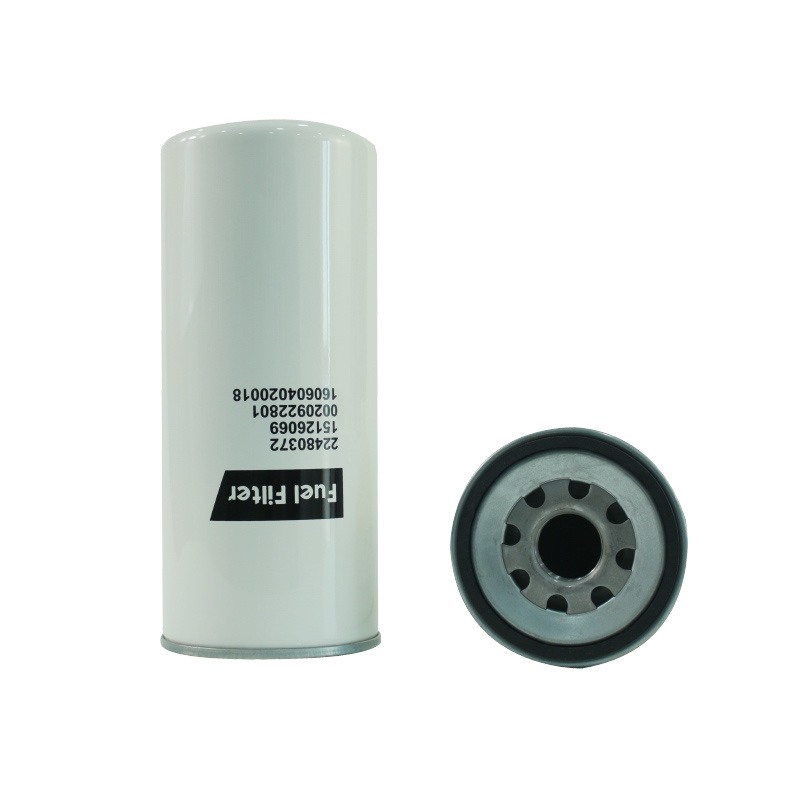
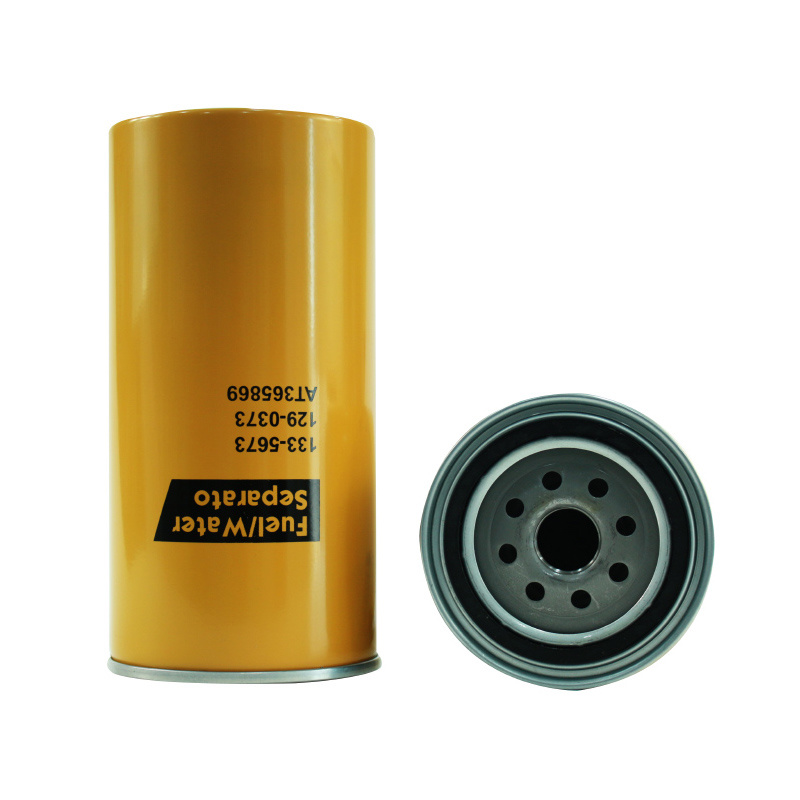
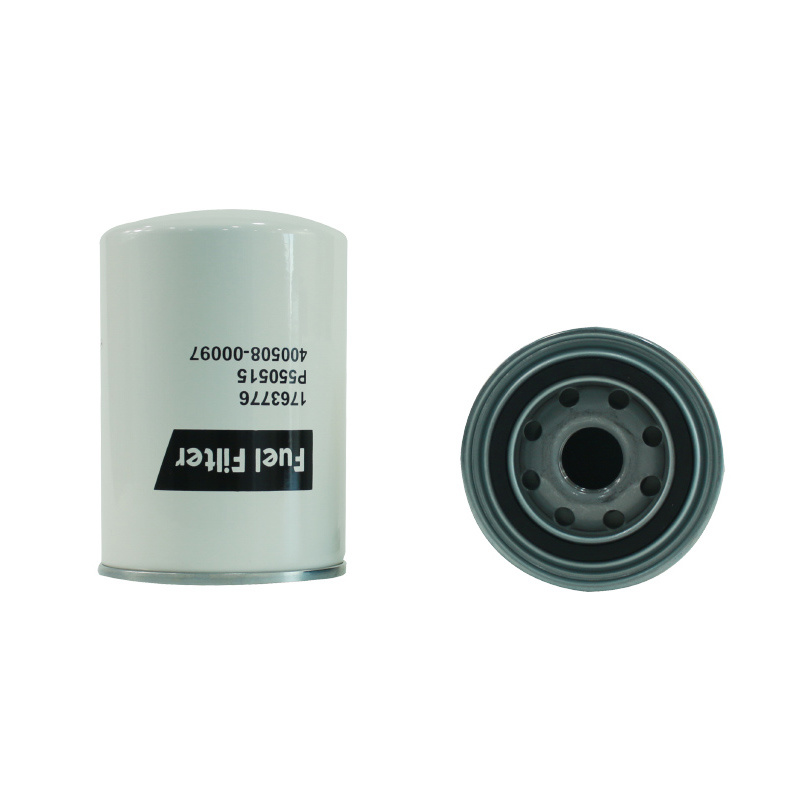
The fuel filter plays a crucial role in preventing contaminants from entering the system. Regularly replacing the fuel filter can prevent clogging and ensure optimal fuel flow.
2. Use Quality Fuel
Using high-quality diesel fuel can reduce deposits and contaminants that can harm the fuel system. It is advisable to avoid low-grade fuels that may contain impurities.
3. Monitor Fuel Pressure
Keep an eye on fuel pressure readings and address any abnormalities promptly. A drop in pressure can indicate issues with the fuel pump or injectors.
4. Inspect and Clean Injectors
Over time, injectors can become clogged with deposits. Regular cleaning or professional servicing can help maintain their performance.
5. Schedule Regular Servicing
Regular servicing by a qualified technician can help identify potential issues before they become significant problems. This proactive approach can save time and money in the long run.
Common Issues and Troubleshooting High Pressure Common Rail Systems
Understanding common issues that can arise in high-pressure common rail systems can help in early detection and resolution:
1. Rough Idling
If the engine is idling roughly, it may indicate faulty injectors or issues with the fuel supply. Inspecting the injectors and fuel pressure can help diagnose the problem.
2. Decreased Fuel Efficiency
A sudden drop in fuel efficiency may signal problems with the fuel system. This could be due to clogged filters, faulty injectors, or issues with the pump.
3. Excessive Smoke
Increased smoke emissions, particularly black smoke, can indicate incomplete combustion due to insufficient fuel injection. This may require injector cleaning or replacement.
4. Warning Lights
Dashboard warning lights related to the fuel system should not be ignored. They can indicate various issues and should be addressed promptly to avoid further complications.
5. Noise from Fuel Pump
Unusual noises from the fuel pump can signal impending failure. If you notice any abnormal sounds, it's advisable to have the pump inspected by a professional.
The Future of High Pressure Common Rail Fuel Systems
The future of high-pressure common rail fuel systems looks promising as manufacturers continue to innovate and refine this technology. With an increasing focus on sustainability and reduced emissions, we can expect advancements in fuel injection systems that enhance efficiency and performance further. The integration of alternative fuels and hybrid technologies may also contribute to the evolution of common rail systems, making them even more versatile and environmentally friendly.
Conclusion
High-pressure common rail fuel systems represent a significant leap forward in diesel engine technology. Their ability to deliver precise fuel injections enhances vehicle performance, fuel efficiency, and reduces harmful emissions. By understanding the intricacies of these systems, their advantages, maintenance needs, and troubleshooting tips, vehicle owners can ensure their engines run smoothly and efficiently for years to come. As technology continues to evolve, we can anticipate even more improvements to fuel systems that align with the global push for greener and more efficient vehicles.
FAQs about High Pressure Common Rail Fuel Systems
1. What is the primary function of a common rail fuel system?
The primary function of a common rail fuel system is to provide a high-pressure fuel supply to the injectors, allowing for precise control of fuel delivery to the engine.
2. How often should I change the fuel filter in my vehicle?
It is generally recommended to change the fuel filter every 10,000 to 15,000 miles, but always consult your vehicle’s owner manual for specific recommendations.
3. Can I use biodiesel in my common rail system?
Yes, many common rail systems are compatible with biodiesel, but it’s crucial to check the manufacturer’s recommendations to ensure compatibility.
4. What are the signs of a failing fuel injector?
Signs of a failing fuel injector may include rough idling, decreased fuel efficiency, increased smoke emissions, and unusual noises.
5. Is professional servicing necessary for high-pressure common rail systems?
While some maintenance tasks can be performed at home, professional servicing is advised for complex issues to ensure the system operates optimally and to avoid further damage.
You Can Also Learn More About Industry Trends



Address: Wangguanzhuang Automobile Industrial Park, Qinghe County, Xingtai City, Hebei Province, China


Main Products