Welcome to Hebei Takai Vehicle Parts Technology Co., Ltd.

High Pressure Common Rail Fuel System: Common Problems and Solutions
Release Time:
Dec 14,2024
High Pressure Common Rail Fuel System: Common Problems and Solutions Understanding the High Pressure Common Rail Fuel System The **high pressure common rail fuel system** is a revolutionary design that has transformed diesel engine performance. It operates by storing fuel at high pressure in a rail, allowing for precise fuel injection timing and quantity. This system optimizes combustion, enhances
High Pressure Common Rail Fuel System: Common Problems and Solutions
Understanding the High Pressure Common Rail Fuel System
The **high pressure common rail fuel system** is a revolutionary design that has transformed diesel engine performance. It operates by storing fuel at high pressure in a rail, allowing for precise fuel injection timing and quantity. This system optimizes combustion, enhances fuel efficiency, and reduces emissions. However, like all mechanical systems, it is not without its challenges.
Key Components of the High Pressure Common Rail Fuel System
To effectively troubleshoot the common problems associated with this system, it is essential to understand its key components. The primary elements include:
Fuel Pump
The fuel pump is responsible for delivering fuel from the tank to the common rail at high pressures. Its efficiency is vital for the system's overall performance.
Common Rail
The common rail acts as a reservoir for pressurized fuel, allowing multiple injectors to draw from it. This enables multiple injections per cycle, improving combustion efficiency.
Fuel Injectors
These are precision devices that atomize the fuel, delivering it into the combustion chamber under high pressure. Their performance directly influences engine power and emissions.
Pressure Regulator
The pressure regulator maintains the desired pressure within the common rail, ensuring optimal fuel delivery and injector performance.
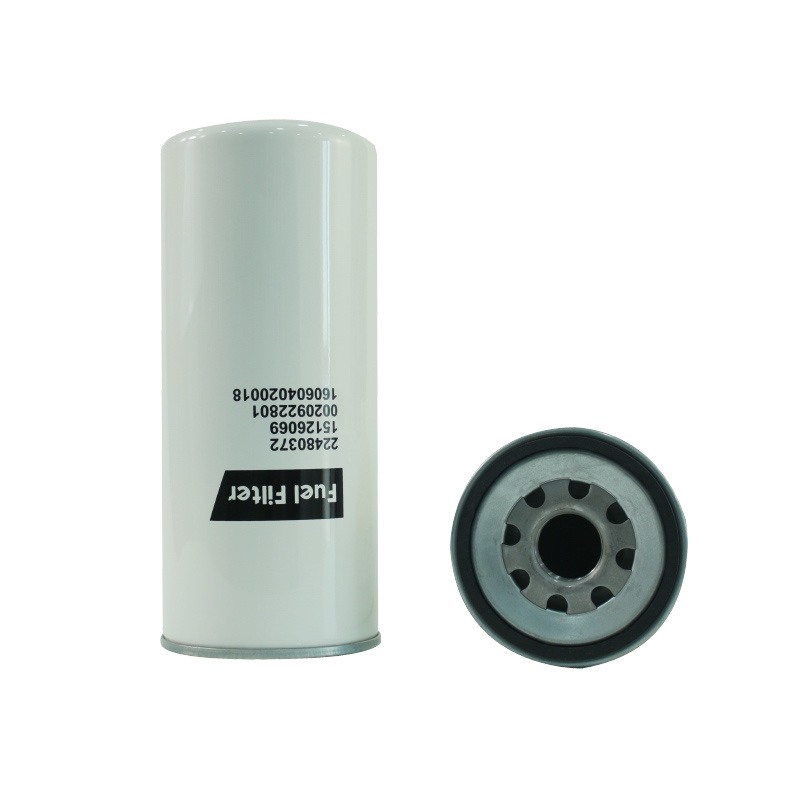
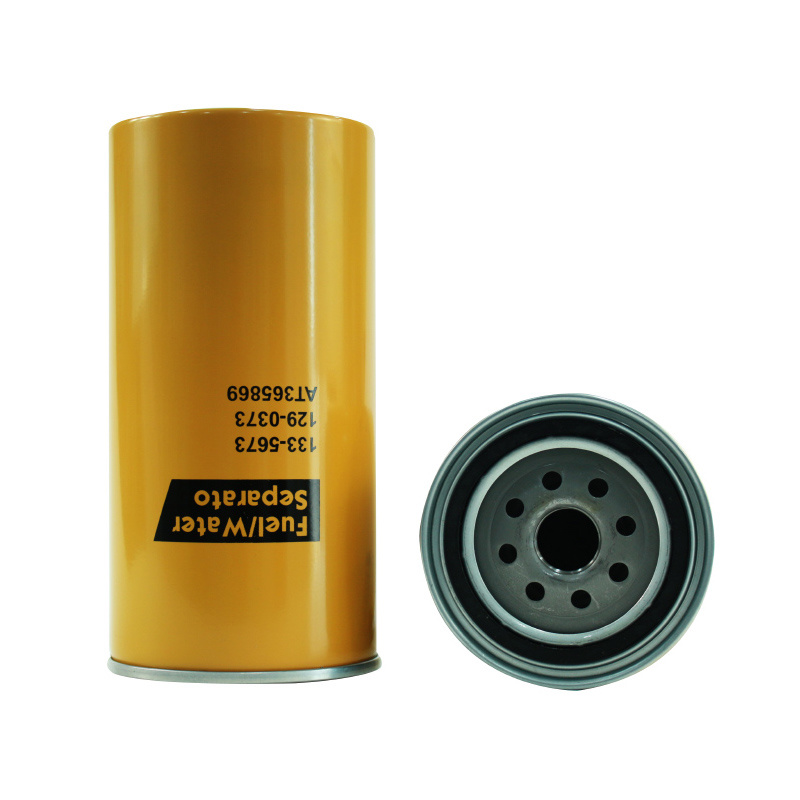
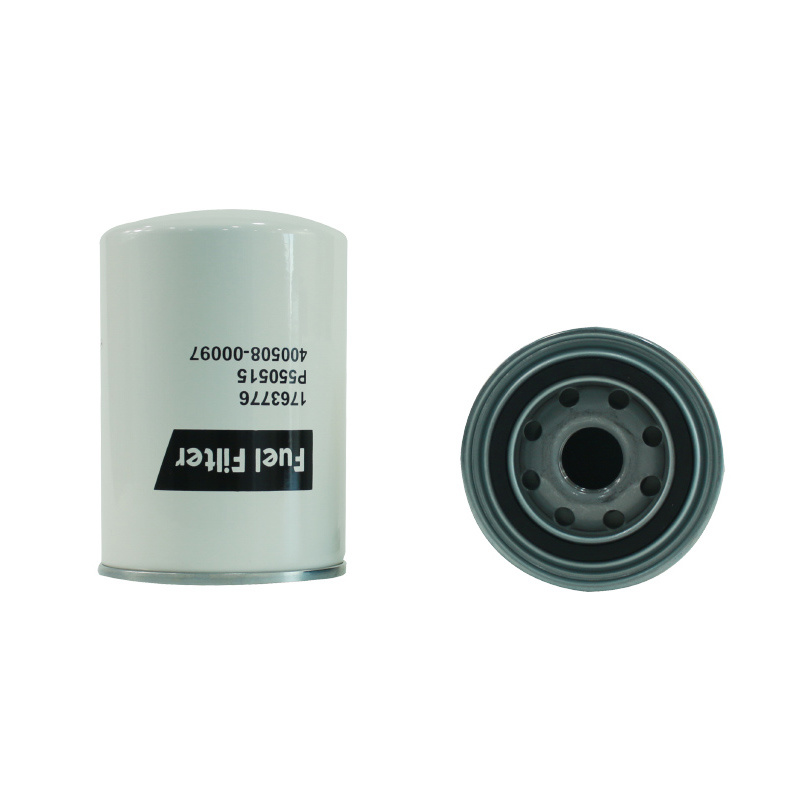
Fuel Filter
In order to protect the system from contaminants, the fuel filter plays a critical role. It prevents dirt and debris from entering the fuel system, which could lead to further complications.
Common Problems Encountered in High Pressure Common Rail Systems
Despite the advanced engineering of high pressure common rail systems, several common issues can arise. Understanding these issues is crucial for effective troubleshooting and maintenance.
1. Fuel Injector Failures
Fuel injectors are prone to wear and tear over time. Common symptoms of injector failure include rough idling, increased emissions, and poor fuel economy. Injectors may clog due to contaminants or fail due to electrical issues.
Solutions for Fuel Injector Failures
Regular maintenance of the fuel system is essential. Replacing fuel filters at recommended intervals and using high-quality fuel can minimize the risk of contamination. If injectors fail, they should be cleaned or replaced as necessary.
2. Fuel Pump Issues
The fuel pump is critical for delivering fuel under high pressure. Common problems include pump failure due to lack of lubrication or excessive heat. Symptoms may include hard starting and loss of power.
Solutions for Fuel Pump Issues
Routine inspections and timely replacement of the fuel pump can prevent failures. Ensuring the fuel tank is not regularly run low can help maintain pump longevity.
3. High Pressure Rail Leaks
Leaks within the common rail can lead to significant loss of pressure, impacting engine performance. Identifying leaks early is essential to avoid severe damage.
Solutions for High Pressure Rail Leaks
If a leak is suspected, a thorough inspection of the rail and connections should be conducted. Replacing damaged components promptly can prevent further issues.
4. Contaminated Fuel
Contaminated fuel can lead to several issues, including clogged injectors and damaged fuel pumps. Common causes include water intrusion and sediment buildup in the fuel tank.
Solutions for Contaminated Fuel
Using fuel additives can help mitigate some contamination effects, but prevention is key. Ensure regular maintenance of the fuel system and storage tank to minimize contamination risks.
5. Pressure Regulation Problems
The pressure regulator plays a vital role in maintaining the correct fuel pressure. Malfunctions can lead to inadequate fuel delivery or excessive pressure, impacting performance.
Solutions for Pressure Regulation Problems
Regular testing of the pressure regulator is recommended. If issues arise, recalibrating or replacing the regulator can restore proper function.
Preventative Maintenance Tips for High Pressure Common Rail Fuel Systems
Preventative maintenance is crucial in extending the lifespan of your high pressure common rail fuel system. Here are several important tips to keep your system in optimal condition:
1. Regular Fuel Filter Replacement
Replacing the fuel filter at recommended intervals prevents contaminants from damaging the injectors and pump.
2. Use High-Quality Fuel
Opting for premium diesel fuel reduces the likelihood of contamination and enhances overall performance.
3. Periodic System Inspection
Routine inspections can catch early signs of wear and tear, allowing for proactive maintenance.
4. Monitor Fuel Pump Performance
Keeping an eye on the fuel pump's operation helps identify potential issues before they lead to failures.
5. Maintain Clean Fuel Storage
Ensuring the fuel storage tank is free from debris and water can prevent contamination.
Signs of High Pressure Common Rail Fuel System Problems
Being able to identify the signs of problems early can save time and money. Here are key indicators of issues within the system:
1. Decreased Engine Power
A noticeable decline in power, especially during acceleration, may indicate fuel delivery issues.
2. Engine Stalling
Frequent stalling can signal problems with the fuel pump or injectors.
3. Poor Fuel Economy
If your vehicle begins consuming more fuel than usual, it may be time to investigate the fuel system.
4. Unusual Noises
Uncommon sounds from the engine can indicate problems within the fuel system.
5. Increased Emissions
Higher-than-normal emissions can be a sign of malfunctioning injectors or incomplete combustion.
When to Seek Professional Help
While many issues can be diagnosed and resolved on your own, certain scenarios require professional attention. If you encounter persistent problems or if system complexity exceeds your expertise, it is wise to consult a certified mechanic.
FAQs About High Pressure Common Rail Fuel Systems
1. What is a high pressure common rail fuel system?
A high pressure common rail fuel system is designed to optimize fuel delivery in diesel engines, allowing for multiple injections during each cycle to improve efficiency and reduce emissions.
2. How often should I replace the fuel filter in my common rail system?
Fuel filters should typically be replaced every 15,000 to 30,000 miles, or as recommended by your vehicle’s manufacturer.
3. What are the symptoms of a failing fuel injector?
Symptoms include rough idling, misfires, increased fuel consumption, and black smoke from the exhaust.
4. Can I clean fuel injectors myself?
While some methods exist for cleaning injectors at home, professional cleaning services are often more effective and reliable.
5. How can I prevent contamination in my fuel system?
Regular maintenance, using high-quality fuel, and ensuring clean storage conditions can significantly reduce the risk of contamination.
Conclusion
The **high pressure common rail fuel system** is an essential component in modern diesel engines, offering exceptional performance and efficiency. Understanding the common problems that can arise, along with effective solutions and preventative measures, allows vehicle owners to maintain their systems better. Regular maintenance, prompt troubleshooting, and seeking professional help when necessary will not only enhance the longevity of your fuel system but also improve overall vehicle performance. By implementing these strategies, you can ensure that your high pressure common rail fuel system operates at its best for years to come.
You Can Also Learn More About Industry Trends



Address: Wangguanzhuang Automobile Industrial Park, Qinghe County, Xingtai City, Hebei Province, China


Main Products