Welcome to Hebei Takai Vehicle Parts Technology Co., Ltd.

Exploring the Best Practices in China Tractor Oil Filters Manufacturing
Release Time:
Jan 06,2025
Exploring the Best Practices in China Tractor Oil Filters Manufacturing Table of Contents 1. Introduction to Tractor Oil Filters 2. Importance of Quality in Oil Filters 3. The Manufacturing Process of Tractor Oil Filters 4. Key Materials Used in Oil Filter Manufacturing 5. Recent Technological Innovations in Manufacturing 6. Quality Control Measures in Production 7. Ch
Exploring the Best Practices in China Tractor Oil Filters Manufacturing
Table of Contents
- 1. Introduction to Tractor Oil Filters
- 2. Importance of Quality in Oil Filters
- 3. The Manufacturing Process of Tractor Oil Filters
- 4. Key Materials Used in Oil Filter Manufacturing
- 5. Recent Technological Innovations in Manufacturing
- 6. Quality Control Measures in Production
- 7. Challenges in the Oil Filter Manufacturing Sector
- 8. The Future of Oil Filters Manufacturing in China
- 9. Conclusion
- 10. Frequently Asked Questions
1. Introduction to Tractor Oil Filters
Tractor oil filters play a crucial role in maintaining the performance and longevity of agricultural machinery. By removing impurities from engine oil, these filters ensure that tractors operate efficiently and reliably. In China, the manufacturing of tractor oil filters has evolved significantly, driven by technological advancements and a growing emphasis on quality standards.
2. Importance of Quality in Oil Filters
The quality of tractor oil filters directly impacts engine performance. High-quality filters enhance oil circulation and protect engines from wear and tear. Understanding why quality matters is essential for manufacturers and consumers alike. Subpar filters can lead to increased maintenance costs, reduced engine life, and even complete engine failure. Therefore, focusing on best practices in manufacturing is imperative for achieving a competitive edge in the market.
3. The Manufacturing Process of Tractor Oil Filters
The manufacturing process of tractor oil filters involves several key stages:
3.1 Design and Engineering
Before production begins, a thorough design and engineering phase is crucial. This includes creating prototypes and conducting simulations to determine the optimal filter design that meets technical specifications.
3.2 Material Sourcing
Selecting high-quality materials is vital for ensuring durability and performance. Manufacturers typically choose materials that can withstand high pressure and temperature variations.
3.3 Production Methods
The production of oil filters can be categorized into several methods, such as:
- **Stamping**: Used for creating metal components.
- **Injection Molding**: Ideal for producing plastic parts.
- **Assembly**: Combining various components into a finished product.
Each method has its own set of advantages and is chosen based on design requirements.
4. Key Materials Used in Oil Filter Manufacturing
The choice of materials significantly influences the quality of tractor oil filters. Key materials include:
4.1 Filter Media
Filter media can be made from various materials, including cellulose, synthetic fibers, and metal mesh. Each type has its own filtration capability and cost implications.
4.2 Housing Materials
The housing of oil filters is typically made from durable metals or high-grade plastics, designed to withstand harsh operating conditions.
4.3 Seals and Gaskets
Quality seals and gaskets ensure that the filter operates without leakage, preventing contaminants from entering the engine.
5. Recent Technological Innovations in Manufacturing
The tractor oil filter manufacturing industry in China has embraced several technological innovations that enhance production efficiency and product quality.
5.1 Automation and Robotics
The integration of automation and robotics has streamlined production processes, reducing labor costs and increasing precision in manufacturing.
5.2 Smart Manufacturing
Utilizing IoT (Internet of Things) technology, manufacturers can monitor production in real-time, leading to improved quality control and reduced waste.
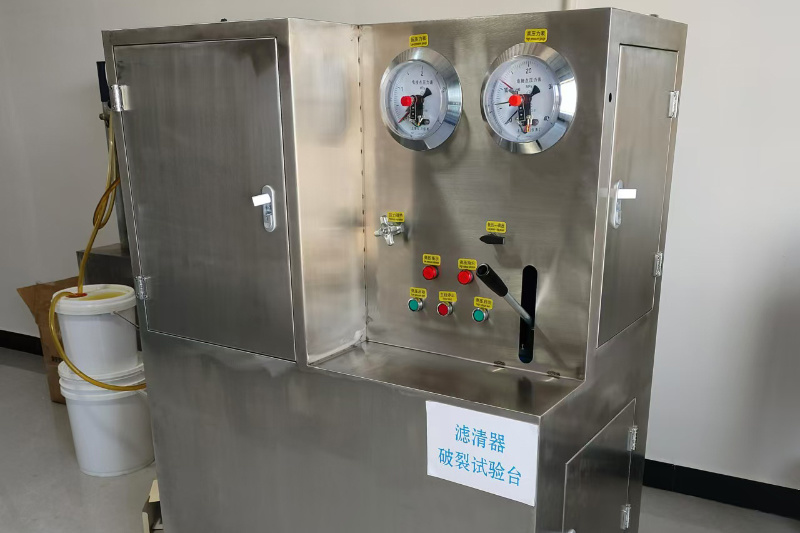
5.3 Advanced Testing Equipment
Modern testing equipment allows for more thorough evaluations of filter performance, ensuring that products meet or exceed industry standards.
6. Quality Control Measures in Production
Implementing stringent quality control measures is essential for ensuring the reliability of tractor oil filters.
6.1 Incoming Material Inspection
Before production begins, raw materials undergo rigorous testing to ensure they meet specified standards.
6.2 In-Process Quality Checks
During production, regular inspections and tests help identify any deviations from quality standards, allowing for immediate corrective actions.
6.3 Final Product Testing
Once the filters are assembled, they undergo final testing for performance, pressure tolerance, and leakage before they are packaged and shipped.
7. Challenges in the Oil Filter Manufacturing Sector
Despite advancements and best practices, the tractor oil filter manufacturing sector faces several challenges.
7.1 Competition and Market Saturation
The growing number of manufacturers can lead to market saturation, making it difficult for companies to differentiate their products.
7.2 Cost Pressures
Manufacturers constantly face pressure to reduce costs while maintaining quality, requiring innovative solutions to streamline operations.
7.3 Environmental Regulations
Adhering to environmental regulations requires manufacturers to invest in sustainable practices and technologies, which can initially increase costs but ultimately benefit the industry and the planet.
8. The Future of Oil Filters Manufacturing in China
As the demand for agricultural machinery continues to rise, China's tractor oil filter manufacturing industry is poised for growth. Emerging trends include:
8.1 Sustainable Production Practices
With increasing awareness of environmental issues, manufacturers are exploring eco-friendly production methods and materials.
8.2 Integration of AI Technologies
Artificial intelligence is expected to play a significant role in optimizing manufacturing processes, enhancing quality control, and predicting maintenance needs.
8.3 Focus on Customization
As end-users demand more specific solutions, manufacturers will need to focus on customization to meet diverse customer needs.
9. Conclusion
The manufacturing of tractor oil filters in China showcases a blend of tradition and modernity, with best practices driving quality and performance. As the industry evolves, embracing technological advancements and sustainable practices will be crucial for maintaining a competitive edge. By focusing on quality and innovation, manufacturers can ensure that they meet the demands of a rapidly changing market and contribute to the longevity of agricultural machinery.
10. Frequently Asked Questions
10.1 What are the main functions of a tractor oil filter?
The main functions of a tractor oil filter are to remove contaminants from the engine oil, prevent engine wear and tear, and ensure smooth operation of the engine.
10.2 How often should tractor oil filters be replaced?
Tractor oil filters should be replaced according to the manufacturer’s recommendations, typically every 200 to 500 hours of engine operation.
10.3 What types of oil filters are available for tractors?
There are several types of oil filters for tractors, including full-flow, bypass, and cartridge filters, each serving different needs and applications.
10.4 How can I ensure the quality of the oil filter I purchase?
To ensure quality, purchase filters from reputable manufacturers, check for certifications, and review customer feedback and product performance data.
10.5 What advancements are shaping the future of oil filter manufacturing?
Advancements such as automation, smart manufacturing technologies, and a focus on sustainability are shaping the future of oil filter manufacturing, enhancing efficiency and product quality.
You Can Also Learn More About Industry Trends



Address: Wangguanzhuang Automobile Industrial Park, Qinghe County, Xingtai City, Hebei Province, China


Main Products