Welcome to Hebei Takai Vehicle Parts Technology Co., Ltd.

Understanding High Pressure Common Rail Fuel Systems: The Heart of Modern Diesel Engines
Release Time:
Jan 09,2025
The high pressure common rail fuel system (HPCR) represents a significant advancement in diesel engine technology. Unlike traditional diesel systems that utilize individual fuel injectors connected directly to the fuel pump, the common rail system centralizes fuel delivery through a single high-pressure rail. This design enables multiple injectors to draw from a common reservoir, allowing for grea
One of the key benefits of the high pressure common rail fuel system is its ability to deliver fuel at extremely high pressures—often exceeding 30,000 psi. This high pressure allows for a finer atomization of fuel, leading to more efficient combustion. As a result, engines equipped with HPCR systems can achieve improved power output and fuel efficiency compared to their conventional counterparts. The precise control over fuel delivery also helps reduce noise and vibrations, contributing to a smoother driving experience.
Moreover, the HPCR system enhances emissions control. By optimizing the fuel-air mixture and enabling multiple injection cycles within a single combustion event, the system significantly lowers harmful emissions such as nitrogen oxides (NOx) and particulate matter. This is particularly crucial in today's automotive market, where stringent environmental regulations demand cleaner, more efficient engines.
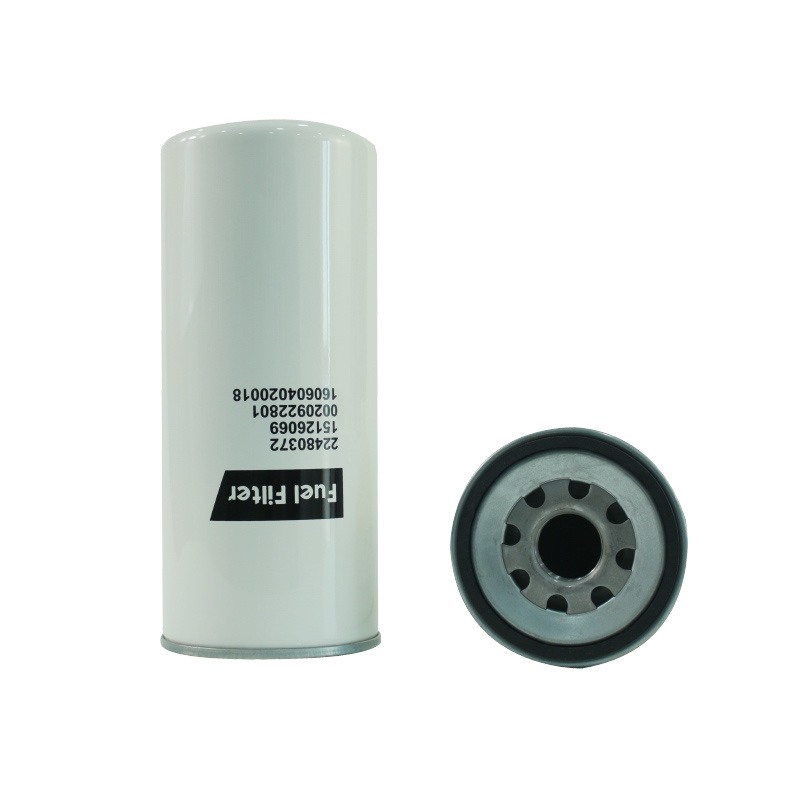
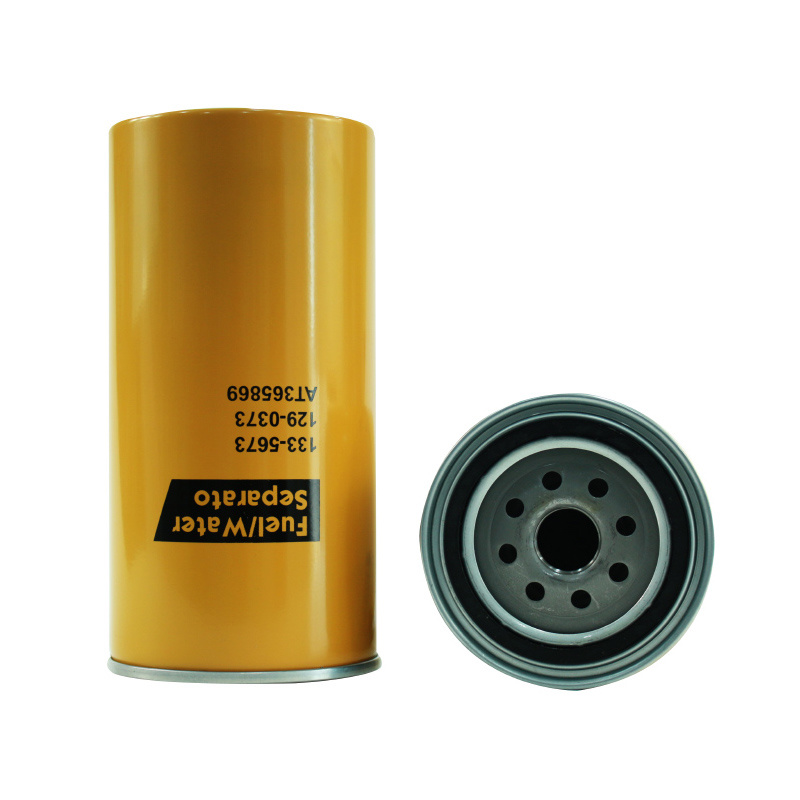
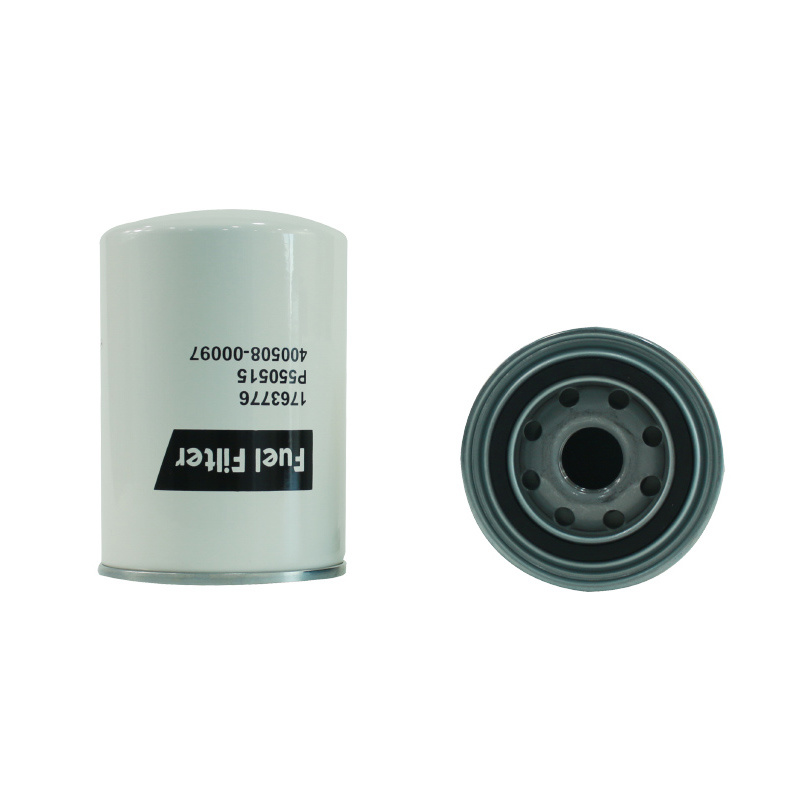
However, the efficiency and performance of a high pressure common rail fuel system depend heavily on the quality of the fuel being used. Contaminants such as dirt, debris, and water can severely impact engine performance and lead to costly repairs. This is where high-quality fuel filtration comes into play. Fuel filters are designed to capture these unwanted particulates before they reach the injectors, thereby protecting the engine and maintaining its optimal performance.
Regular maintenance and replacement of fuel filters are essential to ensure the longevity of the high pressure common rail fuel system. Neglecting this aspect can result in clogged filters, leading to reduced fuel flow and engine performance issues. Therefore, it's vital for vehicle owners to be proactive in monitoring their fuel systems and adhering to recommended service intervals.
In summary, the high pressure common rail fuel system is a remarkable innovation that has transformed the diesel engine landscape. Its ability to deliver precise and high-pressure fuel injections not only improves engine performance but also supports stringent emission standards. To maximize the benefits of this technology, maintaining clean fuel through effective filtration is paramount. Understanding the intricacies of the HPCR system can empower vehicle owners to make informed decisions regarding their automotive care, ultimately leading to a more efficient and reliable driving experience.
You Can Also Learn More About Industry Trends



Address: Wangguanzhuang Automobile Industrial Park, Qinghe County, Xingtai City, Hebei Province, China


Main Products