Welcome to Hebei Takai Vehicle Parts Technology Co., Ltd.

Understanding High Pressure Common Rail Fuel Systems: Their Importance and Functionality
Release Time:
Jan 23,2025
High pressure common rail fuel systems have revolutionized the way diesel engines operate, enhancing performance, efficiency, and emissions control. At the core of these systems is the common rail technology, which allows multiple injection events per cycle, optimizing fuel delivery and combustion. This innovation has become essential in meeting stringent environmental regulations while improving
The concept behind high pressure common rail fuel systems is relatively straightforward. The system comprises a fuel pump that pressurizes the diesel fuel to a high level, which is then stored in a common rail. This rail serves as a reservoir, ensuring that fuel is readily available for injection into the engine's cylinders. The system's high pressure enables precise fuel atomization, leading to more effective combustion and reduced emissions.
One of the critical advantages of these systems is their ability to control the timing and quantity of fuel injection with remarkable accuracy. This precision allows for multiple injection events during each engine cycle, which not only enhances engine performance but also minimizes noise and vibration. Such capabilities are particularly beneficial in applications requiring high torque and power, common in commercial vehicles and heavy machinery.
However, despite their advanced design and functionality, high pressure common rail fuel systems can be susceptible to issues if not properly maintained. One of the most common problems faced by these systems is related to fuel contamination. Impurities in the diesel fuel can lead to wear and tear on the fuel injectors and pump, resulting in decreased performance and potential engine damage. This highlights the importance of incorporating high-quality fuel filters in the fuel system.
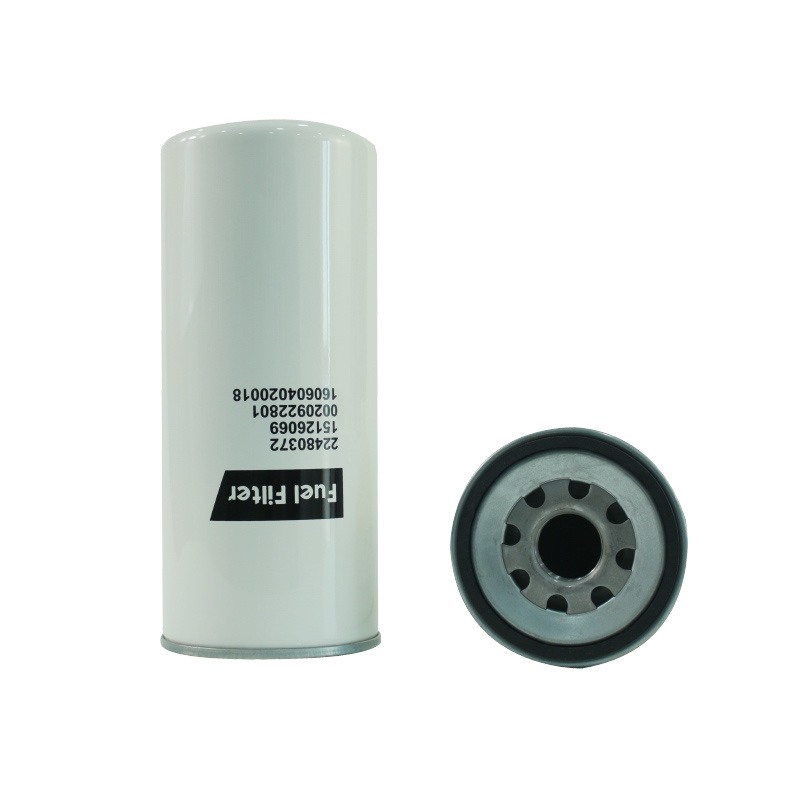
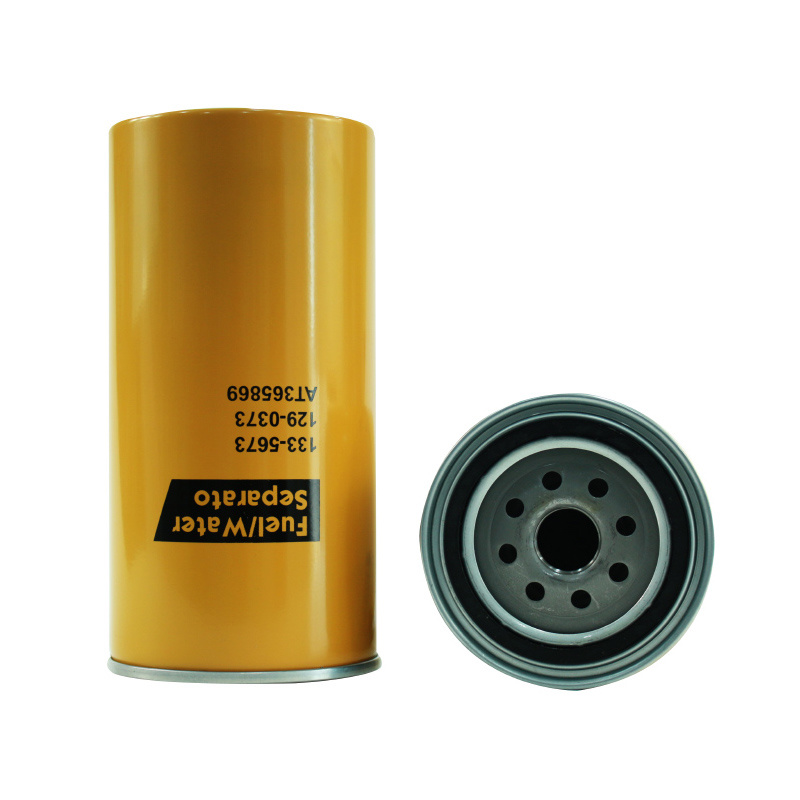
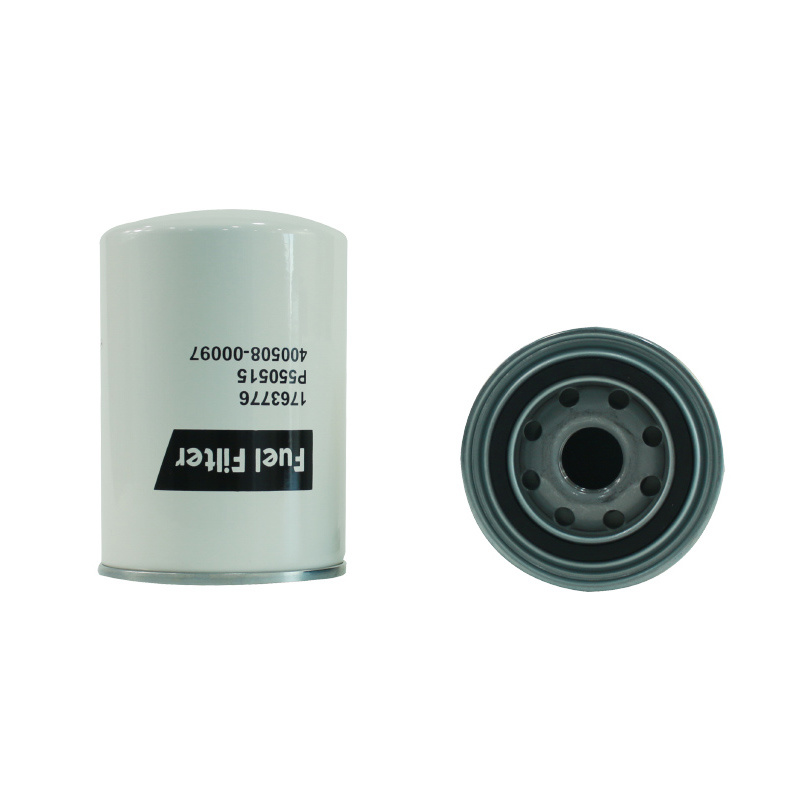
Fuel filters play a pivotal role in protecting the high pressure common rail fuel system. They trap particulates and contaminants present in the diesel fuel, preventing them from entering the system and potentially causing damage. Regular replacement of fuel filters is essential to ensure that the system operates efficiently and to prolong the lifespan of the engine.
Moreover, fuel filtration is not only about preventing contamination but also about maintaining optimal fuel flow. Clogged filters can restrict fuel delivery, leading to performance issues such as decreased power output and increased emissions. Therefore, understanding the relationship between high pressure common rail fuel systems and fuel filtration is crucial for anyone involved in the automotive industry.
In summary, high pressure common rail fuel systems are a significant advancement in diesel engine technology, offering enhanced performance and efficiency. Their effectiveness, however, heavily relies on the integrity of the fuel filtration process. By prioritizing proper filtration and maintenance, professionals can ensure that these systems continue to function at their best, ultimately benefiting both the environment and the end-user.
You Can Also Learn More About Industry Trends



Address: Wangguanzhuang Automobile Industrial Park, Qinghe County, Xingtai City, Hebei Province, China


Main Products