Welcome to Hebei Takai Vehicle Parts Technology Co., Ltd.

Essential Preventive Maintenance Tips for High Pressure Common Rail Fuel Systems
Release Time:
Feb 01,2025
Essential Preventive Maintenance Tips for High Pressure Common Rail Fuel Systems Table of Contents 1. Understanding High Pressure Common Rail Fuel Systems 2. Importance of Preventive Maintenance 3. Key Components of a High Pressure Common Rail System 3.1 Fuel Injectors 3.2 Fuel Pumps 3.3 Common Rail 3.4 Pressure Regulators 4. Routine Maintenance Practices 4.1 Regular Fuel Filte
Essential Preventive Maintenance Tips for High Pressure Common Rail Fuel Systems
Table of Contents
1. Understanding High Pressure Common Rail Fuel Systems
2. Importance of Preventive Maintenance
3. Key Components of a High Pressure Common Rail System
3.1 Fuel Injectors
3.2 Fuel Pumps
3.3 Common Rail
3.4 Pressure Regulators
4. Routine Maintenance Practices
4.1 Regular Fuel Filter Replacement
4.2 Inspecting Fuel Quality
4.3 Monitoring Fuel Pressure
5. Advanced Maintenance Techniques
5.1 Diagnostic Tools for Fuel Systems
5.2 Cleaning the Fuel System
5.3 Replacing Faulty Components
6. Signs of Fuel System Issues
6.1 Decreased Engine Performance
6.2 Increased Emissions
6.3 Unusual Noises
7. FAQs About High Pressure Common Rail Fuel Systems
8. Conclusion
1. Understanding High Pressure Common Rail Fuel Systems
High Pressure Common Rail (HPCR) fuel systems represent a significant advancement in diesel engine technology. These systems deliver fuel at high pressure directly to the common rail, ensuring optimal performance and improved fuel efficiency. The design allows for precise control of fuel injection timing and quantity, which enhances engine power output and minimizes emissions. Understanding how these systems function is crucial for effective preventive maintenance.
2. Importance of Preventive Maintenance
Preventive maintenance is vital for ensuring the longevity and efficiency of HPCR fuel systems. By regularly maintaining these systems, we can prevent costly repairs, minimize downtime, and enhance engine reliability. Preventive measures can also lead to improved fuel economy and lower emissions, making it an essential practice for fleet operators and vehicle owners alike.
3. Key Components of a High Pressure Common Rail System
To maintain an HPCR fuel system effectively, it is essential to understand its key components. Each component plays a critical role in the system's performance.
3.1 Fuel Injectors
Fuel injectors are responsible for atomizing the fuel and delivering it to the combustion chamber. They need to function correctly to ensure optimal fuel combustion. Clogged or malfunctioning injectors can lead to poor engine performance and increased emissions.
3.2 Fuel Pumps
The fuel pump draws fuel from the tank and pushes it through the system at high pressure. Regular inspection of the fuel pump is essential to prevent failures that can disrupt fuel delivery.
3.3 Common Rail
The common rail acts as a reservoir, maintaining the high-pressure fuel supply. Ensuring the integrity of the common rail is vital for preventing leaks and maintaining pressure.
3.4 Pressure Regulators
Pressure regulators help maintain the appropriate fuel pressure within the system. A malfunctioning pressure regulator can cause inconsistent fuel delivery, affecting engine performance.
4. Routine Maintenance Practices
Implementing routine maintenance practices is key to keeping HPCR fuel systems in optimal condition. Here are some essential tips.
4.1 Regular Fuel Filter Replacement
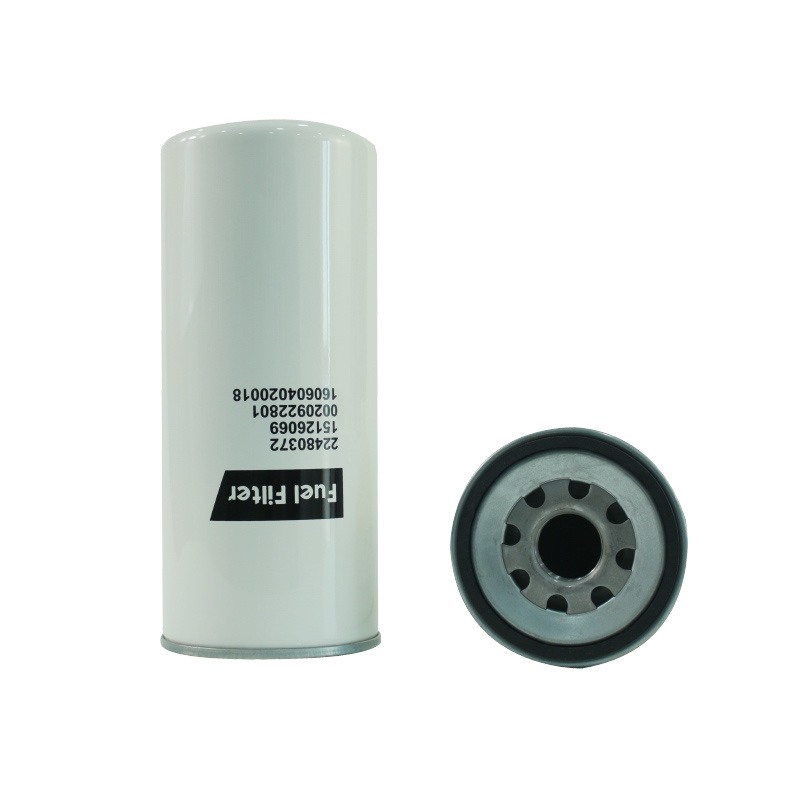
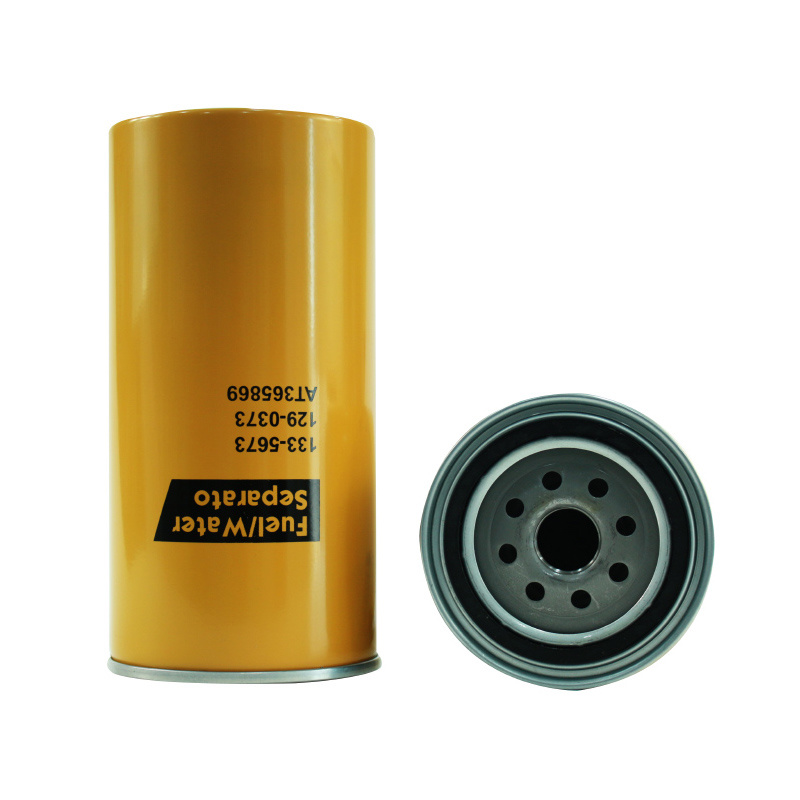
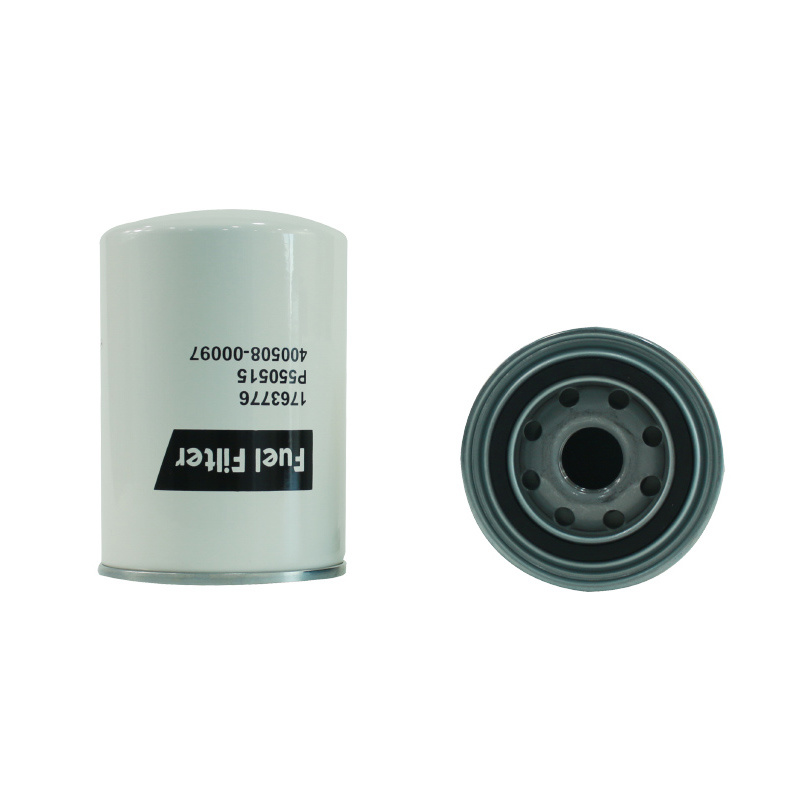
Fuel filters remove contaminants from the fuel before entering the engine. Clogged filters can restrict fuel flow and negatively affect engine performance. We recommend replacing fuel filters at regular intervals, according to the manufacturer’s specifications.
4.2 Inspecting Fuel Quality
The quality of the fuel used in an HPCR system significantly impacts performance. Regularly testing fuel for water content and particulate matter can prevent damage to fuel injectors and other components. Always use high-quality fuel from reputable sources to minimize risks.
4.3 Monitoring Fuel Pressure
Monitoring fuel pressure is crucial to ensure that the system operates within the recommended specifications. Use a fuel pressure gauge to check levels regularly and respond immediately to any deviations.
5. Advanced Maintenance Techniques
In addition to routine practices, advanced maintenance techniques can further enhance the performance of HPCR fuel systems.
5.1 Diagnostic Tools for Fuel Systems
Utilizing diagnostic tools, such as OBD-II scanners, can help identify issues within the fuel system early. These tools can provide error codes and real-time data, allowing for informed decision-making on necessary repairs.
5.2 Cleaning the Fuel System
Periodic cleaning of the fuel system can prevent the accumulation of deposits and contaminants. Specialized fuel system cleaners can be used to clean injectors and the common rail effectively.
5.3 Replacing Faulty Components
Identifying and replacing faulty components, such as injectors and pumps, is crucial for maintaining system integrity. We advise conducting a thorough inspection of all components and replacing any that show signs of wear or damage.
6. Signs of Fuel System Issues
Being proactive about recognizing signs of fuel system issues can save time and money in repairs. Here are common symptoms to look out for.
6.1 Decreased Engine Performance
A noticeable drop in engine power or acceleration can indicate fuel system problems. If your vehicle struggles to maintain speed or experiences sluggish performance, it may be time to inspect the fuel system.
6.2 Increased Emissions
An increase in exhaust emissions can be a sign of incomplete combustion due to fuel delivery issues. Regularly monitoring emissions can help detect problems early and maintain compliance with environmental regulations.
6.3 Unusual Noises
Listen for any unusual noises coming from the engine or fuel system. Knocking sounds or irregular engine behavior can signal issues with fuel injectors or pumps, warranting immediate investigation.
7. FAQs About High Pressure Common Rail Fuel Systems
Q1: How often should I replace my fuel filter in an HPCR system?
A: It is generally recommended to replace fuel filters every 10,000 to 15,000 miles, or according to the manufacturer's specifications.
Q2: What are the best practices for maintaining fuel quality?
A: Always use high-quality fuel, store fuel properly, and periodically inspect for water and contaminants.
Q3: How can I tell if my fuel injectors are clogged?
A: Signs of clogged injectors include poor engine performance, rough idling, and increased emissions.
Q4: What tools do I need for fuel system diagnostics?
A: A fuel pressure gauge, OBD-II scanner, and specialized cleaning solutions are essential tools for diagnostics and maintenance.
Q5: Is it necessary to clean the fuel system regularly?
A: Yes, periodic cleaning of the fuel system can help maintain optimal performance and prevent the buildup of deposits.
8. Conclusion
In conclusion, effective preventive maintenance of high pressure common rail fuel systems is crucial for ensuring optimal performance, reliability, and longevity. By understanding the system's components, implementing routine checks, and recognizing signs of potential issues, we can significantly enhance the operational efficiency of our vehicles. Emphasizing high-quality fuel and regular maintenance practices not only prolongs the life of the fuel system but also contributes to a cleaner environment by reducing emissions. Prioritizing these preventive measures will ultimately lead to a more efficient and cost-effective vehicle operation.
You Can Also Learn More About Industry Trends



Address: Wangguanzhuang Automobile Industrial Park, Qinghe County, Xingtai City, Hebei Province, China


Main Products