Welcome to Hebei Takai Vehicle Parts Technology Co., Ltd.

How to Identify Issues in Your High Pressure Common Rail Fuel System
Release Time:
Feb 15,2025
How to Identify Issues in Your High Pressure Common Rail Fuel System Table of Contents Introduction to High Pressure Common Rail Fuel Systems Understanding the Components of the Common Rail Fuel System Common Issues in High Pressure Common Rail Fuel Systems Symptoms of a Failing Fuel System Essential Diagnostic Tools for Fuel System Issues Step-by-Step Diagnosis of Fuel Sy
How to Identify Issues in Your High Pressure Common Rail Fuel System
Table of Contents
- Introduction to High Pressure Common Rail Fuel Systems
- Understanding the Components of the Common Rail Fuel System
- Common Issues in High Pressure Common Rail Fuel Systems
- Symptoms of a Failing Fuel System
- Essential Diagnostic Tools for Fuel System Issues
- Step-by-Step Diagnosis of Fuel System Problems
- Preventive Maintenance Tips for Fuel Systems
- When to Consult a Professional Mechanic
- Conclusion
- FAQs about High Pressure Common Rail Fuel Systems
Introduction to High Pressure Common Rail Fuel Systems
In modern diesel engines, the **high pressure common rail fuel system** has become a cornerstone of efficiency and performance. This sophisticated system enables precise fuel injection at high pressures, optimizing combustion and improving fuel economy. However, like any intricate system, it is not immune to problems. Identifying issues in your fuel system promptly can prevent costly repairs and ensure your vehicle operates at its best.
Understanding the Components of the Common Rail Fuel System
To effectively diagnose issues in your high pressure common rail fuel system, it is crucial to understand its components:
Key Components
- Fuel Tank: Stores diesel fuel and supplies it to the system.
- Fuel Pump: Draws fuel from the tank and pressurizes it.
- Common Rail: A shared fuel line that delivers fuel to the injectors at high pressure.
- Injectors: Atomize fuel for optimal combustion in the engine cylinders.
- Pressure Regulator: Maintains consistent fuel pressure within the rail.
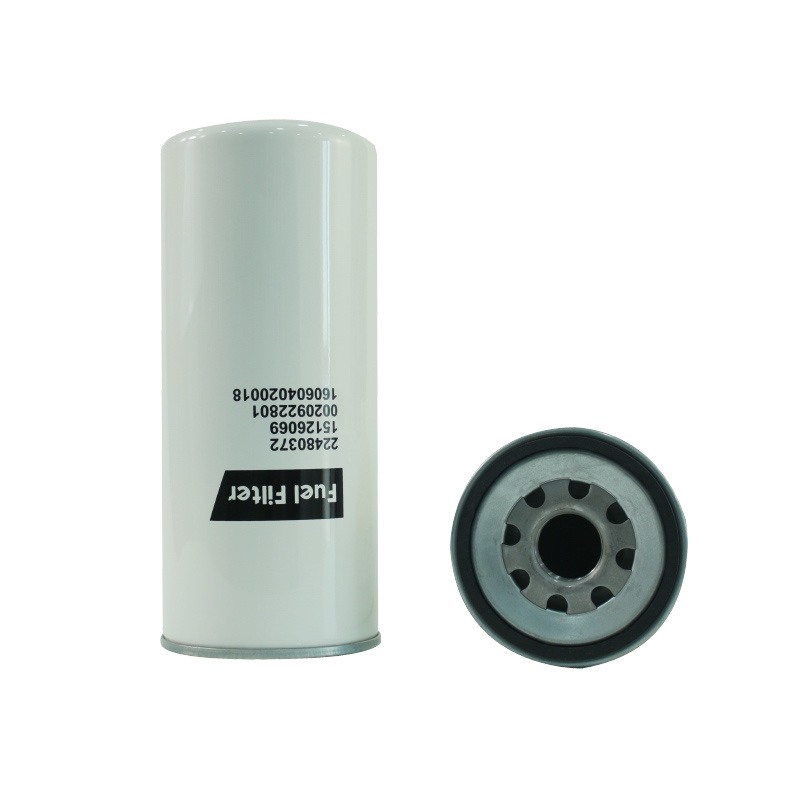
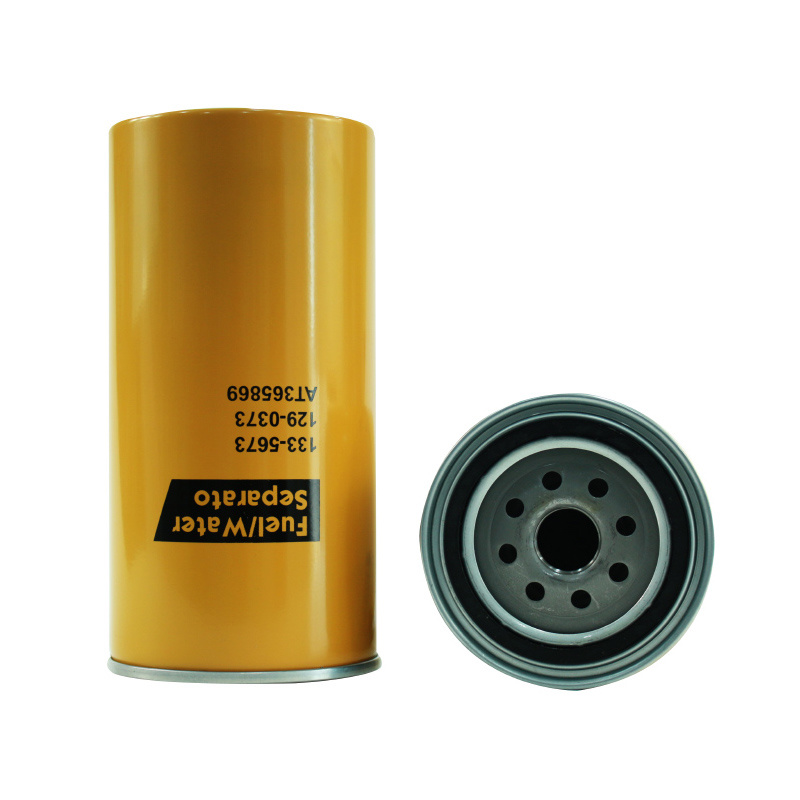
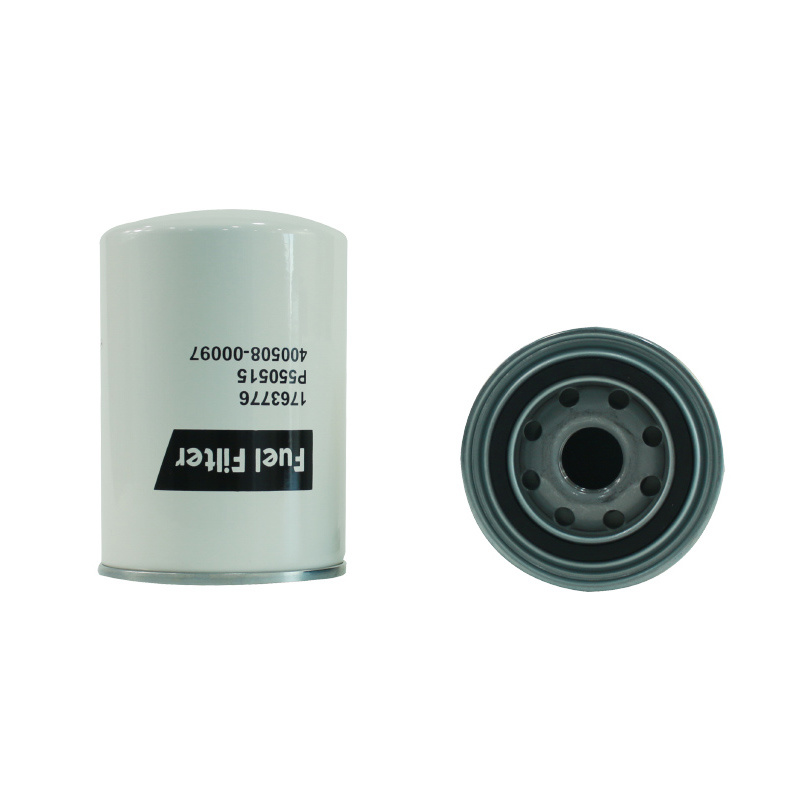
- Fuel Filter: Removes impurities from the fuel to protect the system.
Understanding how these components interact is essential for diagnosing issues effectively.
Common Issues in High Pressure Common Rail Fuel Systems
Several issues can arise within high pressure common rail fuel systems. Here are some of the most common problems:
1. Clogged Fuel Filters
Over time, fuel filters can become clogged with debris and contaminants, restricting fuel flow and pressure. Regular maintenance can help prevent this issue.
2. Injector Failure
Injectors can malfunction due to wear and tear or contamination, leading to improper fuel atomization. This can cause poor engine performance and increased emissions.
3. Fuel Pump Malfunctions
A failing fuel pump may not supply adequate pressure, leading to poor engine performance and starting issues.
4. Pressure Regulator Issues
A malfunctioning pressure regulator can cause fluctuations in fuel pressure, affecting the entire system's performance.
5. Air in the Fuel System
Air leaks can enter the system, causing erratic engine performance and misfiring.
Symptoms of a Failing Fuel System
Recognizing the symptoms of a failing high pressure common rail fuel system is crucial for timely intervention. Common symptoms include:
1. Poor Engine Performance
If your vehicle experiences a decrease in power, sluggish acceleration, or rough idling, it may indicate issues with the fuel system.
2. Increased Fuel Consumption
A sudden rise in fuel consumption without any change in driving habits could signal a malfunctioning fuel system.
3. Check Engine Light Activation
The check engine light may illuminate due to various issues, including fuel system problems. It's essential to get a diagnostic check if this occurs.
4. Engine Misfires
Frequent misfires may suggest that the injectors are not delivering the proper fuel mix to the engine.
5. Unusual Noises
Strange sounds from the fuel pump or injectors can indicate underlying issues needing attention.
Essential Diagnostic Tools for Fuel System Issues
To effectively diagnose problems in your high pressure common rail fuel system, consider utilizing the following tools:
1. OBD-II Scanner
This device reads diagnostic trouble codes (DTCs) from your vehicle's onboard computer, helping pinpoint issues related to fuel systems.
2. Fuel Pressure Gauge
A fuel pressure gauge allows you to measure the fuel pressure in the common rail, helping identify issues with the pump or regulator.
3. Multimeter
Use a multimeter to test the electrical components of the system, such as injectors and sensors.
4. Injector Cleaning Kit
If injectors are suspected of being clogged, a cleaning kit can help restore their function.
5. Fuel System Cleaner
Regular use of a fuel system cleaner can help prevent deposits from forming and maintain optimal performance.
Step-by-Step Diagnosis of Fuel System Problems
Diagnosing issues in your high pressure common rail fuel system involves a systematic approach:
Step 1: Visual Inspection
Begin with a thorough visual inspection of the fuel system components for any signs of leaks, damage, or wear.
Step 2: Scan for DTCs
Connect an OBD-II scanner to check for any diagnostic trouble codes that could provide clues about the issues.
Step 3: Check Fuel Pressure
Using a fuel pressure gauge, measure the pressure in the common rail. Compare this reading with the manufacturer's specifications.
Step 4: Test Injectors
Remove the injectors and inspect them for clogs or signs of wear. Use a multimeter to test their electrical functionality.
Step 5: Inspect the Fuel Filter
Check the fuel filter for clogs. Replace it if it appears dirty or has reached its service interval.
Step 6: Examine the Fuel Pump
Check the fuel pump’s operation, ensuring it is delivering the correct pressure and flow rate.
Preventive Maintenance Tips for Fuel Systems
Maintaining your high pressure common rail fuel system can significantly reduce the likelihood of issues:
1. Regularly Change Fuel Filters
Change your fuel filters at recommended intervals to prevent clogging and maintain optimal fuel flow.
2. Use High-Quality Fuel
Opt for high-quality diesel fuel to minimize deposits and contaminants in your system.
3. Conduct Regular Inspections
Perform routine checks of fuel system components to catch potential issues early.
4. Utilize Fuel Additives
Incorporate fuel system cleaners periodically to remove deposits and improve injector performance.
5. Keep the Fuel System Airtight
Ensure that there are no air leaks in the fuel lines, as even small leaks can cause significant issues.
When to Consult a Professional Mechanic
While many fuel system issues can be identified and resolved at home, certain situations warrant professional assistance:
1. Persistent Check Engine Light
If the check engine light remains illuminated despite troubleshooting, consult a mechanic for further diagnostics.
2. Major Performance Issues
If your vehicle experiences significant performance issues, such as loss of power, it may be best to seek professional help.
3. Inexperienced with Repairs
If you're not comfortable performing repairs or diagnostics, a qualified mechanic can ensure the job is done correctly.
Conclusion
Understanding how to identify issues in your high pressure common rail fuel system is vital for any vehicle owner. By recognizing the common problems, symptoms, and diagnostic procedures, you can keep your fuel system in optimal condition. Regular maintenance and timely intervention are key to ensuring your vehicle runs efficiently and reliably. Remember, when in doubt, don’t hesitate to consult a professional for a thorough examination of your fuel system.
FAQs about High Pressure Common Rail Fuel Systems
1. What is a high pressure common rail fuel system?
A high pressure common rail fuel system is a type of fuel injection system used in diesel engines that allows for precise control over fuel delivery and timing.
2. How often should I change my fuel filter?
It is recommended to change your fuel filter according to your vehicle's maintenance schedule, typically every 10,000 to 20,000 miles.
3. What are the signs of a failing fuel injector?
Symptoms may include poor engine performance, increased fuel consumption, and engine misfires.
4. Can I clean my fuel injectors myself?
Yes, you can use a fuel injector cleaning kit, but professional cleaning is recommended for thorough results.
5. What should I do if my fuel system is malfunctioning?
If you suspect issues with your fuel system, conduct a thorough diagnostic check and consult a mechanic if necessary.
By following this guide, you will be well-equipped to identify and address issues in your high pressure common rail fuel system, ensuring your vehicle operates at peak performance.
You Can Also Learn More About Industry Trends



Address: Wangguanzhuang Automobile Industrial Park, Qinghe County, Xingtai City, Hebei Province, China


Main Products