Welcome to Hebei Takai Vehicle Parts Technology Co., Ltd.

Understanding High Pressure Common Rail Fuel Systems: Key Insights for Automotive Professionals
Release Time:
Feb 22,2025
High pressure common rail fuel systems (HPCR) have revolutionized diesel engine technology, providing significant advancements in fuel efficiency and emissions control. These systems operate on the principle of maintaining a high-pressure fuel supply, which allows for precise control over fuel injection timing and quantity. This article aims to provide automotive professionals with a comprehensive
At the core of an HPCR system is a common rail that stores fuel at high pressure, enabling multiple injectors to draw fuel as needed. This allows for the injection of fuel directly into the combustion chamber at optimal times, improving atomization and promoting better combustion efficiency. The result is a smoother engine operation, increased power output, and reduced emissions compared to traditional diesel injection systems.
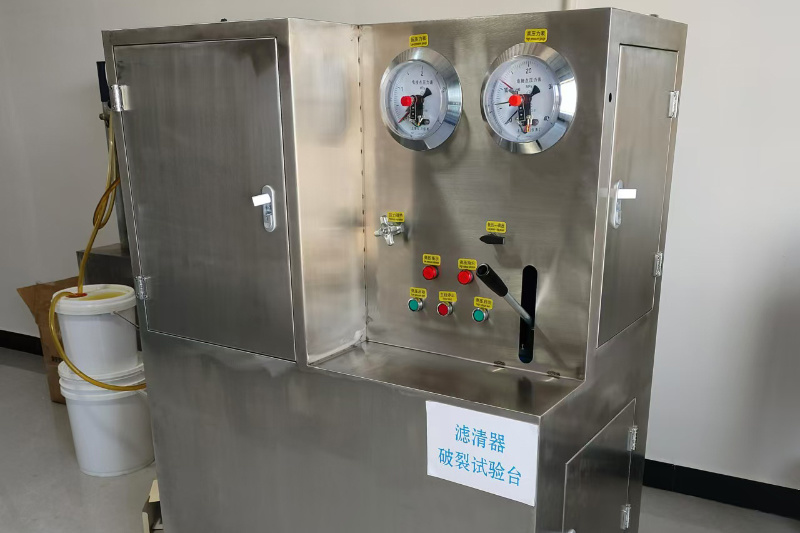
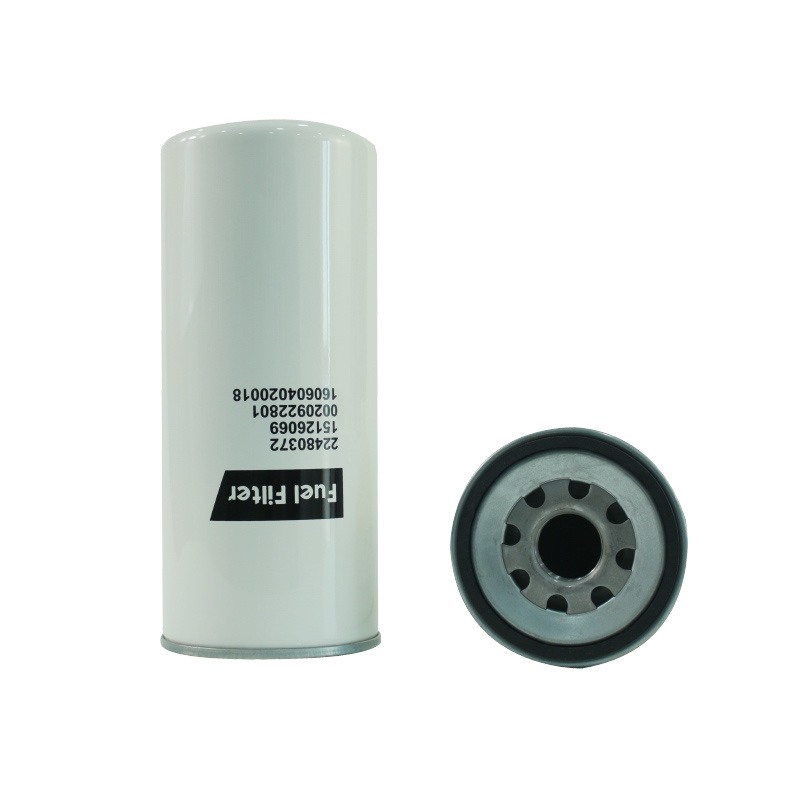
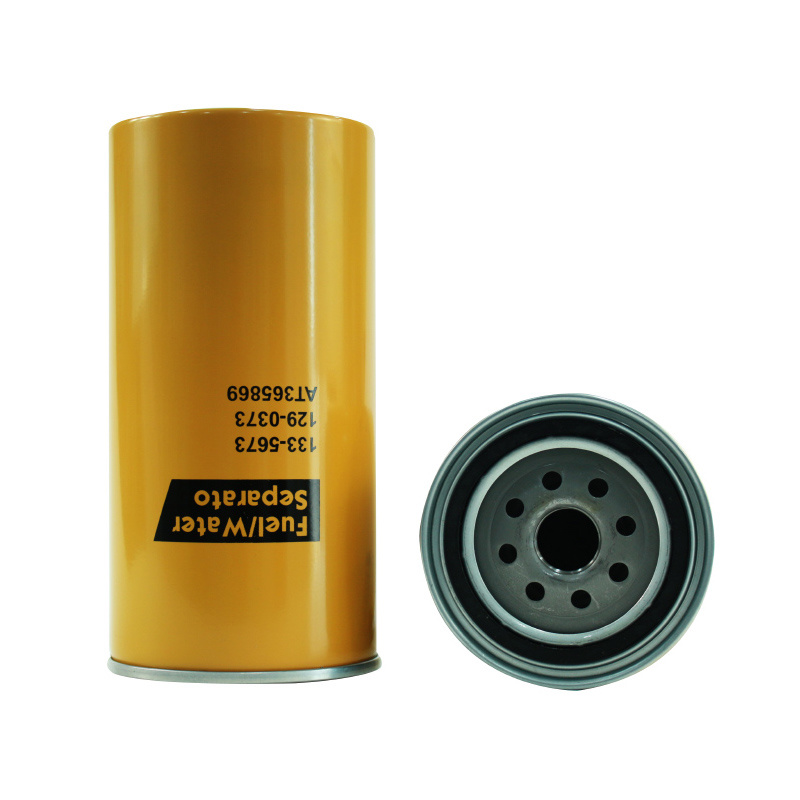
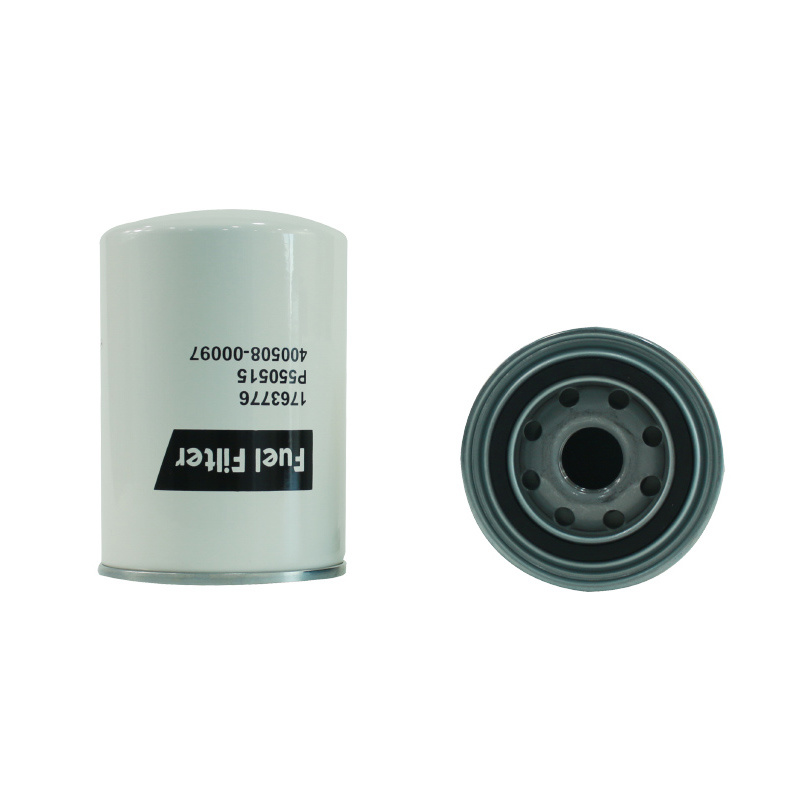
However, the efficiency and longevity of these high-pressure systems rely heavily on the quality of the fuel and the effectiveness of fuel filtration. Contaminants such as dirt, water, and particulates can severely impact the performance of the fuel injectors and the engine as a whole. Therefore, using a high-quality fuel filter is paramount in protecting the HPCR system. A reliable fuel filter will trap these harmful contaminants before they reach the injectors, ensuring that only clean fuel is delivered to the engine.
In addition to protecting the injectors, fuel filters also play a critical role in maintaining the overall health of the fuel system. Regular maintenance and timely replacement of fuel filters can prevent costly repairs and extend the lifespan of the fuel system components. Automotive professionals should always encourage clients to adhere to manufacturer guidelines regarding fuel filter maintenance.
Understanding the operation of high pressure common rail fuel systems also involves recognizing the role of other components, such as the high-pressure pump and the fuel rail sensors. These elements work in unison to ensure that the system operates efficiently and responds accurately to the engine’s demands. Any malfunction in these parts can lead to decreased performance and increased emissions, highlighting the necessity for regular diagnostic checks and maintenance routines.
In summary, high pressure common rail fuel systems represent a significant advancement in diesel engine technology, yet they require diligent care and maintenance to function optimally. For automotive professionals, comprehending the intricacies of these systems, particularly the critical role of fuel filters, is essential in providing effective service and advice to clients. By ensuring that vehicles are equipped with high-quality fuel filters and adhering to maintenance schedules, professionals can help clients achieve better fuel economy, enhanced performance, and reduced emissions, ultimately contributing to a more sustainable automotive future.
You Can Also Learn More About Industry Trends



Address: Wangguanzhuang Automobile Industrial Park, Qinghe County, Xingtai City, Hebei Province, China


Main Products