Welcome to Hebei Takai Vehicle Parts Technology Co., Ltd.

Understanding High Pressure Common Rail Fuel Systems: Key Insights for Automotive Professionals
Release Time:
Mar 10,2025
High pressure common rail fuel systems (HPCR) have revolutionized diesel engine technology, offering enhanced performance, efficiency, and lower emissions. This sophisticated fuel injection system works by storing fuel at high pressure in a common rail, which supplies fuel to each cylinder at the optimal moment, providing precise control over fuel delivery. One of the primary advantages of high pr
One of the primary advantages of high pressure common rail fuel systems is their ability to maintain a consistent pressure, allowing for multiple injection events per cycle. This not only improves the atomization of the fuel, leading to better combustion, but also enables finer control over the fuel-air mixture. Consequently, this results in improved engine efficiency, reduced noise, and lower emissions, which is increasingly important in meeting stringent environmental regulations.
In terms of functionality, high pressure common rail systems utilize a fuel pump to pressurize the fuel, which is then directed to the common rail. The rail acts as a reservoir, ensuring that each injector has access to fuel at the required pressure. The injectors are electronically controlled, allowing for precise timing and quantity of fuel injected into each cylinder. This flexibility is particularly beneficial during various engine loads and speeds, enhancing overall performance.
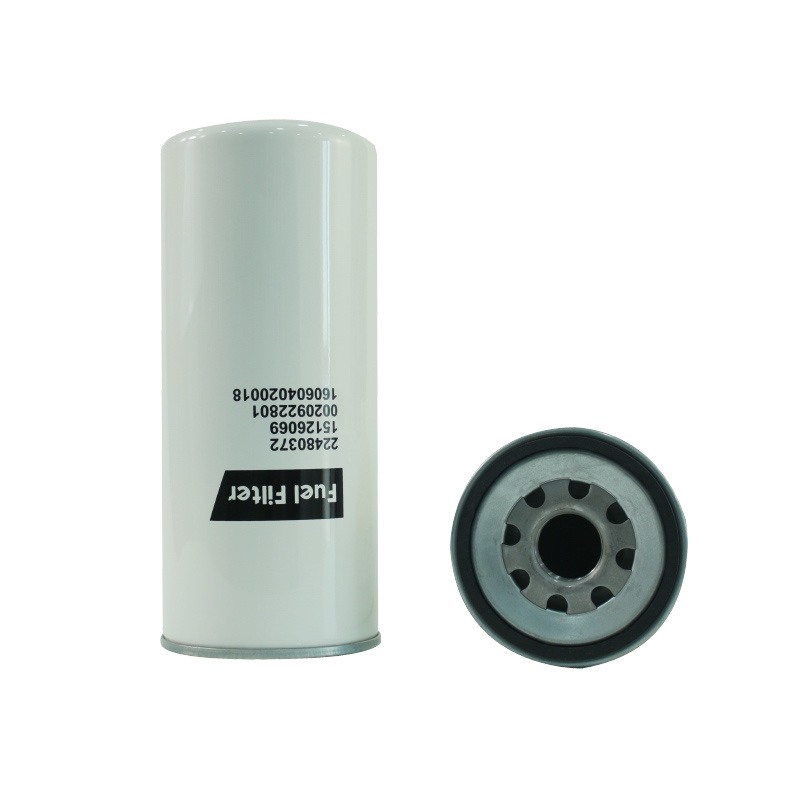
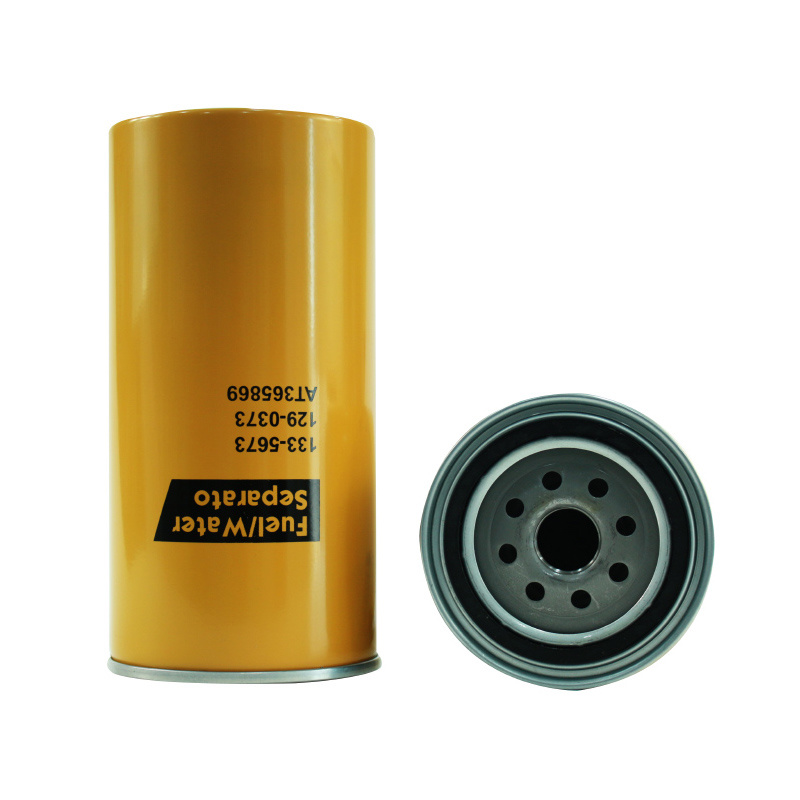
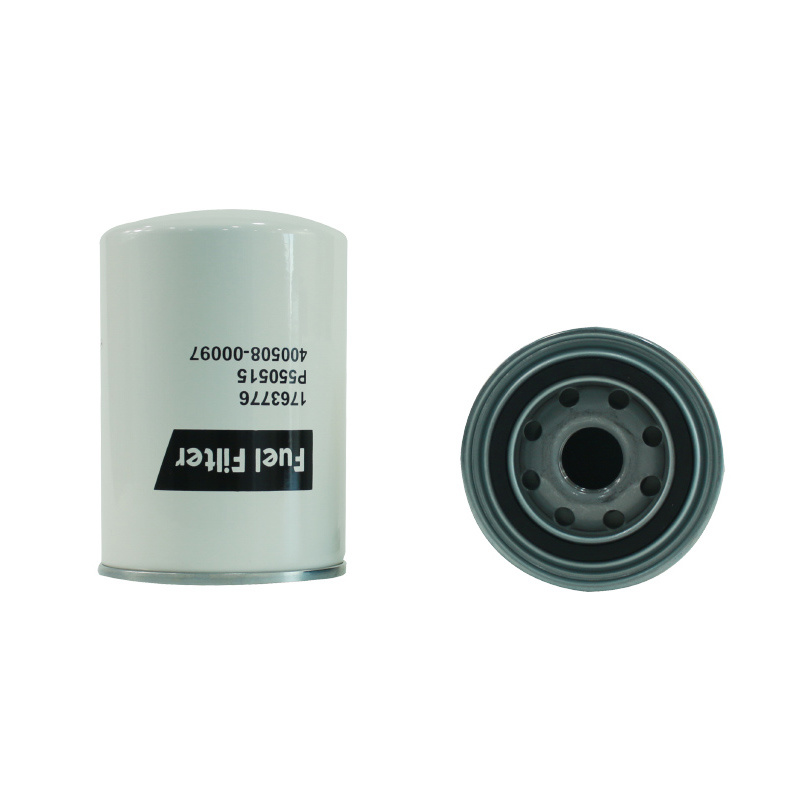
Maintenance is crucial for the longevity of high pressure common rail fuel systems. One of the most critical components is the fuel filter, which plays a pivotal role in preventing contaminants from entering the system. Regularly replacing the fuel filter is essential to avoid injector damage and maintain optimal system performance. Additionally, keeping an eye on fuel quality is vital, as poor-quality fuel can lead to deposits and clogging, impacting the efficiency of the entire system.
As automotive technology continues to evolve, understanding high pressure common rail fuel systems is imperative for professionals in the industry. Familiarity with the intricacies of these systems will not only enhance diagnostic and repair skills but also ensure that vehicles perform optimally, meeting the demands of modern driving conditions.
In summary, high pressure common rail fuel systems are integral to the performance and efficiency of modern diesel engines. By focusing on the functionality, advantages, and maintenance of these systems, automotive professionals can ensure they are well-equipped to address the challenges and opportunities presented by this technology. Staying informed about advancements in fuel injection systems will ultimately contribute to improved service quality and customer satisfaction in the automotive industry.
You Can Also Learn More About Industry Trends



Address: Wangguanzhuang Automobile Industrial Park, Qinghe County, Xingtai City, Hebei Province, China


Main Products