Welcome to Hebei Takai Vehicle Parts Technology Co., Ltd.

Understanding Tractor Oil Filters: Essential Insights for Industrial Professionals
Release Time:
Mar 18,2025
Tractor oil filters play a vital role in the overall performance and reliability of agricultural machinery. These filters are designed to remove contaminants and particles from the engine oil, thus protecting the engine's internal components from wear and damage. Oil filters ensure that the oil remains clean, which is essential for efficient lubrication and heat dissipation within the engine. One
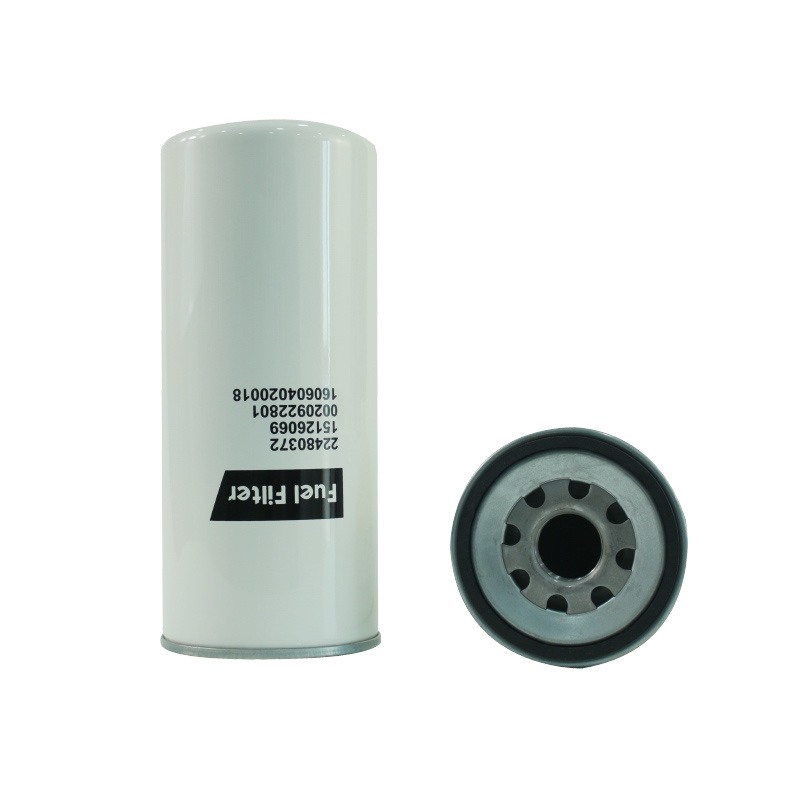
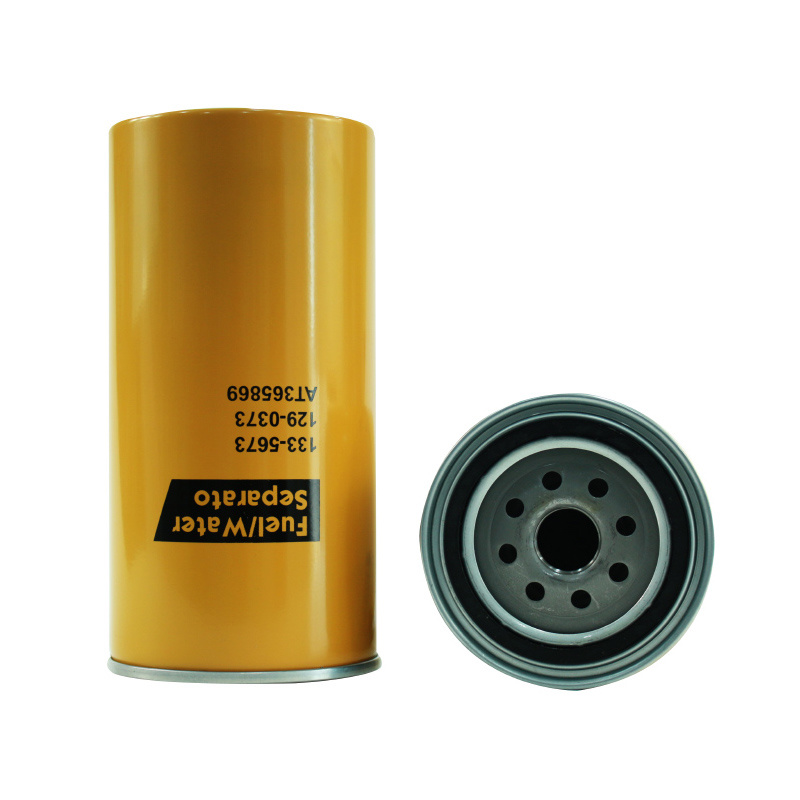
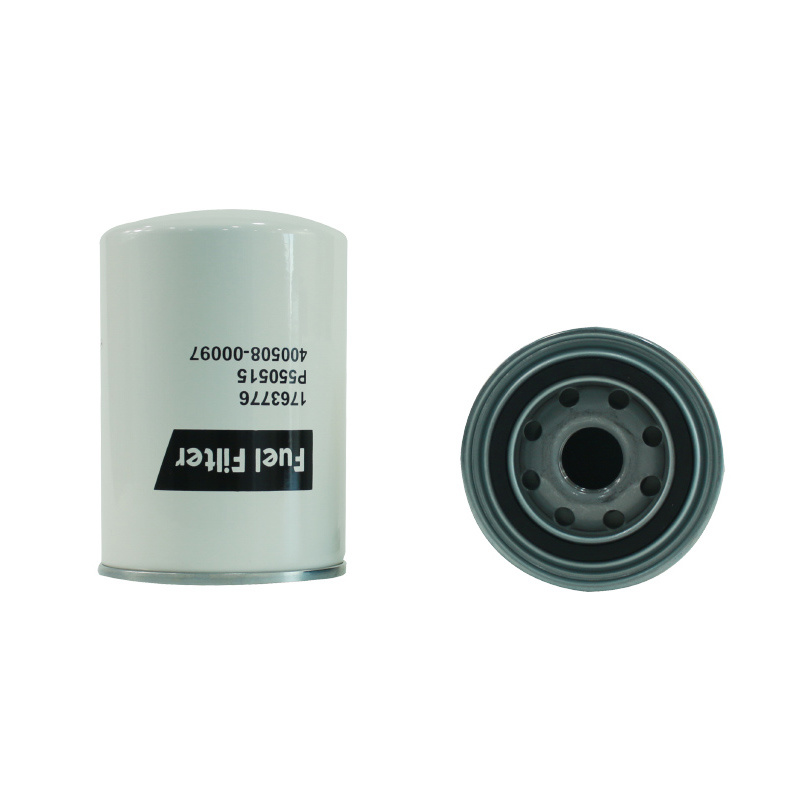
One key aspect of tractor oil filters is their design. Most tractor oil filters are constructed to handle high pressure and varying flow rates, making them suitable for the demanding environments in which tractors operate. There are generally two types of oil filters used in tractors: spin-on filters and cartridge filters. Spin-on filters are pre-assembled units that can be easily replaced, while cartridge filters require a more involved replacement process. Understanding the differences between these types can help professionals choose the right option for their specific machinery and maintenance needs.
Selecting the appropriate oil filter for a tractor involves several factors. First, it is essential to know the tractor's make and model, as this information can determine the filter's specifications. Additionally, professionals should consider the type of oil being used, as some filters are designed to work with synthetic oils, while others are best suited for conventional oils. Furthermore, factors such as the operating environment and the frequency of use can also influence the choice of oil filter.
Maintenance of tractor oil filters is another critical aspect that cannot be overlooked. Regularly checking and replacing oil filters as recommended in the tractor's maintenance schedule can significantly extend the life of the engine. Clogging or degradation of the filter can lead to reduced oil flow, leading to potential engine damage. Therefore, it's advisable to establish a routine inspection protocol to ensure the filters are in optimal condition.
Moreover, one should not underestimate the importance of proper disposal of used oil filters. Filters can contain contaminants that are harmful to the environment, and adhering to local regulations regarding disposal can have a significant impact on sustainability efforts in the industry.
In summary, tractor oil filters are an integral component of agricultural machinery that ensures efficiency and longevity. By understanding their function, selecting the right type, and adhering to maintenance best practices, industry professionals can enhance the performance of their equipment. Investing time in the proper care and selection of these filters can lead to substantial benefits in operational reliability and cost-effectiveness in the long run.
You Can Also Learn More About Industry Trends



Address: Wangguanzhuang Automobile Industrial Park, Qinghe County, Xingtai City, Hebei Province, China


Main Products