Welcome to Hebei Takai Vehicle Parts Technology Co., Ltd.

Essential Insights on Dump Truck Fuel Filtration for Enhanced Performance
Release Time:
Mar 22,2025
In the realm of industrial equipment and components, effective fuel filtration for dump trucks is a critical aspect that often goes unnoticed. Fuel filtration systems are designed to remove contaminants and impurities from diesel fuels, ensuring that the engines operate smoothly and efficiently. With the increasing complexity of modern dump truck engines, the need for advanced fuel filtration has
One of the primary roles of dump truck fuel filtration is to protect the engine from harmful particles that can cause wear and tear. These contaminants may include dirt, rust, water, and microbial growth, all of which can lead to reduced engine performance and potential failures. By implementing high-quality filtration systems, operators can significantly enhance the reliability and longevity of their vehicles.
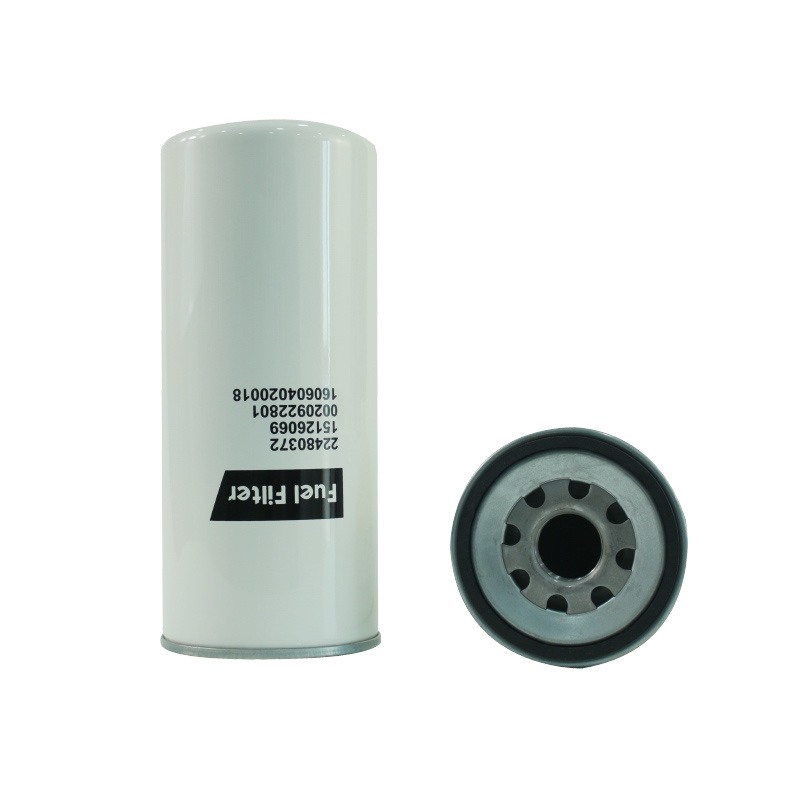
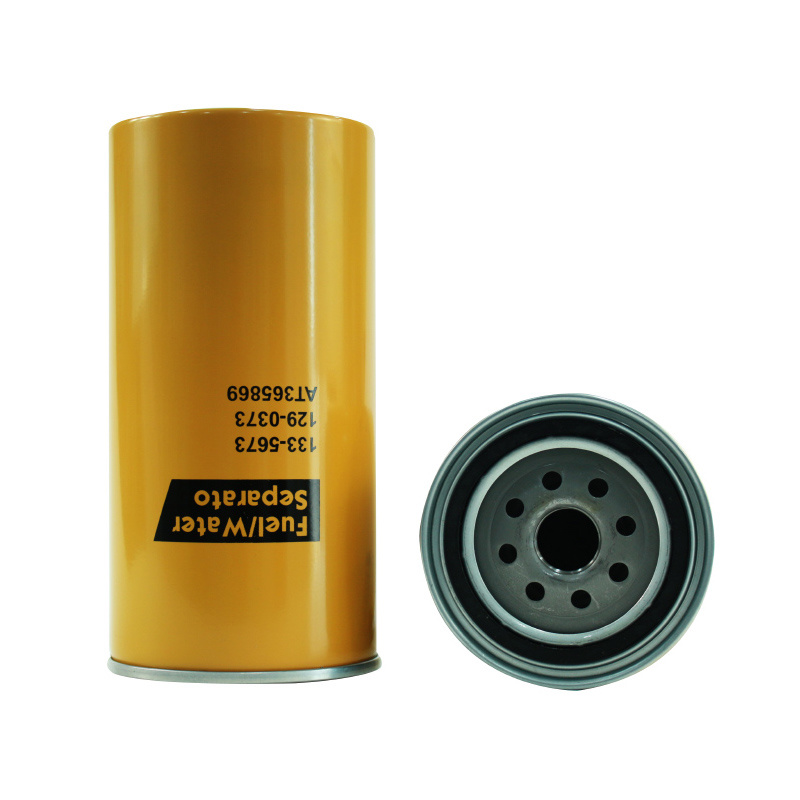
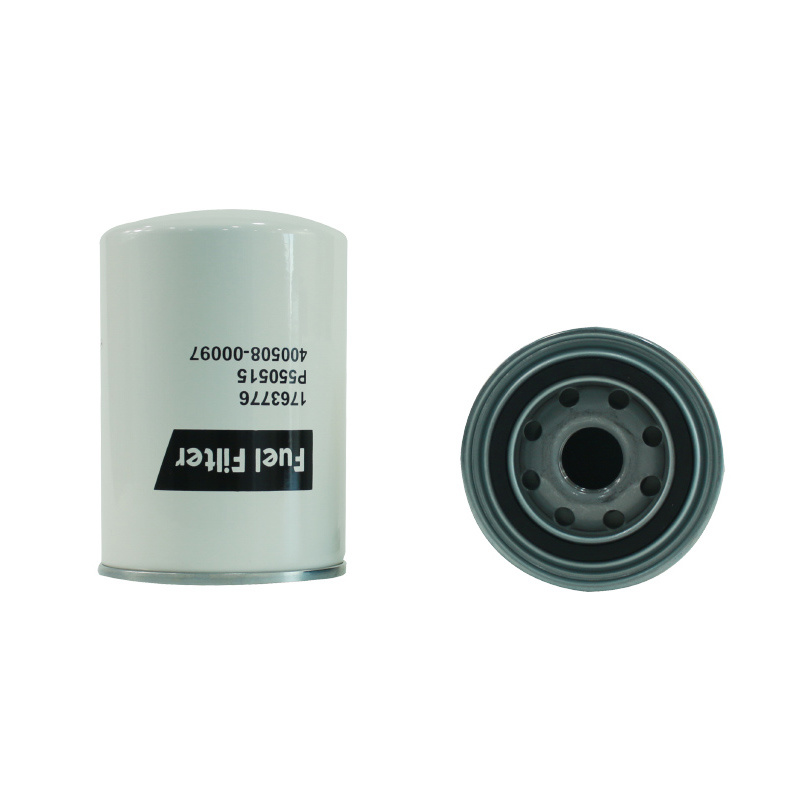
There are several types of fuel filters used in dump trucks, including primary and secondary filters, as well as coalescing filters that specifically target water removal. Primary filters serve as the first line of defense, capturing larger particles before the fuel reaches the engine. Secondary filters provide an additional layer of protection by filtering out finer contaminants. Coalescing filters are especially effective in separating water from fuel, which is crucial since water can lead to severe corrosion and operational issues.
Regular maintenance and timely replacement of fuel filters are paramount for optimal performance. Neglecting these aspects can result in clogged filters, leading to decreased fuel flow and engine power. In severe cases, it may even cause engine stalling or damage. Fleet managers should establish a scheduled maintenance program that includes inspections of fuel filters and replacement as needed.
In addition to standard filtration practices, advancements in technology have introduced options such as fuel conditioning systems. These systems not only filter fuel but also treat it to improve its quality, further enhancing engine performance. Implementing these state-of-the-art filtration solutions can yield significant benefits, including improved fuel economy and reduced emissions.
Moreover, the choice of fuel itself plays a vital role in the effectiveness of filtration systems. Operators are encouraged to use clean, high-quality diesel and to be aware of the storage conditions to minimize contamination risks. Educating personnel about proper fueling practices and the importance of fuel cleanliness can lead to enhanced operational efficiency and reduced downtime.
In conclusion, dump truck fuel filtration is an essential component in maintaining vehicle performance and reliability. By investing in high-quality filtration systems and adhering to a robust maintenance regime, operators can protect their engines, improve efficiency, and ultimately save on costs. Understanding the intricacies of fuel filtration will empower fleet managers to make informed decisions that benefit their operations in the long term.
You Can Also Learn More About Industry Trends



Address: Wangguanzhuang Automobile Industrial Park, Qinghe County, Xingtai City, Hebei Province, China


Main Products