Welcome to Hebei Takai Vehicle Parts Technology Co., Ltd.

Understanding High Pressure Common Rail Fuel Systems: Key Insights for Professionals
Release Time:
Mar 24,2025
High pressure common rail fuel systems (HPCR) represent a significant advancement in diesel engine technology, designed to optimize fuel delivery and enhance engine performance. These systems utilize a common rail that stores fuel at high pressure, which allows for precise injection of fuel into the combustion chamber at varying times and quantities, depending on engine requirements. One of the p
One of the primary advantages of HPCR systems is their ability to improve fuel atomization, which leads to more efficient combustion. By injecting fuel at high pressures—typically ranging from 1,600 to 2,500 bar—these systems create a finer mist of fuel that mixes better with air in the combustion chamber. This results in a more complete and cleaner burn, reducing harmful emissions and improving fuel economy.
In addition to enhanced combustion efficiency, HPCR systems facilitate multiple injection events per cycle. This capability allows for pilot injections, which help to reduce noise and improve engine responsiveness. The flexibility of multiple injection strategies also contributes to reduced emissions, as the system can be tuned for different operating conditions.
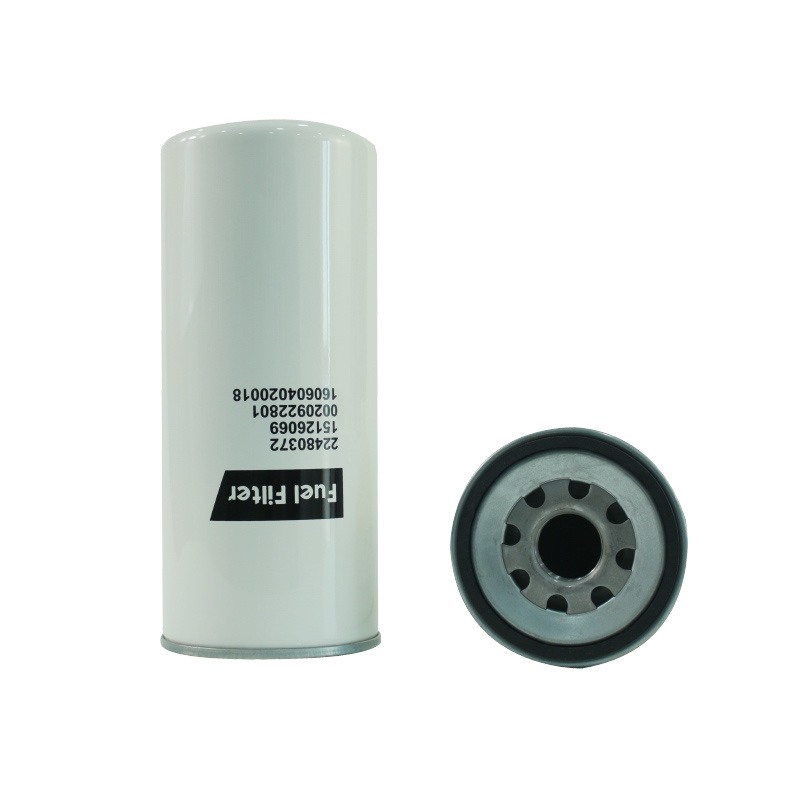
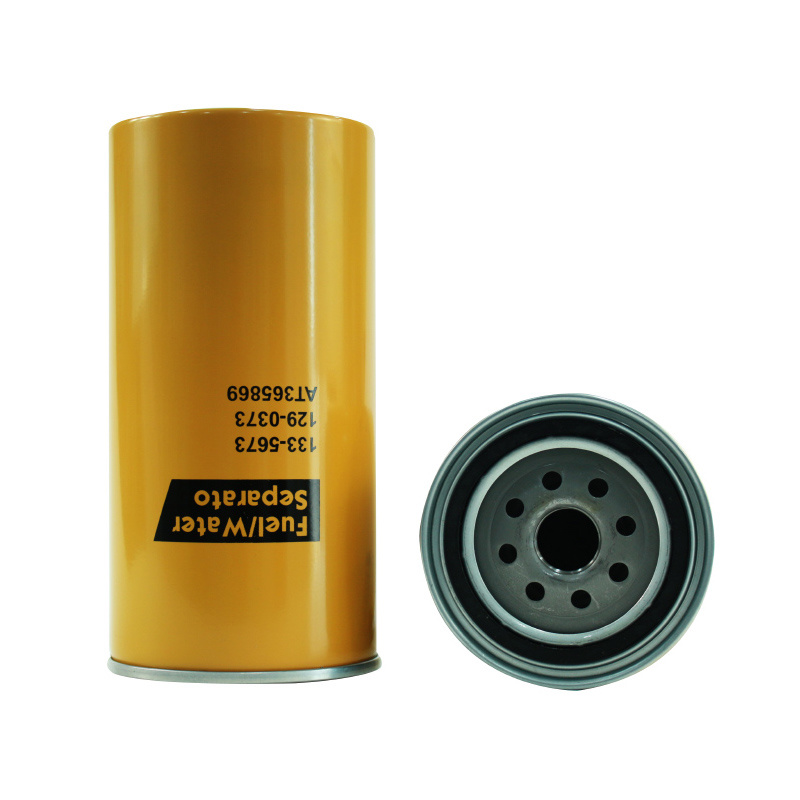
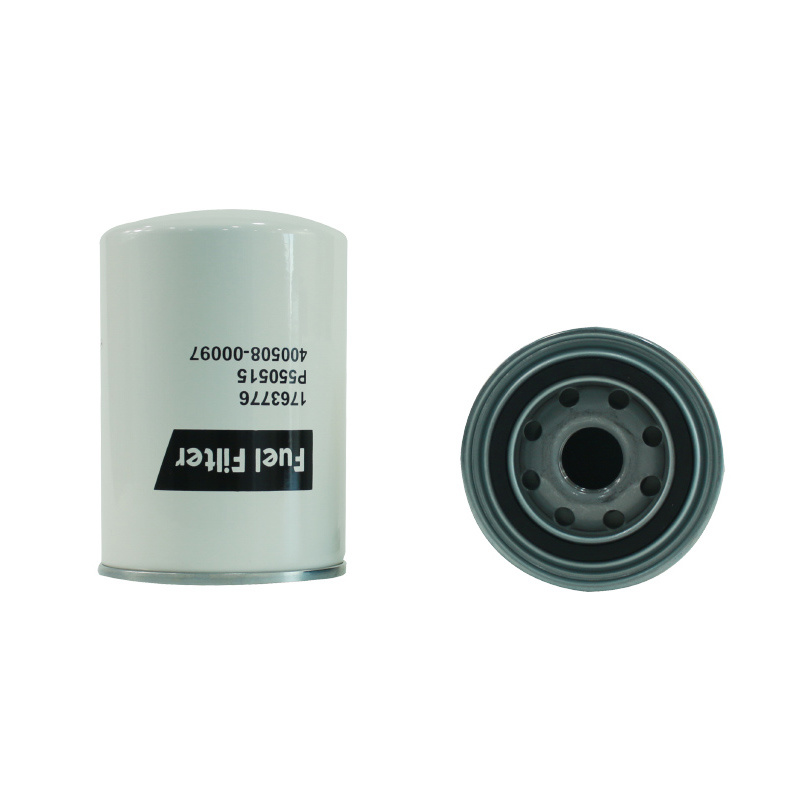
However, the complexity of high pressure common rail fuel systems poses unique challenges in terms of maintenance and repair. One critical component of these systems is the fuel filter, which plays a vital role in protecting the injectors and high-pressure pump from contaminants. A clogged or contaminated fuel filter can lead to reduced performance, increased wear on components, and even catastrophic system failure.
Automotive professionals must emphasize the importance of regular maintenance, including timely fuel filter replacements, to ensure the longevity and efficiency of HPCR systems. It's also crucial to educate customers about the quality of fuel being used, as poor-quality fuel can introduce harmful particulates that can disrupt the entire fuel system.
In conclusion, understanding high pressure common rail fuel systems is essential for automotive professionals, particularly those involved in fuel filtration. By comprehensively grasping the operation and maintenance of these systems, professionals can provide better service and advice to customers, ultimately enhancing vehicle performance and longevity. Investing time in knowledge about HPCR technology will not only benefit your expertise but also improve customer satisfaction in a competitive automotive market.
You Can Also Learn More About Industry Trends



Address: Wangguanzhuang Automobile Industrial Park, Qinghe County, Xingtai City, Hebei Province, China


Main Products