Welcome to Hebei Takai Vehicle Parts Technology Co., Ltd.

Essential Insights on Tractor Oil Filters: Ensuring Optimal Engine Performance
Release Time:
Apr 11,2025
Tractor oil filters play a critical role in the maintenance and longevity of agricultural machinery and other heavy-duty vehicles. These filters are designed to remove contaminants from engine oil, ensuring that the oil circulating within the engine remains clean and effective. By filtering out dirt, metal particles, and other impurities, tractor oil filters help to protect engine components, whic
One of the primary functions of tractor oil filters is to prevent sludge buildup. As engine oil circulates, it can accumulate debris and contaminants that could potentially harm engine parts. An effective oil filter traps these unwanted particles, allowing only clean oil to flow back into the engine. This filtration process not only enhances engine efficiency but also extends the intervals between oil changes, saving both time and resources for operators.
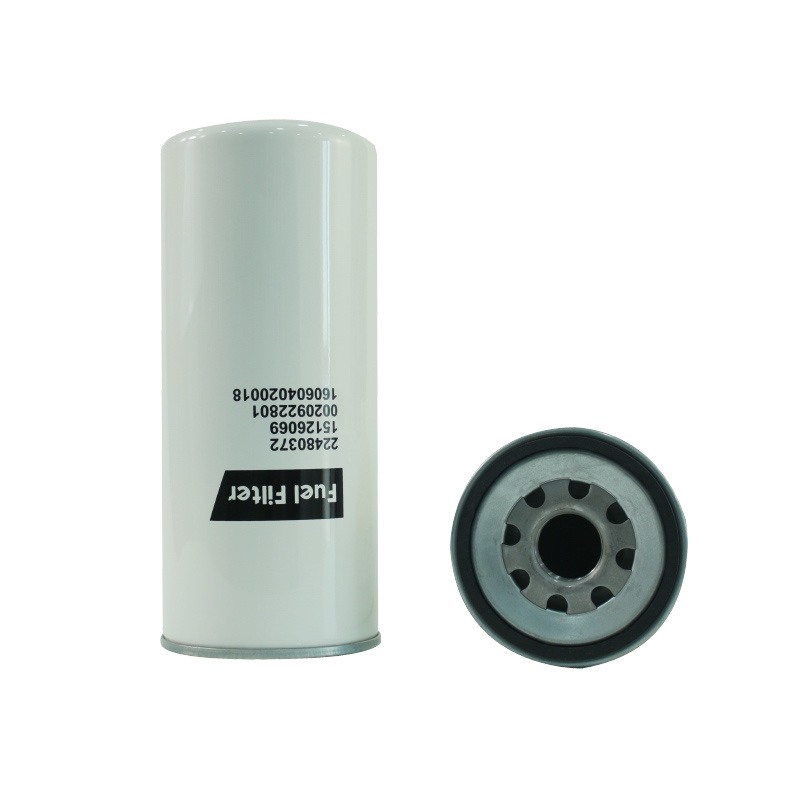
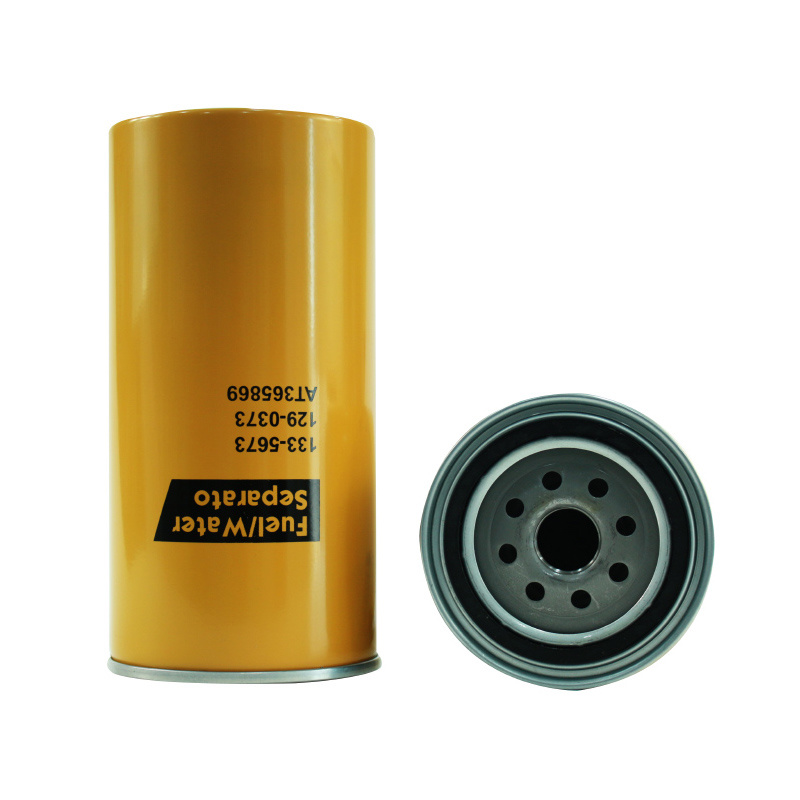
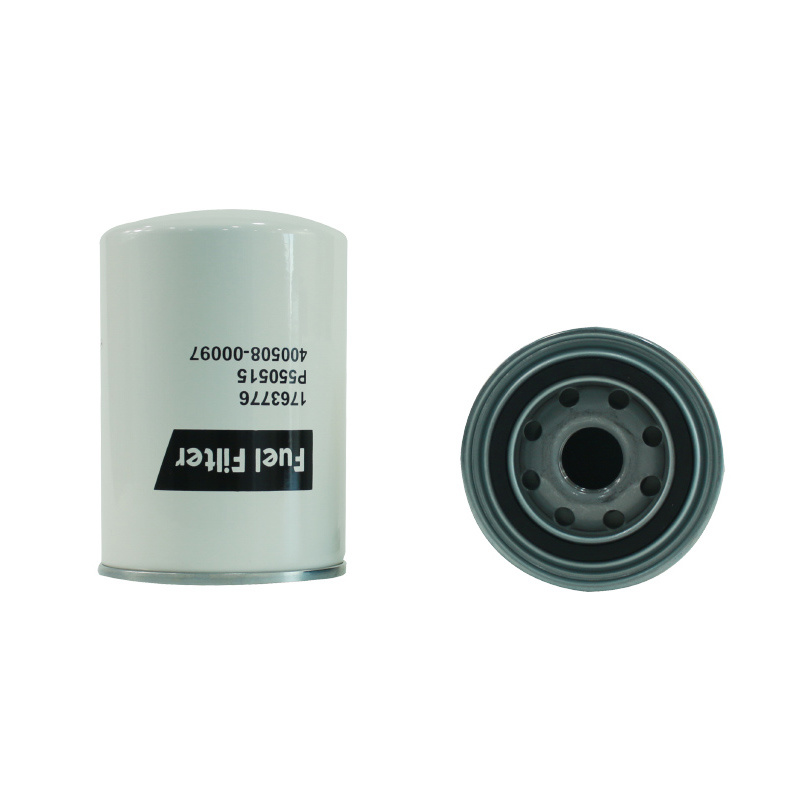
There are different types of tractor oil filters available, each designed for specific applications and performance needs. The most common types include full-flow filters, bypass filters, and spin-on filters. Full-flow filters are typically used in most tractors because they allow all the oil to pass through the filter before reaching the engine. Bypass filters, on the other hand, only filter a portion of the oil, which can be advantageous in certain conditions, such as extreme temperatures or when dealing with high levels of contaminants. Spin-on filters are popular for their ease of installation and maintenance, making them a convenient choice for many operators.
Maintaining tractor oil filters is essential for optimal engine performance. Regular inspections should be conducted to assess the condition of the filter; if it appears clogged or damaged, it should be replaced immediately. Additionally, adhering to the manufacturer's recommendations for oil change intervals is vital. Over time, even the best oil filters can become ineffective if they are not replaced according to a routine maintenance schedule.
In conclusion, tractor oil filters are an integral component of any agricultural or industrial machinery. By ensuring that engine oil remains clean and free from harmful contaminants, these filters help maintain engine performance and longevity. Operators who prioritize regular maintenance and timely filter replacements will likely see improved efficiency and reduced operational costs, contributing to more productive workdays and enhanced equipment reliability. Understanding the importance of tractor oil filters is crucial for anyone involved in the operation and maintenance of heavy machinery, making it a topic worth exploring in depth.
You Can Also Learn More About Industry Trends



Address: Wangguanzhuang Automobile Industrial Park, Qinghe County, Xingtai City, Hebei Province, China


Main Products