Welcome to Hebei Takai Vehicle Parts Technology Co., Ltd.

Understanding the Vital Role of Fuel Filters in Automotive Performance
Release Time:
Sep 22,2025
Fuel filters play a pivotal role in the performance and longevity of automotive engines. Their primary function is to trap dirt, debris, and contaminants that can enter the fuel system, thus protecting sensitive engine components. Contaminated fuel can lead to a variety of issues, including reduced engine efficiency, increased exhaust emissions, and even significant engine damage over time. Theref
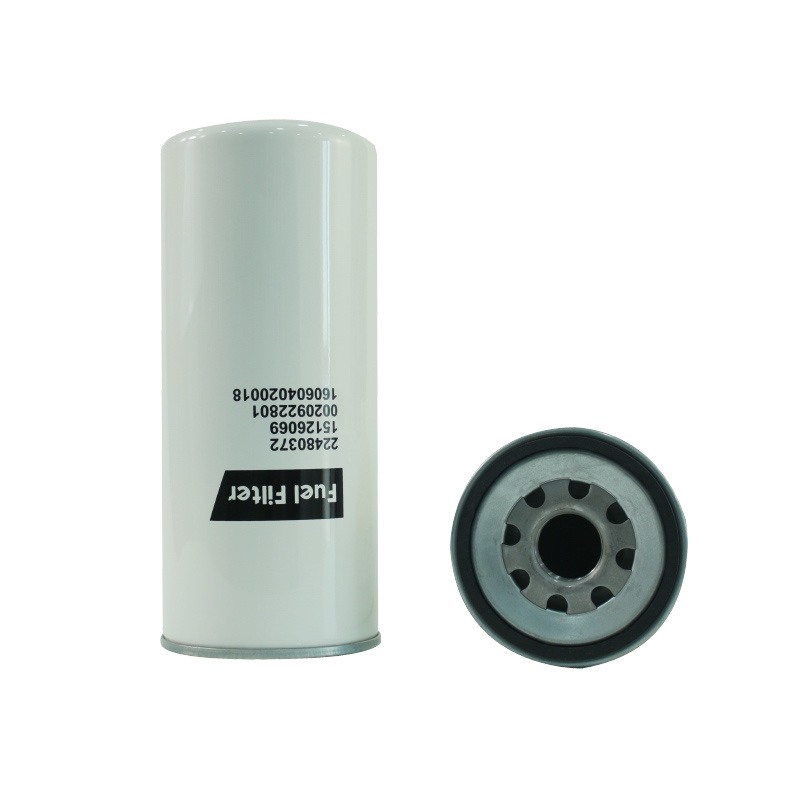
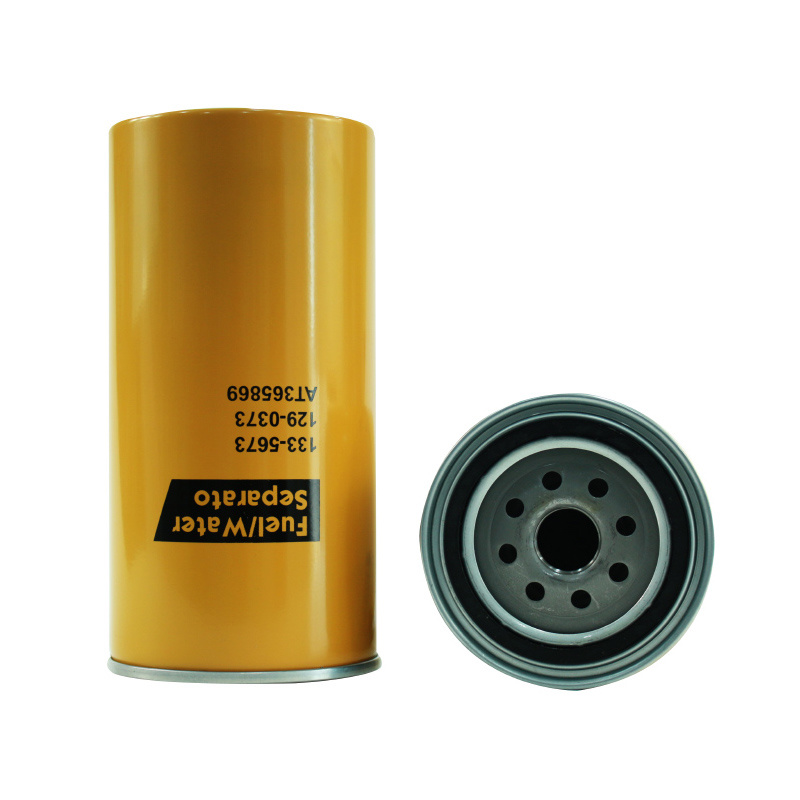
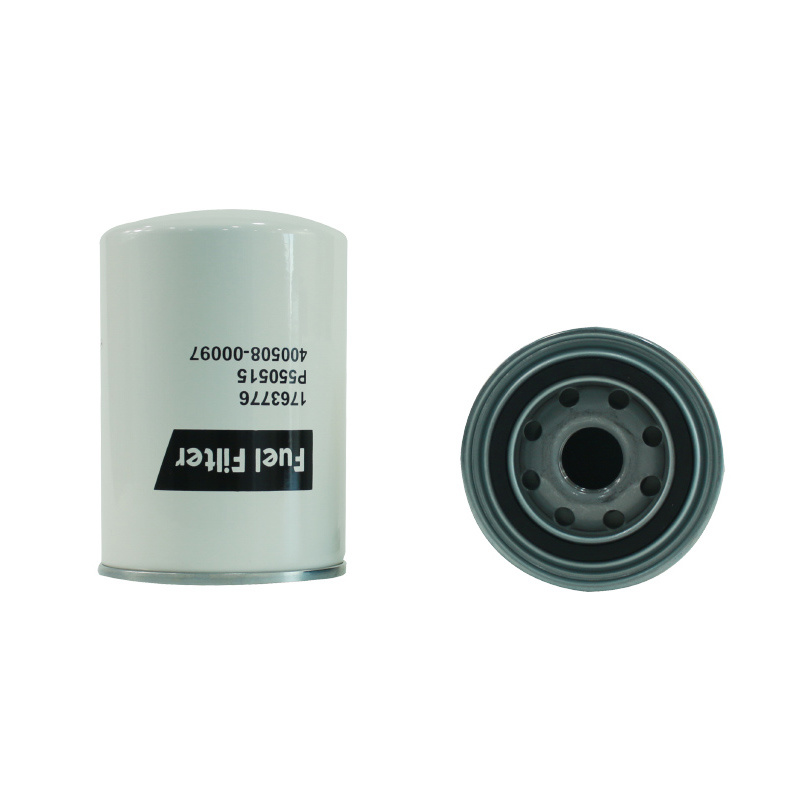
There are generally two types of fuel filters used in vehicles: inline fuel filters and cartridge-type filters. Inline filters are typically located along the fuel line, while cartridge filters are often found within the fuel tank or attached to the fuel pump. Both types serve the same fundamental purpose, but their design and location can influence how frequently they need to be replaced.
Regular maintenance is key to ensuring that fuel filters function effectively. Factors such as driving conditions, fuel quality, and vehicle type can all affect the lifespan of a fuel filter. For instance, vehicles that operate in dusty environments or those that frequently use lower-quality fuel may require more frequent filter replacements. As a general guideline, it is advisable to replace fuel filters every 20,000 to 30,000 miles, but consulting the vehicle’s owner manual for specific recommendations is always a good practice.
Signs that a fuel filter may need replacement include engine sputtering, difficulty starting the engine, and reduced acceleration. If a vehicle is experiencing these symptoms, it may be an indication that the fuel filter is clogged and is not allowing fuel to flow freely. Addressing these issues promptly can prevent further damage to the engine and ensure that the vehicle operates at its best.
In addition to regular replacements, vehicle owners can take proactive measures to prolong the life of their fuel filters. Using high-quality fuel and keeping the fuel system clean can help minimize the accumulation of contaminants. Additionally, periodic inspections of the fuel system, including the fuel pump and injectors, can identify potential issues before they escalate.
In conclusion, fuel filters are an integral part of automotive fuel systems, essential for maintaining engine performance and efficiency. By understanding the importance of these filters, recognizing the signs of potential issues, and adhering to a proper maintenance schedule, vehicle owners can ensure their engines run smoothly and efficiently for years to come. Regular attention to the fuel filter can make a significant difference in overall vehicle health, making it a crucial aspect of automotive care.
You Can Also Learn More About Industry Trends



Address: Wangguanzhuang Automobile Industrial Park, Qinghe County, Xingtai City, Hebei Province, China


Main Products