Welcome to Hebei Takai Vehicle Parts Technology Co., Ltd.

Understanding Light Truck Fuel Filters: Essential Components for Performance and Longevity
Release Time:
Nov 03,2025
Fuel filters play a pivotal role in the overall performance and longevity of light trucks. These filters are designed to remove impurities from the fuel before it reaches the engine. Contaminants such as dirt, rust, and other particulate matter can enter the fuel system and cause significant damage if not filtered out. By maintaining clean fuel, light truck fuel filters help to ensure optimal engi
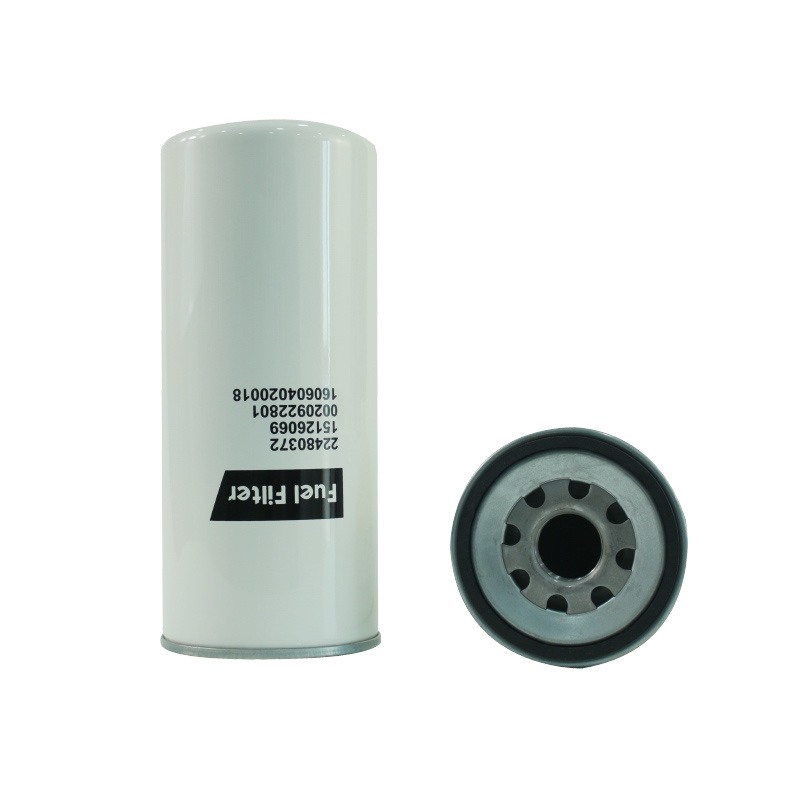
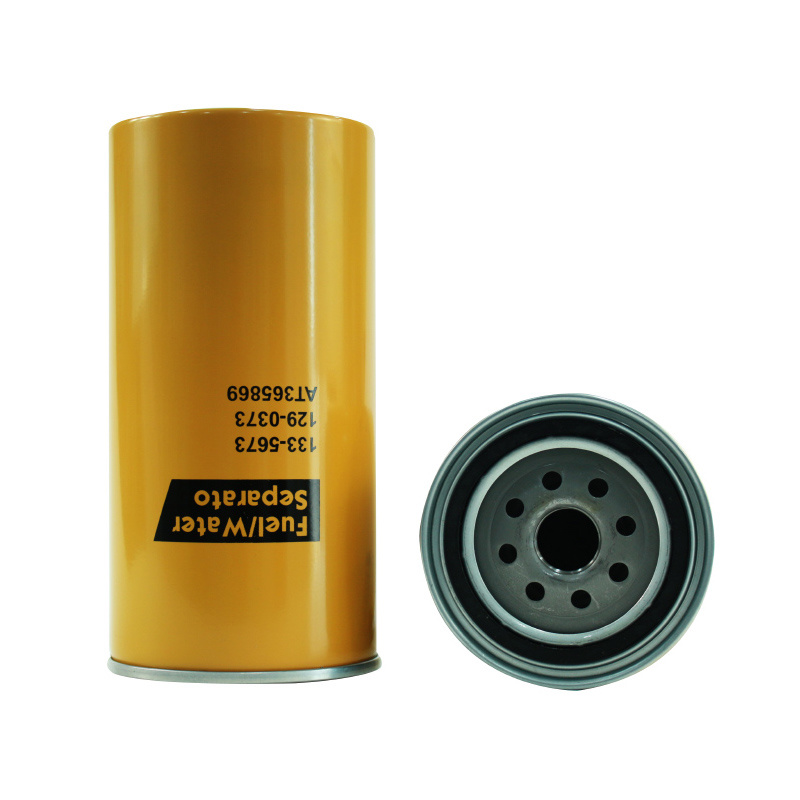
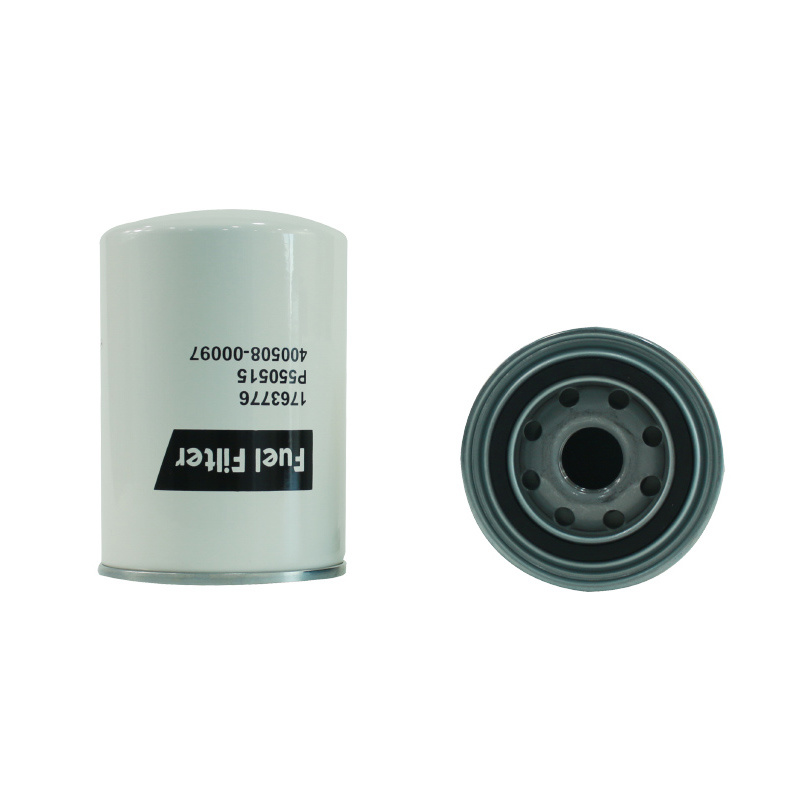
In light trucks, fuel filters typically operate by trapping particles and contaminants in a porous material. When fuel flows through this material, it is cleaned before entering the engine. It is essential to choose the right type of fuel filter that matches the specifications of your vehicle, as different models may require different filtration systems. In addition to the type of filter, the placement and design can also vary, affecting how effectively it performs its job.
Regular maintenance of light truck fuel filters is crucial for preventing engine problems. Over time, filters can become clogged, leading to decreased fuel flow and, consequently, poor engine performance. Signs that a fuel filter may need replacement include difficulty starting the engine, reduced acceleration, and stalling. It is generally recommended to inspect and replace fuel filters according to the manufacturer's guidelines, typically every 15,000 to 30,000 miles, although this can vary based on driving conditions.
When replacing light truck fuel filters, it is important to consider the installation process. Some filters are located within the fuel tank, while others are accessible under the vehicle. Proper removal techniques and installation can prevent leaks and ensure the new filter functions correctly. Additionally, using high-quality fuel can help extend the lifespan of the fuel filter and the fuel system as a whole.
In summary, light truck fuel filters are crucial for maintaining your vehicle's performance and efficiency. Regular monitoring and timely replacement can prevent potential issues down the road, ensuring a smoother driving experience. Understanding the role of fuel filters, their maintenance needs, and the signs of deterioration can help you make informed decisions for your light truck's upkeep. Always refer to your vehicle's manual for specific recommendations regarding fuel filter maintenance and replacement schedules.
You Can Also Learn More About Industry Trends



Address: Wangguanzhuang Automobile Industrial Park, Qinghe County, Xingtai City, Hebei Province, China


Main Products