Welcome to Hebei Takai Vehicle Parts Technology Co., Ltd.

The Essential Role of Fuel Filters in Automotive Performance
Release Time:
Nov 15,2025
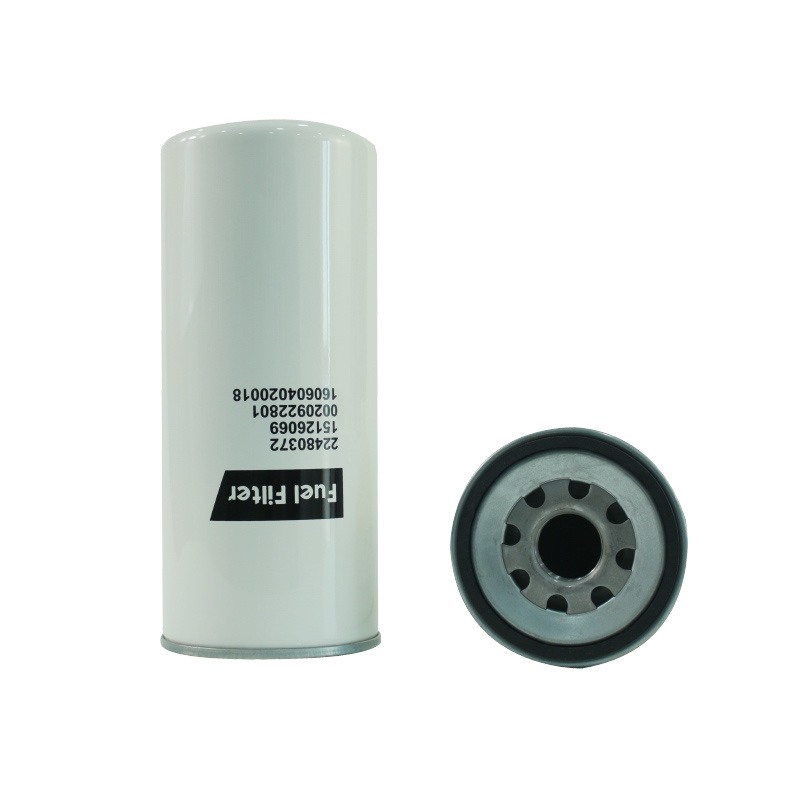
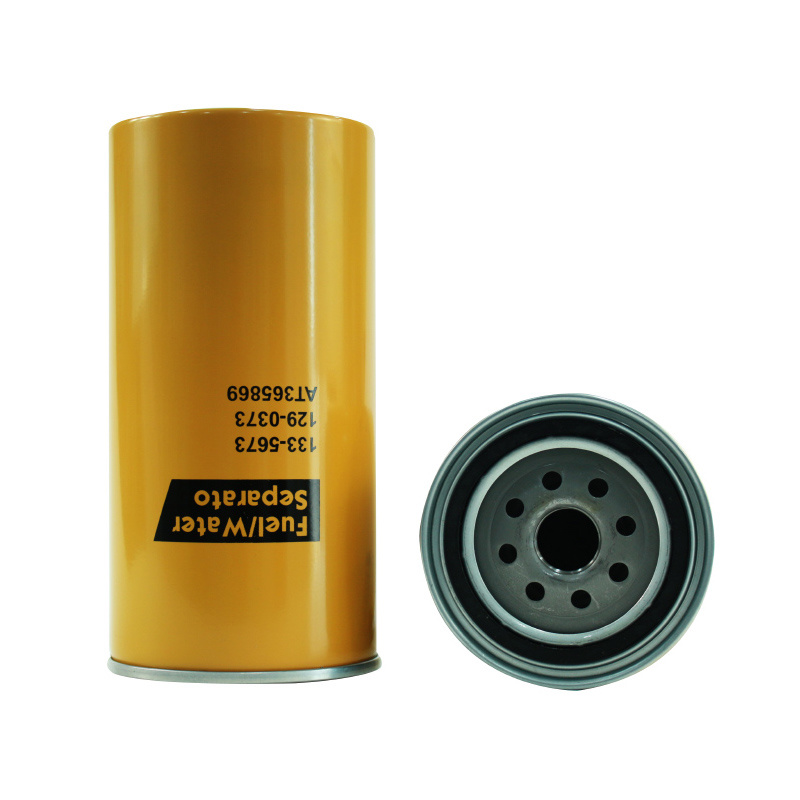
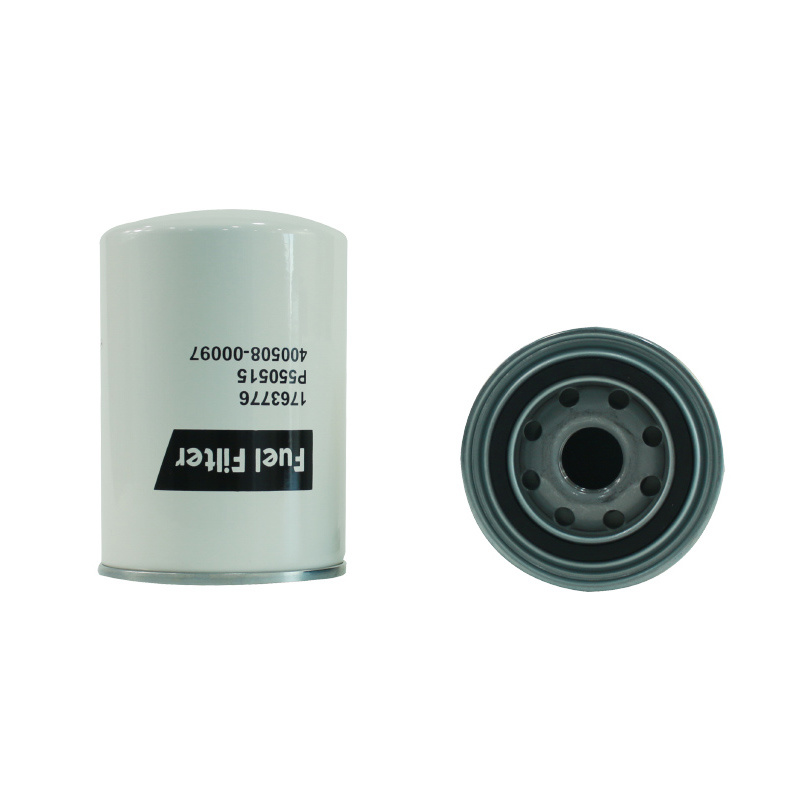
Fuel filters play a vital role in the performance of your vehicle by ensuring that the fuel system remains clean and efficient. Positioned between the fuel tank and the engine, a fuel filter's primary function is to remove impurities, dirt, and debris from the fuel before it reaches the engine. If these contaminants were allowed to pass through, they could cause significant damage to the engine co
One of the most significant benefits of a fuel filter is that it helps maintain the optimal fuel flow to the engine. A clean filter ensures that the engine receives the right amount of fuel and air mixture required for efficient combustion. This not only enhances the overall performance of the vehicle but also contributes to better fuel efficiency. When your fuel system operates smoothly, your vehicle can achieve better mileage, saving you money in the long run.
Additionally, a well-functioning fuel filter can help prevent engine knocking and misfiring. By filtering out harmful particles, the filter protects the fuel injectors and combustion chamber. If fuel injectors become clogged, they can lead to uneven fuel distribution and combustion issues, ultimately affecting the vehicle's performance. Regularly replacing the fuel filter is an essential aspect of vehicle maintenance that can help avoid these performance issues.
The longevity of a fuel filter depends on various factors, including the type of fuel used, driving conditions, and the vehicle's overall maintenance history. Typically, it's recommended to replace the fuel filter every 30,000 to 50,000 miles, although this can vary based on manufacturer guidelines and personal driving habits. Signs that your fuel filter may need replacement include difficulty starting the engine, sluggish acceleration, or a decrease in fuel efficiency.
To ensure your vehicle remains in optimal condition, it’s essential to incorporate fuel filter maintenance into your regular routine. Consult your vehicle’s owner manual for specific recommendations regarding filter replacement intervals. By prioritizing the upkeep of your fuel filter, you can improve your vehicle's reliability, performance, and fuel economy.
In conclusion, understanding the importance of fuel filters is essential for any vehicle owner. They play a critical role in maintaining the integrity of your fuel system, protecting your engine from harmful contaminants, and ensuring optimal performance. Regular maintenance and timely replacement of the fuel filter will not only enhance your vehicle’s efficiency but also extend its lifespan.
You Can Also Learn More About Industry Trends



Address: Wangguanzhuang Automobile Industrial Park, Qinghe County, Xingtai City, Hebei Province, China


Main Products