Welcome to Hebei Takai Vehicle Parts Technology Co., Ltd.

Understanding Hydraulic Oil Filters: Essential Components for Optimal Performance
Release Time:
Dec 09,2025
Hydraulic systems are integral to a wide range of industrial applications, from manufacturing to construction. At the heart of these systems lies hydraulic oil, which serves as both a lubricant and a medium for power transmission. However, the presence of contaminants such as dirt, metal shavings, and moisture can significantly impair the performance of hydraulic fluids. This is where hydraulic oi
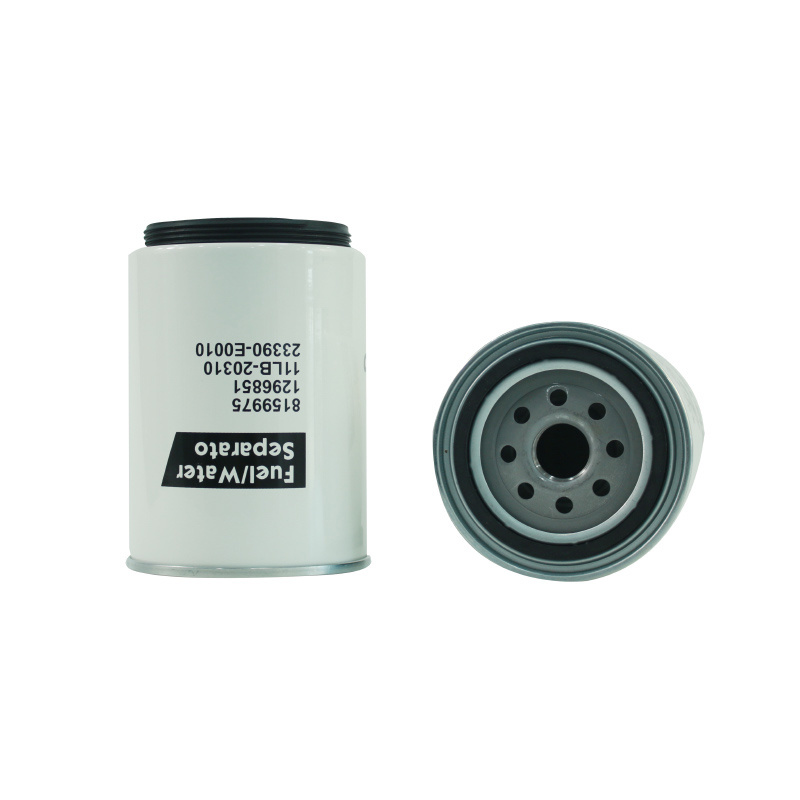
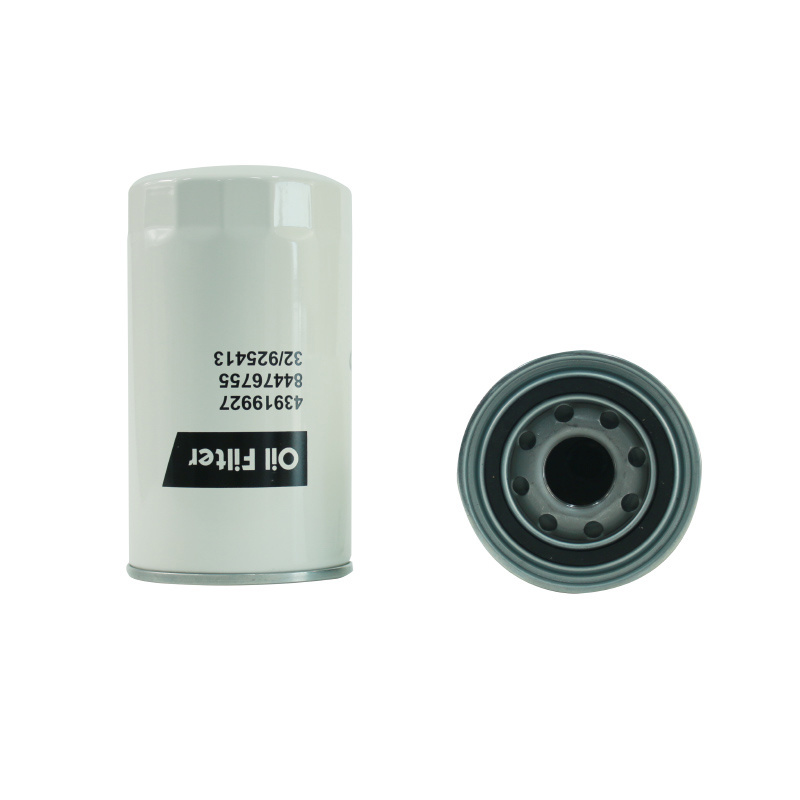
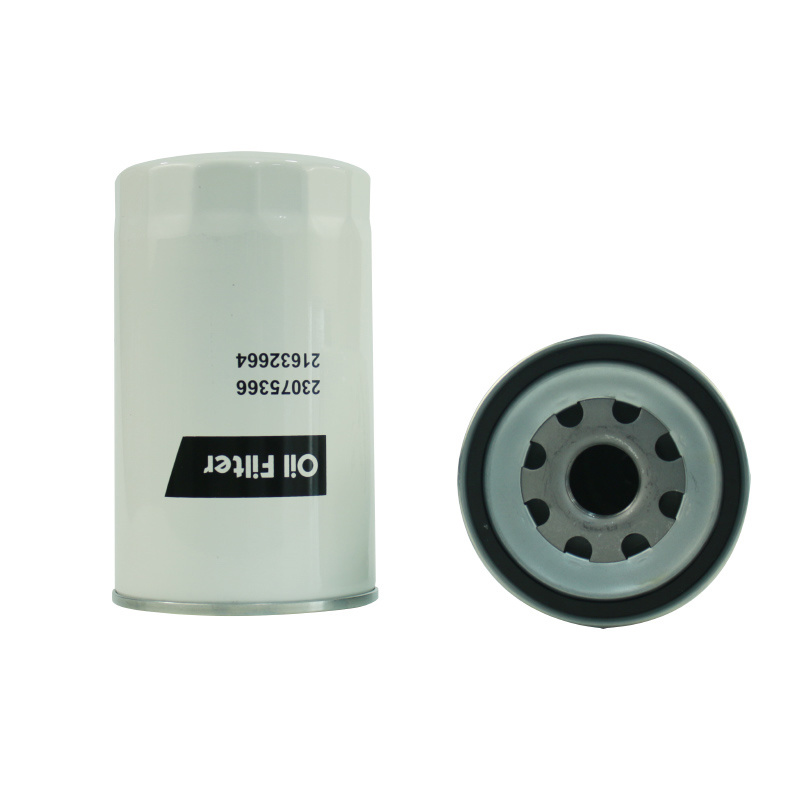
Hydraulic oil filters are designed to remove impurities from the hydraulic fluid before it circulates through the system. These filters come in various types, including suction filters, return line filters, and pressure filters, each serving a specific purpose within the hydraulic circuit. The choice of filter type depends on several factors, including the system design, fluid characteristics, and the specific application requirements.
One of the primary functions of hydraulic oil filters is to protect sensitive components within the hydraulic system, such as pumps, valves, and actuators. By trapping contaminants, filters help maintain fluid cleanliness, which is essential for preventing wear and tear on these components. Clean hydraulic oil leads to improved efficiency, reduced downtime, and extended equipment lifespan.
When selecting a hydraulic oil filter, it's crucial to consider the filter's micron rating, which indicates the size of particles it can effectively capture. A lower micron rating means better filtration capability; however, this can also lead to increased pressure drops and potential flow restrictions. Therefore, finding a balance between filtration efficiency and flow rate is essential for optimal system performance.
Regular maintenance of hydraulic oil filters is paramount to ensuring their effectiveness. Depending on the operating conditions and the level of contamination in the hydraulic fluid, filters may require replacement or cleaning at scheduled intervals. Ignoring filter maintenance can result in clogging, which impedes fluid flow and can cause catastrophic failures in the hydraulic system.
In conclusion, hydraulic oil filters are vital for maintaining the integrity and efficiency of hydraulic systems. By understanding their role and ensuring proper maintenance, industrial professionals can safeguard their equipment, optimize performance, and minimize operational costs. Whether you are involved in system design, maintenance, or operation, recognizing the importance of these filters will enable you to make informed decisions that enhance the reliability of your hydraulic applications.
You Can Also Learn More About Industry Trends




Address: Wangguanzhuang Automobile Industrial Park, Qinghe County, Xingtai City, Hebei Province, China


Main Products