Welcome to Hebei Takai Vehicle Parts Technology Co., Ltd.

The Essential Role of Oil Filters in Automotive Maintenance
Release Time:
Dec 21,2025
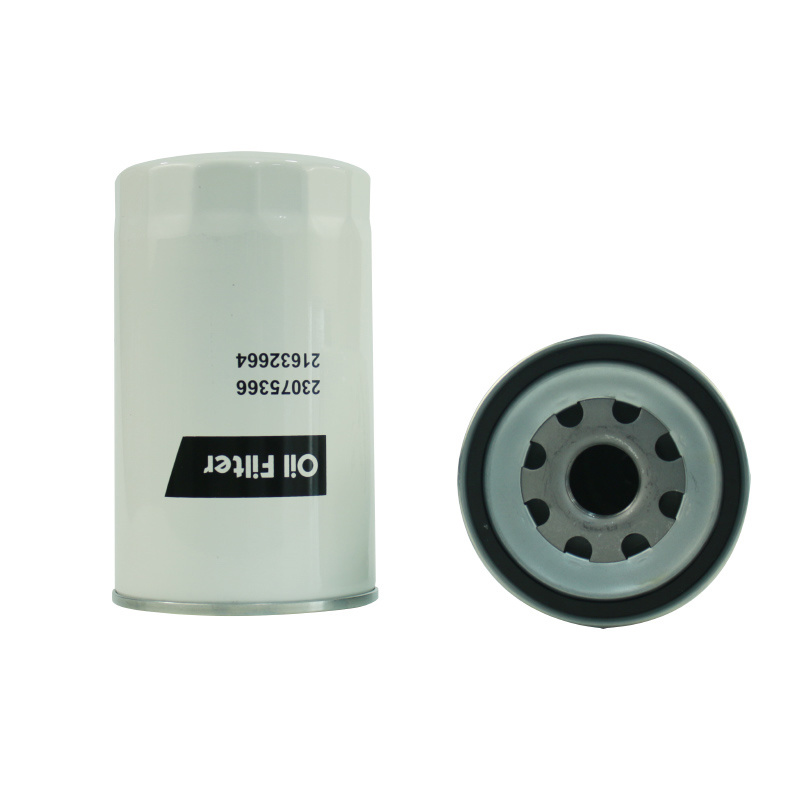
Oil filters are a vital component in the automotive industry, specifically in the maintenance of internal combustion engines. Their primary function is to remove contaminants from engine oil, which is essential for the proper functioning and longevity of the engine. As oil circulates through the engine, it picks up dirt, metal particles, and other impurities, which can lead to engine wear and redu
There are several types of oil filters, including mechanical, magnetic, and cartridge filters. Mechanical filters are the most common and use a pleated paper element to trap contaminants as they pass through the filter. Magnetic filters use magnets to attract metal particles, while cartridge filters are designed for easy replacement. Regardless of the type, all oil filters serve the same fundamental purpose: to keep the engine oil clean.
The benefits of using quality oil filters extend beyond just filtering out debris. Clean oil helps to maintain the proper viscosity, which is crucial for optimal engine performance. It ensures that moving parts are lubricated effectively, reducing friction and preventing overheating. Furthermore, clean oil contributes to better fuel efficiency, as the engine does not have to work as hard against contaminants.
Regular maintenance, including timely oil and filter changes, is essential for preserving engine health. Neglecting to replace the oil filter can result in a build-up of contaminants, leading to sludge formation and potentially severe engine damage. Most automotive manufacturers recommend changing the oil filter every time the oil is changed, typically every 3,000 to 7,500 miles, depending on the vehicle's make and model, driving conditions, and oil type used.
In addition to regular changes, it's crucial to select the right oil filter for your vehicle. While many may opt for generic filters, investing in high-quality filters can offer additional protection. Quality filters often come with advanced filtration technology, providing even better defense against engine wear.
In summary, oil filters are indispensable for maintaining the health and efficiency of your vehicle's engine. Understanding their function and adhering to a regular maintenance schedule can significantly enhance engine performance, improve fuel efficiency, and extend the vehicle's lifespan. Always consult your vehicle’s owner manual for specific recommendations regarding oil filter maintenance and replacement to ensure your engine runs smoothly for years to come.
You Can Also Learn More About Industry Trends



Address: Wangguanzhuang Automobile Industrial Park, Qinghe County, Xingtai City, Hebei Province, China


Main Products