Welcome to Hebei Takai Vehicle Parts Technology Co., Ltd.

Understanding Fuel Filters: Essential Knowledge for Optimal Vehicle Performance
Release Time:
Jan 14,2026
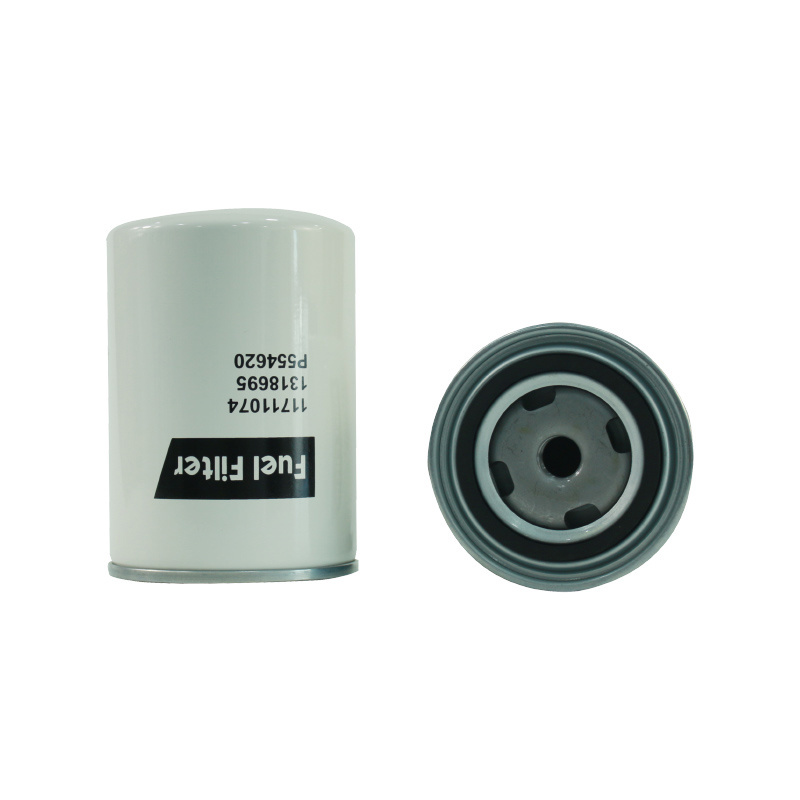
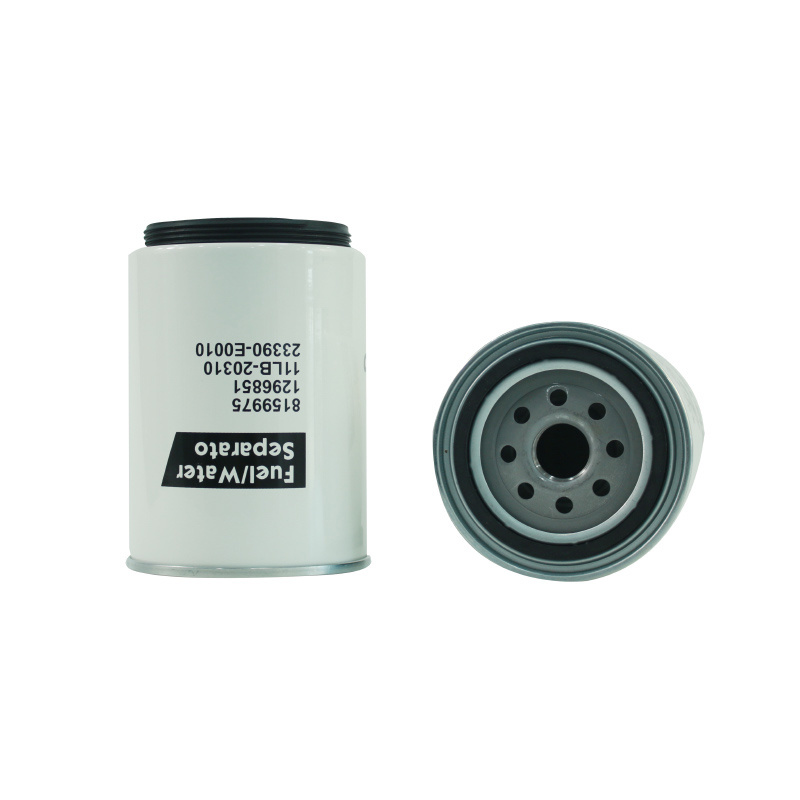
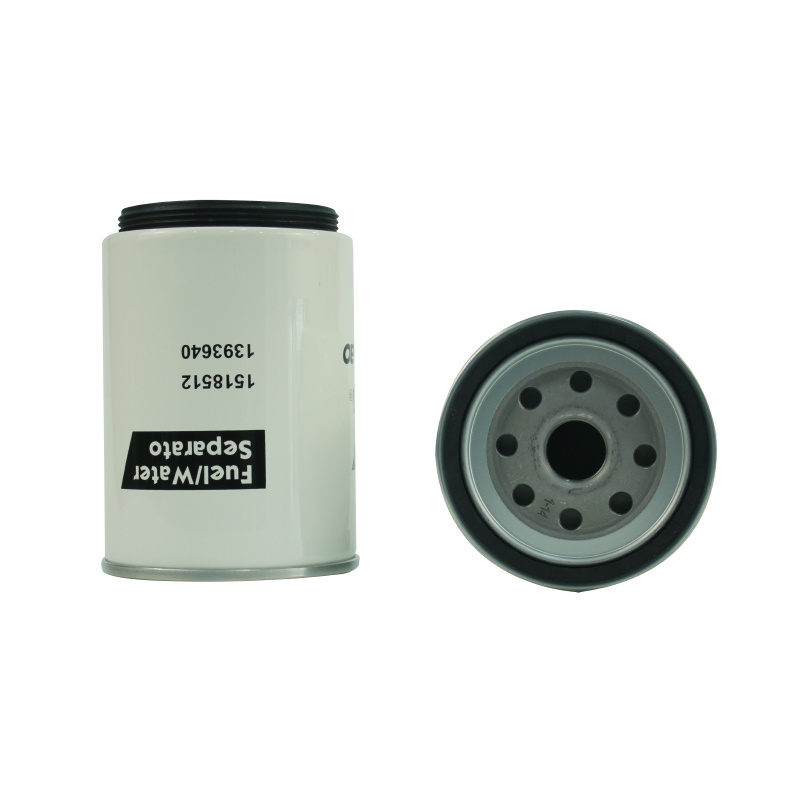
Fuel filters are an integral component of your vehicle's fuel system, designed to remove impurities, dirt, and contaminants from the fuel before it reaches the engine. The primary function of a fuel filter is to protect the fuel injectors and the engine itself from harmful particles that can lead to reduced performance and potential damage. Over time, fuel can accumulate various contaminants, inc
Over time, fuel can accumulate various contaminants, including rust, dirt, and debris, particularly if the fuel source is subpar. These impurities can obstruct fuel flow, making it vital to replace the fuel filter at regular intervals to maintain optimal engine performance. Factors such as driving conditions, fuel quality, and vehicle age can influence the lifespan of a fuel filter.
One of the most crucial signs that your fuel filter may need replacing is a noticeable decline in engine performance. This can manifest in several ways, including difficulty starting the engine, reduced acceleration, or stalling during operation. If your vehicle exhibits these symptoms, it may indicate that fuel is not flowing efficiently due to a clogged filter.
In addition to performance issues, other warning signs can include a drop in fuel efficiency and strange noises from the fuel tank. If you notice any of these symptoms, it is advisable to have your fuel filter inspected. Regular maintenance checks can help catch potential issues early, preventing more severe damage down the line.
Replacing a fuel filter is generally a straightforward process, but the specific procedure can depend on your vehicle model. Many vehicles have fuel filters located in the fuel tank, while others may have them in the fuel line or engine compartment. It is essential to consult your vehicle’s manual for the correct location and replacement steps.
Moreover, when selecting a fuel filter, it is crucial to choose one that is compatible with your vehicle's make and model. While there are many options available on the market, a high-quality filter will ensure that contaminants are effectively removed, thus extending the life of your fuel system and engine.
In conclusion, understanding the importance of fuel filters can greatly enhance your vehicle's performance and longevity. By being aware of the signs of a failing fuel filter and scheduling regular maintenance, you can help ensure a smooth and trouble-free driving experience. Keep your vehicle running at its best by prioritizing the health of your fuel filter.
You Can Also Learn More About Industry Trends



Address: Wangguanzhuang Automobile Industrial Park, Qinghe County, Xingtai City, Hebei Province, China


Main Products