Welcome to Hebei Takai Vehicle Parts Technology Co., Ltd.

Maximize Your Dump Truck's Efficiency with Top Fuel Filtration Solutions
Release Time:
Mar 24,2026
Maximize Your Dump Truck's Efficiency with Top Fuel Filtration Solutions Table of Contents Introduction to Fuel Filtration Solutions The Importance of Fuel Filtration in Dump Trucks Types of Fuel Filters for Dump Trucks Mechanical Fuel Filters Water Separator Filters High-Efficiency Filters Benefits of Using Top Fuel Filtration
Maximize Your Dump Truck's Efficiency with Top Fuel Filtration Solutions
Table of Contents
- Introduction to Fuel Filtration Solutions
- The Importance of Fuel Filtration in Dump Trucks
- Types of Fuel Filters for Dump Trucks
- Benefits of Using Top Fuel Filtration Solutions
- How to Choose the Right Fuel Filter for Your Dump Truck
- Installation and Maintenance of Fuel Filters
- Common Fuel Filter Issues and How to Address Them
- Frequently Asked Questions (FAQs)
- Conclusion
Introduction to Fuel Filtration Solutions
In the demanding world of heavy-duty vehicles, **dump trucks** play a crucial role in various industries including construction, mining, and waste management. These vehicles are often exposed to harsh conditions and dirty fuel that can jeopardize their performance. **Fuel filtration solutions** are key to maintaining the operational efficiency of dump trucks. By removing contaminants and ensuring that clean fuel reaches the engine, these systems not only enhance performance but also extend the lifespan of the vehicle.
The Importance of Fuel Filtration in Dump Trucks
Proper **fuel filtration** is vital for several reasons:
1. **Prevent Engine Damage**: Contaminants such as dirt, sludge, and water can cause severe damage to the engine components, leading to costly repairs and downtime.
2. **Enhance Fuel Efficiency**: Clean fuel ensures optimal combustion and efficient energy use, which translates into better fuel economy and reduced operational costs.
3. **Improve Performance**: A well-filtered fuel system allows dump trucks to perform at their best, ensuring reliability even under heavy loads.
4. **Reduce Emissions**: Efficient fuel combustion results in lower emissions, contributing to environmental sustainability and compliance with regulations.
Types of Fuel Filters for Dump Trucks
Understanding the different types of fuel filters available for dump trucks can help in selecting the best solution for your specific needs.
Mechanical Fuel Filters
Mechanical fuel filters are the most common type used in dump trucks. They utilize a physical barrier to capture dirt and particulates. These filters are simple in design but effective for everyday use. Regular maintenance is essential to ensure they operate at peak efficiency.
Water Separator Filters
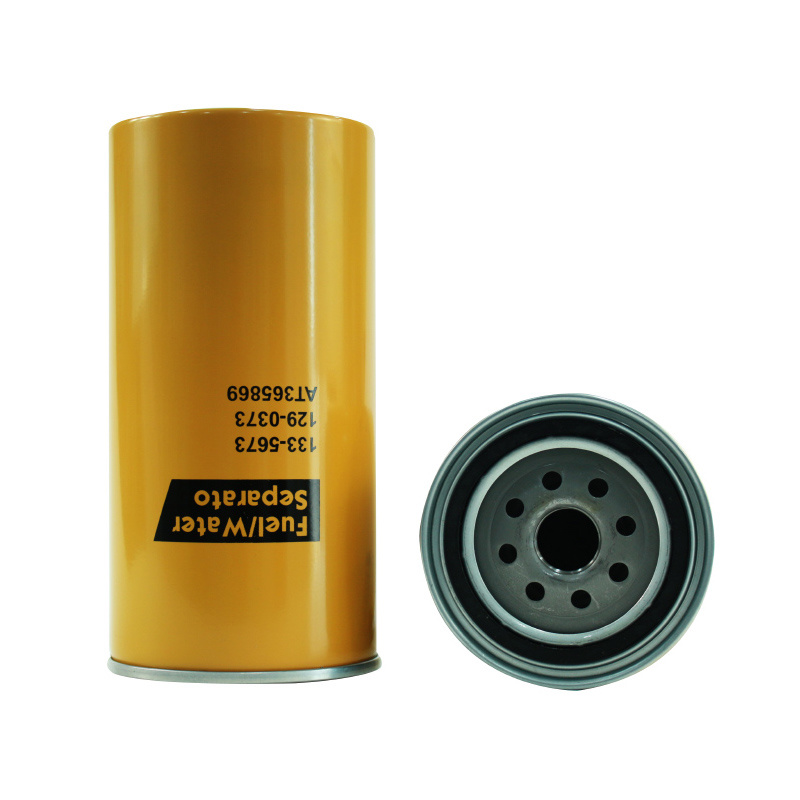
Water separator filters are critical in preventing water from entering the engine. Water can lead to rust and other issues within the fuel system. These filters use a coalescing media to separate water from fuel, ensuring that only clean fuel reaches the engine.
High-Efficiency Filters
High-efficiency filters are designed to capture microscopic contaminants that standard filters might miss. These filters are ideal for high-performance engines that require the utmost protection. While they may be more costly, their ability to enhance engine longevity and performance can justify the investment.
Benefits of Using Top Fuel Filtration Solutions
Investing in quality fuel filtration systems can provide numerous benefits:
- **Increased Fuel Economy**: With cleaner fuel, dump trucks can operate more efficiently, yielding significant savings on fuel costs over time.
- **Extended Engine Life**: By preventing harmful contaminants from entering the engine, quality fuel filters can prolong the lifespan of critical engine components.
- **Reduced Maintenance Costs**: A reliable filtration system reduces the frequency of repairs and maintenance, leading to lower overall costs.
- **Enhanced Operational Reliability**: Clean fuel contributes to consistent engine performance, minimizing the risk of breakdowns and increasing productivity on job sites.
How to Choose the Right Fuel Filter for Your Dump Truck
Selecting the right fuel filter involves considering several factors:
1. **Compatibility**: Ensure the filter is compatible with your dump truck’s engine and fuel system specifications.
2. **Filtration Efficiency**: Look for filters that provide high filtration efficiency to capture a wide range of contaminants.
3. **Flow Rate**: Choose a filter that can handle your dump truck's required fuel flow rate without restricting performance.
4. **Replacement Interval**: Consider how often the filter needs to be replaced and factor that into your maintenance schedule.
5. **Cost vs. Value**: While premium filters may have a higher upfront cost, their long-term benefits can lead to significant savings.
Installation and Maintenance of Fuel Filters
Proper installation and maintenance of fuel filters are essential for ensuring their effectiveness.
1. **Installation**: Follow the manufacturer's guidelines for installation to ensure the filter is positioned correctly in the fuel system. Consult a professional mechanic if unsure.
2. **Regular Checks**: Conduct regular inspections to check for signs of wear and tear. Monitor the fuel pressure and performance; any significant drop may indicate a clogged filter.
3. **Timely Replacement**: Adhere to the recommended replacement schedule. Waiting too long to replace filters can lead to engine damage.
4. **Clean Housing**: Ensure the filter housing is clean and free from debris during filter changes to prevent recontamination.
Common Fuel Filter Issues and How to Address Them
Several issues can arise with fuel filters, and being aware of them can help you address problems quickly.
1. **Clogged Filters**: A common issue is clogging due to dirt and debris buildup. Regular inspections and timely replacements are vital.
2. **Water Contamination**: Water can accumulate in the fuel tank, leading to rust and corrosion. Water separator filters are effective in mitigating this problem.
3. **Poor Fuel Quality**: Using low-quality fuel can lead to premature filter failure. Always source fuel from reputable suppliers.
4. **Incorrect Installation**: If a filter is not installed correctly, it can lead to leaks and reduced efficiency. Always follow installation guides or consult with professionals.
Frequently Asked Questions (FAQs)
1. What are the signs that my fuel filter needs replacement?
Common signs include reduced engine performance, hard starting, stalling, and decreased fuel efficiency.
2. How often should I replace my dump truck's fuel filter?
It is generally recommended to replace the fuel filter every 10,000 to 15,000 miles, but always consult your vehicle's manual for specific guidelines.
3. Can I clean a fuel filter instead of replacing it?
While some filters can be cleaned, it is often more effective to replace them, especially if they are clogged.
4. What type of fuel filter is best for heavy-duty dump trucks?
High-efficiency filters are recommended for heavy-duty applications due to their ability to trap smaller contaminants.
5. Is it necessary to use a water separator filter?
Yes, especially in areas where water contamination is common. Water separator filters protect the engine from potential damage.
Conclusion
Maximizing the efficiency of your dump truck hinges on the quality of your fuel filtration solutions. By investing in high-quality filters and adhering to a strict maintenance schedule, you can significantly enhance your truck's performance, prolong engine life, and reduce operational costs. Proper fuel filtration not only ensures that your dump truck runs smoothly but also contributes to a more environmentally friendly operation. Embrace the power of top fuel filtration solutions today, and witness the transformation in your dump truck’s efficiency.
You Can Also Learn More About Industry Trends



Address: Wangguanzhuang Automobile Industrial Park, Qinghe County, Xingtai City, Hebei Province, China


Main Products