Welcome to Hebei Takai Vehicle Parts Technology Co., Ltd.

Fuel Filter and Engine Performance: Exploring the Vital Connection
Release Time:
Dec 30,2025
Fuel Filter and Engine Performance: What's the Connection? Table of Contents 1. Understanding the Function of Fuel Filters 2. The Importance of Clean Fuel for Engine Performance 3. How Fuel Filters Work: An In-Depth Look 4. Signs of a Clogged Fuel Filter 5. The Impact of a Dirty Fuel Filter on Engine Performance 6. Regular Maintenance: Keeping Your Fuel Filter Clean 7. Choosing the Right Fuel Filt
Fuel Filter and Engine Performance: What's the Connection?
Table of Contents
1. Understanding the Function of Fuel Filters
2. The Importance of Clean Fuel for Engine Performance
3. How Fuel Filters Work: An In-Depth Look
4. Signs of a Clogged Fuel Filter
5. The Impact of a Dirty Fuel Filter on Engine Performance
6. Regular Maintenance: Keeping Your Fuel Filter Clean
7. Choosing the Right Fuel Filter for Your Vehicle
8. FAQs: Common Questions About Fuel Filters and Engine Performance
9. Conclusion: Maximizing Your Engine's Potential
1. Understanding the Function of Fuel Filters
Fuel filters are integral components of any vehicle's fuel system. Their primary role is to remove impurities and contaminants from the fuel before it reaches the engine. This ensures that only clean fuel is burned, which is essential for optimal engine performance. Understanding how fuel filters work helps car owners appreciate their significance and the need for regular maintenance.
2. The Importance of Clean Fuel for Engine Performance
Clean fuel is crucial for several reasons:
- **Efficiency**: Clean fuel allows for more efficient combustion, which means better fuel economy and improved power output.
- **Longevity**: Regularly maintaining a clean fuel system can extend the life of engine components, reducing the need for costly repairs and replacements.
- **Emissions**: A vehicle that runs on clean fuel produces fewer emissions, contributing to a healthier environment.
3. How Fuel Filters Work: An In-Depth Look
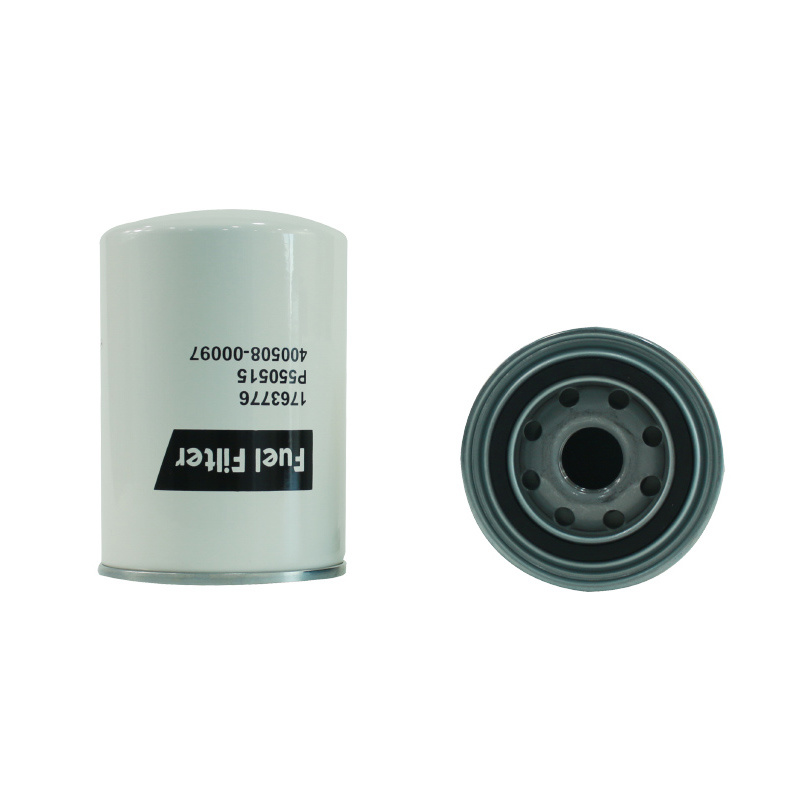
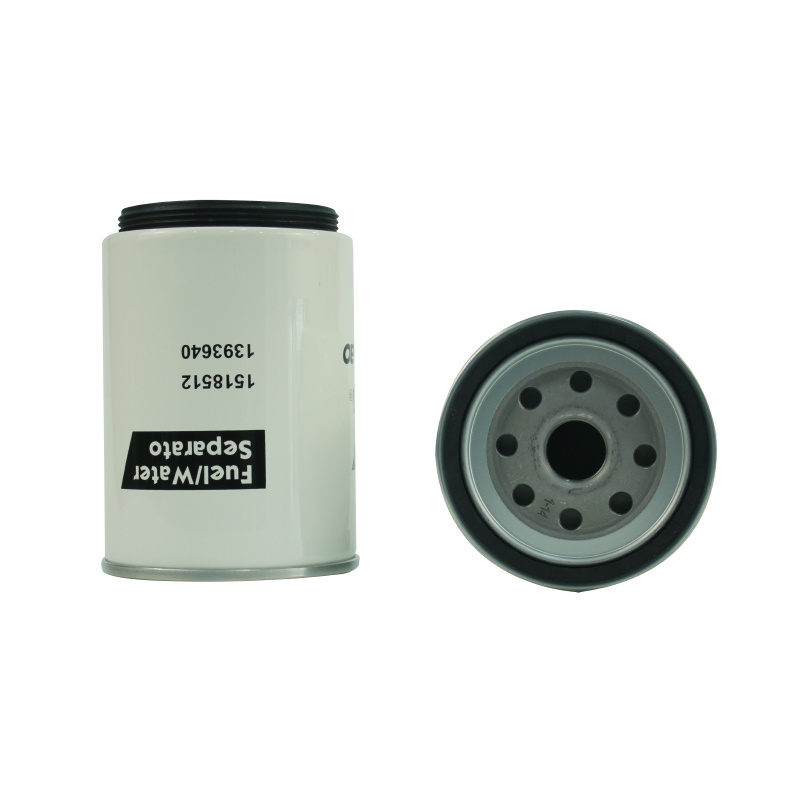
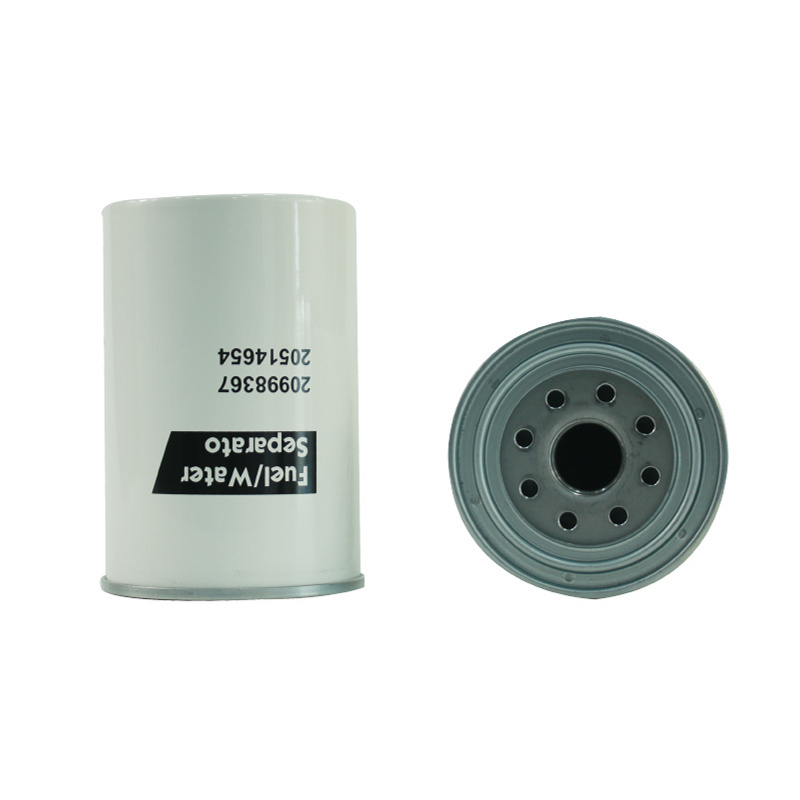
Fuel filters typically consist of a cylindrical housing that contains a filtering element. When fuel flows through the filter, contaminants such as dirt, rust, and other particles get trapped in the filter media. This prevents these impurities from entering the engine, where they could cause damage or reduce performance.
Modern fuel filters are designed to handle various fuel types, including gasoline, diesel, and biofuels. They typically need replacement every 20,000 to 30,000 miles, depending on the vehicle and driving conditions.
4. Signs of a Clogged Fuel Filter
Recognizing the signs of a clogged fuel filter is crucial for maintaining engine performance. Common indicators include:
- **Difficulty starting the engine**: If your vehicle struggles to start, it may be due to a lack of fuel reaching the engine.
- **Poor acceleration**: A clogged filter restricts fuel flow, leading to sluggish performance when accelerating.
- **Unusual engine sounds**: Unusual noises, such as sputtering or coughing, may indicate fuel delivery issues caused by a dirty filter.
- **Decreased fuel efficiency**: A noticeable drop in miles per gallon (MPG) can signal that your fuel filter is not allowing adequate fuel flow.
5. The Impact of a Dirty Fuel Filter on Engine Performance
A dirty or clogged fuel filter can have several detrimental effects on engine performance:
- **Increased Fuel Consumption**: When fuel filters become clogged, the engine compensates by using more fuel to maintain performance, leading to increased consumption and expense.
- **Engine Misfires**: Insufficient fuel reaching the engine can lead to misfires, causing rough idling and reduced power.
- **Potential Engine Damage**: If left unchecked, contaminants can enter the engine, which may lead to severe damage over time.
6. Regular Maintenance: Keeping Your Fuel Filter Clean
Regular maintenance is essential for ensuring optimal engine performance. Here are key practices to maintain a clean fuel filter:
- **Follow Manufacturer Recommendations**: Always refer to your vehicle's owner manual for specific guidelines on fuel filter replacement intervals.
- **Use Quality Fuel**: High-quality fuel with detergents can help keep your fuel system cleaner.
- **Monitor Fuel Quality**: Be aware of any changes in fuel quality, especially if you notice performance issues.
7. Choosing the Right Fuel Filter for Your Vehicle
When it comes to replacing fuel filters, selecting the right one is vital. Consider the following factors:
- **Vehicle Specifications**: Always choose a filter that meets the specifications set by the manufacturer.
- **Type of Fuel**: Ensure the filter is compatible with the type of fuel your vehicle uses—gasoline, diesel, etc.
- **Brand Reputation**: Opt for reputable brands known for quality and reliability in fuel filtration.
8. FAQs: Common Questions About Fuel Filters and Engine Performance
What is the lifespan of a fuel filter?
Most fuel filters should be replaced every 20,000 to 30,000 miles, but check your vehicle's manual for specifics.
Can a dirty fuel filter cause engine stalling?
Yes, a clogged fuel filter can restrict fuel flow, leading to engine stalling and poor performance.
How do I know if I need to replace my fuel filter?
Signs include difficulty starting the engine, poor acceleration, decreased fuel efficiency, and unusual engine noises.
Can I clean a fuel filter instead of replacing it?
Most modern fuel filters are designed for one-time use, and cleaning them is generally not recommended.
What are the benefits of a clean fuel filter?
A clean fuel filter enhances engine performance, increases fuel efficiency, and prolongs the life of engine components.
9. Conclusion: Maximizing Your Engine's Potential
In summary, the relationship between fuel filters and engine performance is critical for any vehicle owner. Clean fuel filters play an essential role in enhancing efficiency, longevity, and overall performance. Regular maintenance and timely replacement of fuel filters are necessary to ensure your engine runs smoothly and effectively. By understanding their function and importance, we can take proactive measures to maximize our engine's potential and enjoy a more reliable driving experience. Prioritize the health of your fuel system, and you'll reap the rewards in performance and savings.
You Can Also Learn More About Industry Trends



Address: Wangguanzhuang Automobile Industrial Park, Qinghe County, Xingtai City, Hebei Province, China


Main Products