Welcome to Hebei Takai Vehicle Parts Technology Co., Ltd.

Understanding Light Truck Fuel Filters: Essential Insights for Optimal Engine Performance
Release Time:
Feb 04,2026
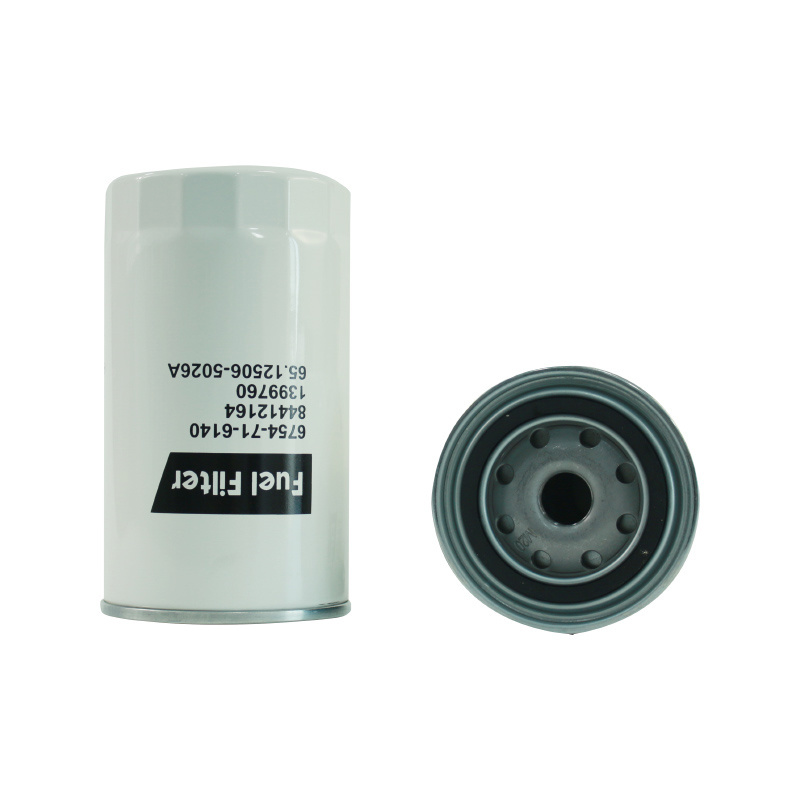
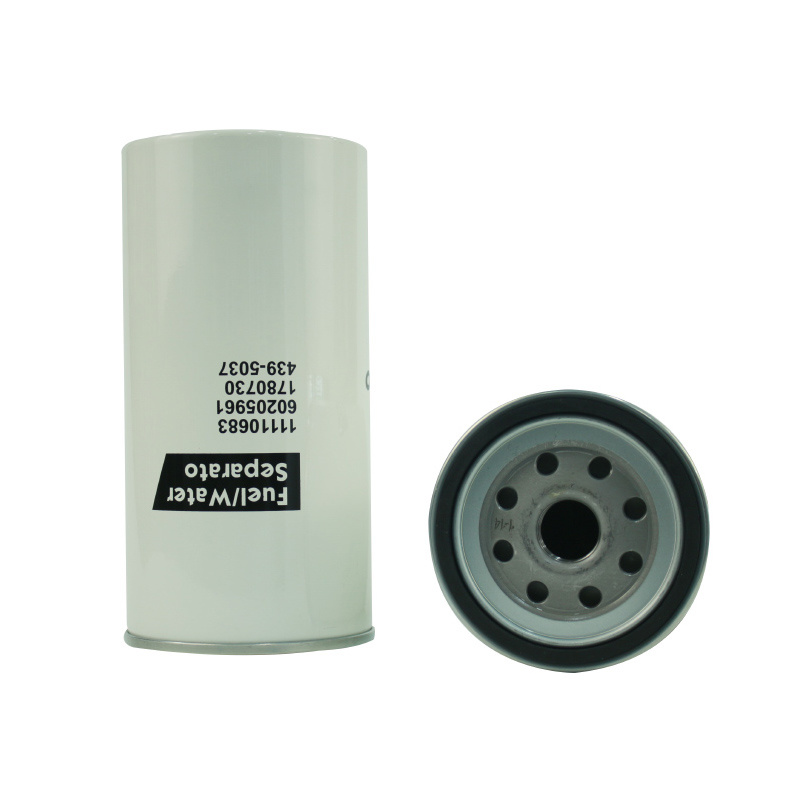
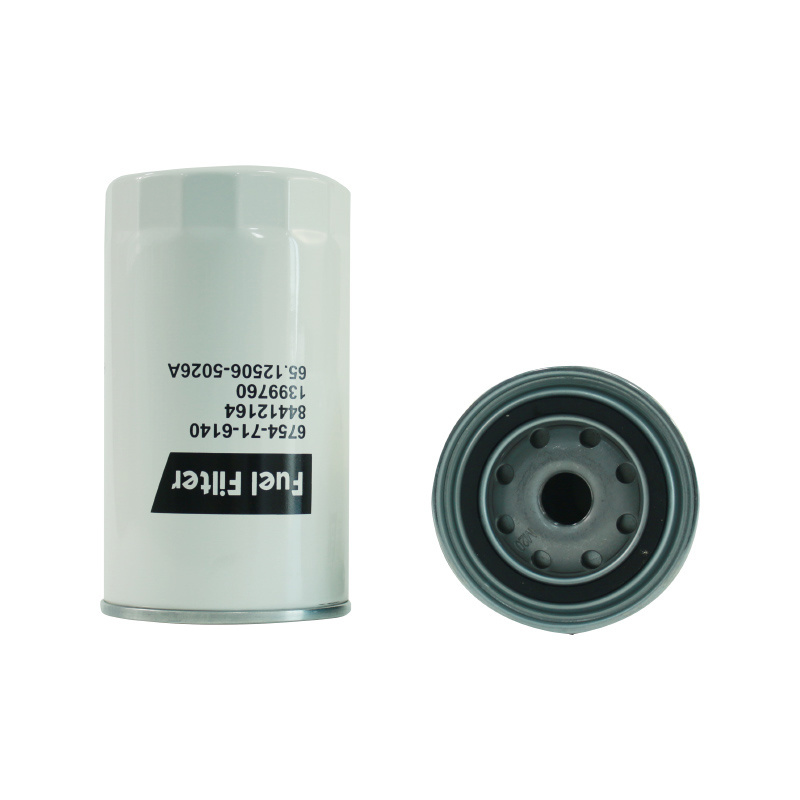
Fuel filters play a vital role in the performance and longevity of light trucks. These components are responsible for filtering out impurities and contaminants from the fuel before it reaches the engine. By ensuring that only clean fuel enters the engine, light truck fuel filters help enhance overall performance, improve fuel efficiency, and reduce harmful emissions. One of the primary functions o
One of the primary functions of light truck fuel filters is to trap dirt, rust, and other particulate matter that may be present in the fuel. Over time, these contaminants can accumulate and clog the fuel lines, leading to reduced fuel flow and potential engine damage. Regularly replacing the fuel filter is essential to prevent these issues and ensure that the engine operates smoothly.
When selecting a light truck fuel filter, it is crucial to consider several factors. First, compatibility with your specific make and model is paramount. Different trucks have varying fuel systems, and using the wrong filter can lead to suboptimal performance or even damage. Additionally, the type of fuel filter—whether it’s a spin-on, cartridge, or in-tank filter—can also affect performance. Understanding these aspects will help in making an informed choice.
Another critical aspect to consider is the maintenance schedule. While the lifespan of a fuel filter can vary, many manufacturers recommend replacing it every 20,000 to 30,000 miles, or as specified in the owner's manual. Neglecting to change the fuel filter can lead to decreased performance and may even trigger warning lights on the dashboard. Regular maintenance not only helps in maintaining optimal performance but can also save on costly repairs in the long run.
In addition to regular replacements, it's essential to be mindful of the quality of fuel used. Poor quality or contaminated fuel can overwhelm even the best fuel filters, leading to premature clogging. To mitigate this risk, always source fuel from reputable stations and consider using fuel additives that can help clean the system.
In conclusion, light truck fuel filters are a crucial component for maintaining the health of your vehicle's engine. By understanding their function, knowing when to replace them, and ensuring you use quality fuel, you can significantly enhance your truck's performance and longevity. Regular maintenance and attention to detail will ensure that your light truck remains reliable and efficient for years to come.
You Can Also Learn More About Industry Trends



Address: Wangguanzhuang Automobile Industrial Park, Qinghe County, Xingtai City, Hebei Province, China


Main Products