Welcome to Hebei Takai Vehicle Parts Technology Co., Ltd.

Unlocking the Power of Advanced Fuel Filters for Optimal Engine Performance
Release Time:
Feb 04,2026
--- In the modern automotive industry, advanced fuel filters have emerged as pivotal components for maintaining optimal engine performance and efficiency. These filters play a vital role in ensuring that only clean, contaminant-free fuel reaches the engine, thereby enhancing overall vehicle performance and longevity. Advanced fuel filters are designed to remove impurities, such as dirt, rust, and
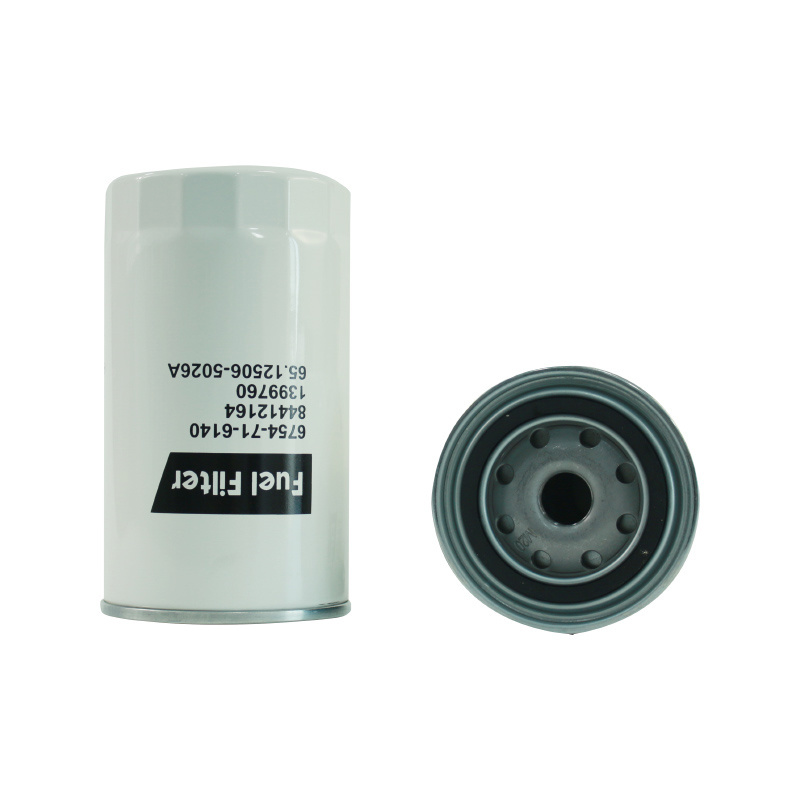
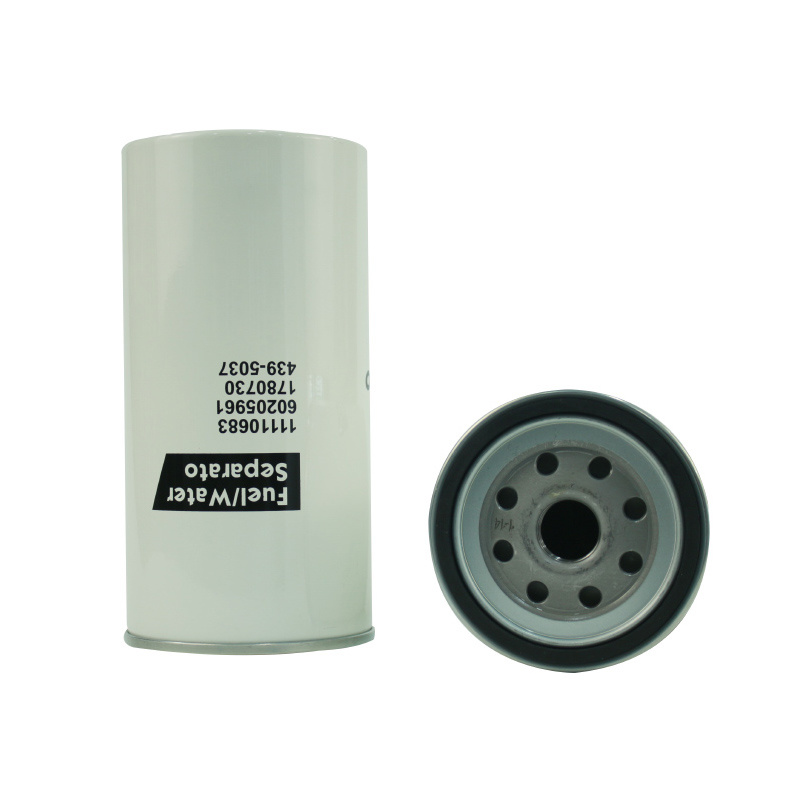
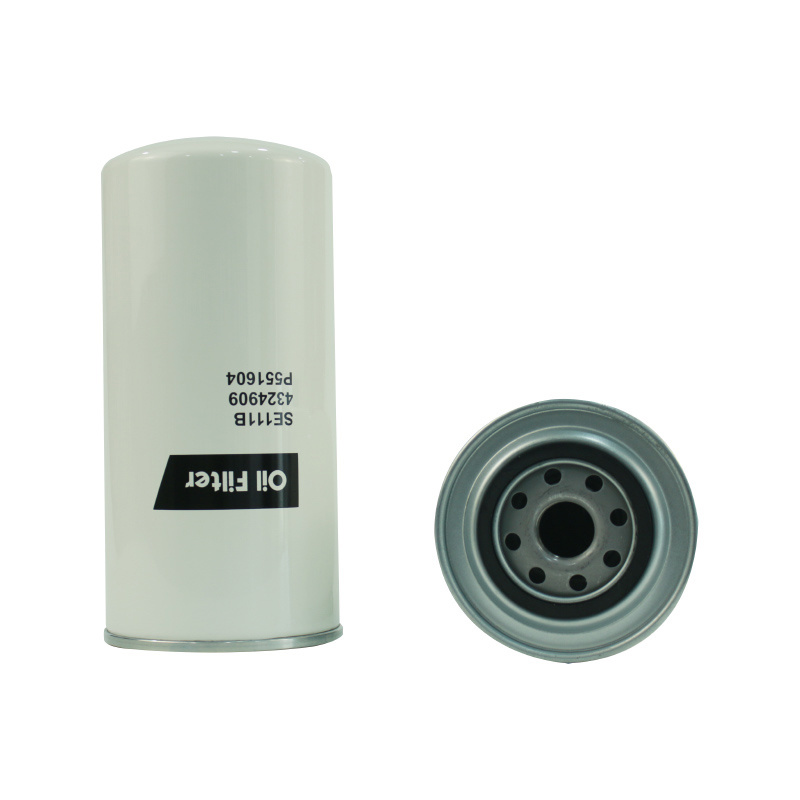
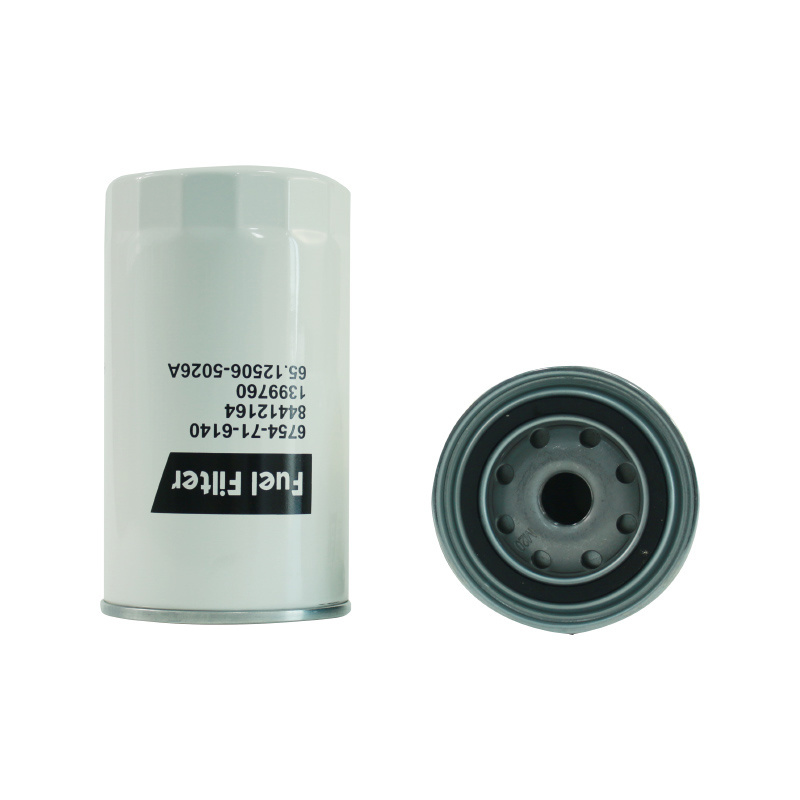
In the modern automotive industry, advanced fuel filters have emerged as pivotal components for maintaining optimal engine performance and efficiency. These filters play a vital role in ensuring that only clean, contaminant-free fuel reaches the engine, thereby enhancing overall vehicle performance and longevity.
Advanced fuel filters are designed to remove impurities, such as dirt, rust, and varnish, from the fuel before it enters the engine. This is crucial because these contaminants can cause serious damage to fuel injectors and combustion chambers, leading to reduced fuel efficiency and increased maintenance costs. Incorporating advanced filtration technologies, such as multi-layer filter media and electrostatic charge materials, these filters can capture smaller particles that traditional filters might miss, thus providing a higher level of protection for the engine.
One of the standout features of advanced fuel filters is their enhanced filtration capabilities. Unlike conventional filters, which primarily focus on larger particles, advanced filters employ sophisticated technologies that allow them to trap smaller contaminants. This includes the use of coalescer and microglass materials, which not only improve the filter's dirt-holding capacity but also extend its service life. Consequently, a well-maintained advanced fuel filter can significantly reduce the frequency of replacements, translating to lower operational costs for vehicle owners.
Another benefit of advanced fuel filters is their ability to improve fuel atomization. Cleaner fuel leads to better combustion, which optimizes engine performance. As a result, vehicles equipped with advanced fuel filters not only exhibit improved power output but also enhanced fuel efficiency. This is increasingly important as consumers seek to reduce their carbon footprint and enhance their vehicle's sustainability.
Moreover, advanced fuel filters play a significant role in prolonging the lifespan of the fuel system components. By providing superior filtration and preventing the accumulation of harmful deposits, these filters protect critical components like fuel pumps and injectors. This preventative measure can help avoid costly repairs and extend the overall life of the vehicle.
For those in the automotive aftermarket, understanding the importance of advanced fuel filters is essential. As vehicle owners become more educated about their cars and the technologies involved, offering high-quality advanced fuel filters can set businesses apart in a competitive landscape. Marketers should emphasize the benefits of these filters, such as enhanced engine performance, improved fuel economy, and reduced maintenance costs, to attract environmentally conscious consumers.
In conclusion, advanced fuel filters are not just an accessory; they are essential for maintaining optimal engine performance and ensuring the longevity of vehicles. By investing in advanced filtration technology, both manufacturers and consumers can benefit from improved efficiency and reduced long-term costs, making them a wise choice for any automotive application. Embracing these advancements will certainly lead to a brighter, more sustainable future for the automotive industry.
You Can Also Learn More About Industry Trends



Address: Wangguanzhuang Automobile Industrial Park, Qinghe County, Xingtai City, Hebei Province, China


Main Products