Welcome to Hebei Takai Vehicle Parts Technology Co., Ltd.

Understanding Light Truck Fuel Filters: Essential Components for Optimal Engine Performance
Release Time:
Feb 04,2026
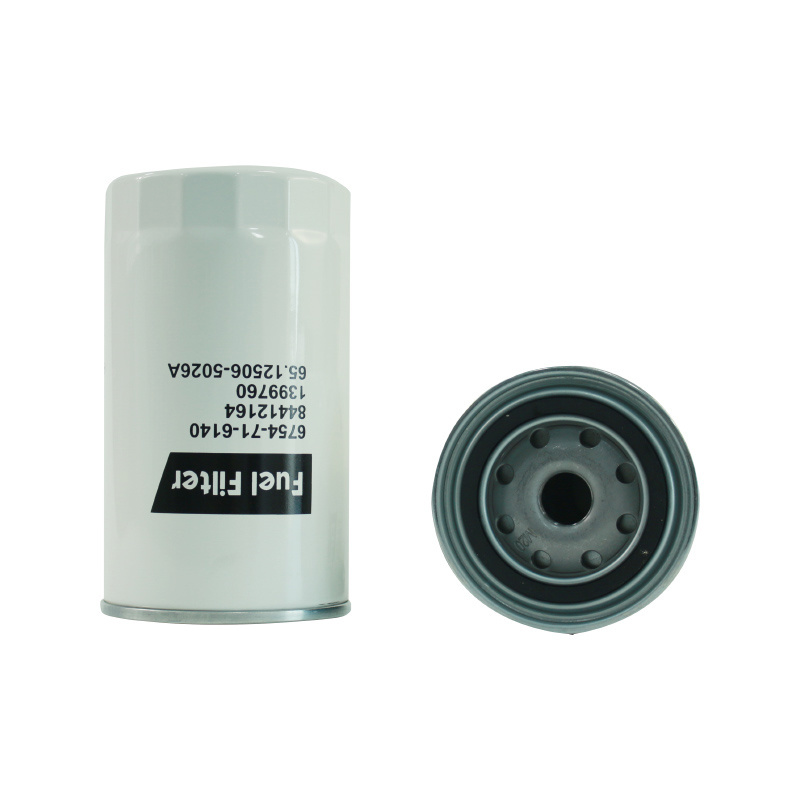
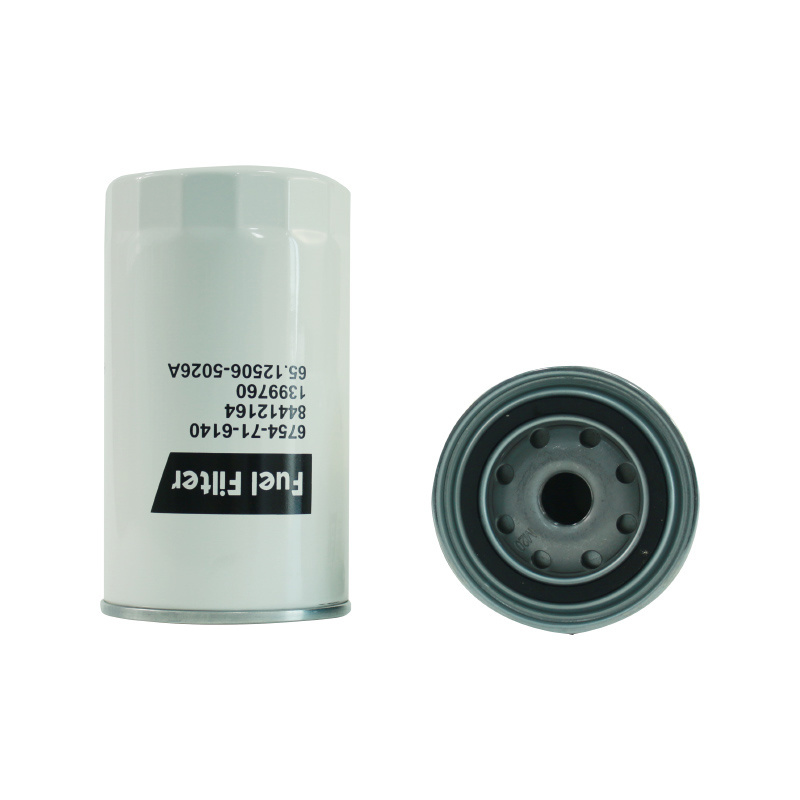
Fuel filters are an essential component of any light truck's fuel system. They serve a vital function by removing impurities and contaminants from the fuel before it reaches the engine. This not only helps in maintaining engine performance but also prolongs the life of various engine components. Understanding the importance of light truck fuel filters can empower automotive professionals to make i
Light truck fuel filters typically capture dirt, rust, and other debris that can enter the fuel system. These contaminants can originate from fuel storage tanks, fuel lines, or even from the fuel itself. If left unchecked, these impurities can lead to clogged injectors, reduced fuel efficiency, and ultimately, engine damage. Therefore, regular inspection and timely replacement of fuel filters are crucial for maintaining optimal engine performance.
There are generally two main types of fuel filters used in light trucks: inline filters and cartridge filters. Inline filters are usually located within the fuel line and can be easily replaced. Cartridge filters, on the other hand, are often integrated into the fuel tank or fuel pump assembly and may require more labor-intensive replacement procedures. Understanding the type of fuel filter used in a specific light truck model is important for ensuring proper maintenance.
When it comes to maintenance, it is recommended to check the fuel filter during routine service intervals. Many manufacturers suggest changing the fuel filter every 15,000 to 30,000 miles, but this can vary based on driving conditions and fuel quality. For light truck owners who frequently drive in dusty or off-road environments, more frequent changes may be necessary to keep the fuel system clear of contaminants.
Additionally, the use of high-quality fuel can make a significant difference in the performance of the fuel filter and, consequently, the engine. Poor-quality fuel often contains higher levels of impurities, leading to more rapid clogging of the filter. As such, encouraging clients to use reputable fuel sources can enhance the longevity of their fuel filters and overall engine health.
In conclusion, light truck fuel filters play a pivotal role in maintaining engine efficiency and longevity. By understanding their function, types, and maintenance needs, automotive professionals can better serve their clients and help them make informed decisions about their vehicle upkeep. Regular maintenance of fuel filters not only supports engine performance but also leads to improved fuel economy, making it a crucial aspect of light truck care.
You Can Also Learn More About Industry Trends



Address: Wangguanzhuang Automobile Industrial Park, Qinghe County, Xingtai City, Hebei Province, China


Main Products