Welcome to Hebei Takai Vehicle Parts Technology Co., Ltd.

Maximizing Engine Longevity with Durable Tractor Oil Filters: A Comprehensive Guide
Release Time:
Feb 09,2026
Maximizing Engine Longevity with Durable Tractor Oil Filters Introduction to Tractor Oil Filters In the world of agriculture and heavy machinery, maintaining the efficiency and durability of your tractor's engine is crucial. One of the critical components in achieving this is the oil filter. Tractor oil filters are designed to remove contaminants from engine oil, thereby ensuring that your engine
Maximizing Engine Longevity with Durable Tractor Oil Filters
Introduction to Tractor Oil Filters
In the world of agriculture and heavy machinery, maintaining the efficiency and durability of your tractor's engine is crucial. One of the critical components in achieving this is the oil filter. Tractor oil filters are designed to remove contaminants from engine oil, thereby ensuring that your engine runs smoothly and efficiently. By maximizing engine longevity with durable tractor oil filters, farmers and operators can save on costly repairs and extend the lifespan of their equipment.
The Importance of Quality Oil Filters in Tractor Maintenance
Investing in high-quality oil filters is an essential aspect of tractor maintenance. **Quality oil filters** serve as the first line of defense against dirt, debris, and other contaminants that can accumulate in the oil. When these impurities are left unchecked, they can lead to serious engine problems, including increased wear and tear, overheating, and even catastrophic failure.
Understanding the Function of Oil Filters
Oil filters play a fundamental role in the engine's lubrication system. The main functions include:
- **Contaminant Removal**: They trap harmful particles, allowing clean oil to circulate through engine components.
- **Preventing Sludge Build-Up**: By filtering out impurities, they prevent sludge formation, which can clog engine parts.
- **Maintaining Oil Flow**: A clean filter ensures that oil flows smoothly, providing essential lubrication to the engine.
Types of Tractor Oil Filters
Several types of oil filters are available for tractors, each designed for specific needs:
1. Spin-On Oil Filters
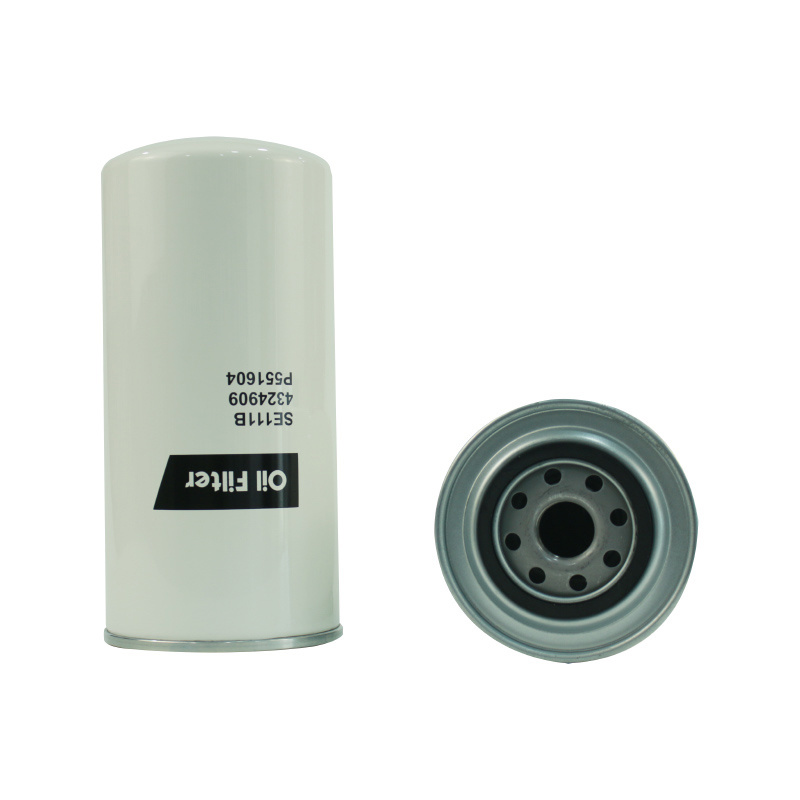
Spin-on oil filters are the most common type found in tractors. They come pre-filled with oil and are easy to replace, making maintenance straightforward. Their design allows for quick installation and removal.
2. Cartridge Oil Filters
Cartridge filters require a separate housing and are typically used in larger machinery. They may be more complex to replace but offer excellent filtration capabilities.
3. Magnetic Oil Filters
These filters use magnets to attract metal particles in the oil. While they can be used alongside traditional filters, they are often considered an additional measure to enhance filtration.
4. Bypass Oil Filters
Bypass filters are designed to handle a small portion of the oil flow, providing extra filtration without restricting oil supply to the engine. They are often used in conjunction with standard filters for optimal protection.
Factors to Consider When Choosing Tractor Oil Filters
Selecting the right oil filter for your tractor involves several considerations:
Compatibility with Your Tractor Model
Always check the manufacturer's specifications to ensure that the oil filter is compatible with your tractor model. Using the wrong filter can lead to poor performance and potential engine damage.
Filter Efficiency Ratings
Look for oil filters with high efficiency ratings. **Higher efficiency means better filtration**, which translates to cleaner oil and a healthier engine.
Brand Reputation and Quality
Choosing well-known brands often ensures quality and reliability. Research customer reviews and ratings to gauge the effectiveness of various oil filter brands.
Maintenance Tips for Longevity with Oil Filters
To maximize engine longevity, it is essential to follow proper maintenance practices:
Regular Oil Changes
Changing the oil regularly is crucial for maintaining clean oil and reducing strain on the filter. Check your tractor manual for recommended oil change intervals.
Inspect and Replace Filters Periodically
Regularly inspect your oil filters for signs of wear or damage. It is advisable to replace them at least with every oil change or according to the manufacturer's recommendations.
Monitor Engine Performance
Pay attention to any changes in engine performance. If you notice unusual noises, decreased efficiency, or engine overheating, it may indicate a problem with the oil filter or the lubrication system.
Benefits of Durable Tractor Oil Filters
Using durable oil filters offers numerous advantages that contribute to enhancing your tractor's performance:
Enhanced Engine Protection
Durable oil filters provide superior filtration, ensuring that harmful particles do not circulate in the oil. This protects vital engine components from wear and tear.
Improved Fuel Efficiency
When the engine runs smoothly, it operates more efficiently. Clean oil reduces friction, which can lead to improved fuel efficiency—a vital factor in agricultural operations.
Cost-Effectiveness
Investing in high-quality oil filters may seem like an expense upfront, but it can save money in the long run by preventing expensive engine repairs and replacements.
Common Misconceptions About Tractor Oil Filters
Despite their importance, there are several misconceptions surrounding tractor oil filters:
Myth 1: All Oil Filters Are the Same
The belief that all oil filters provide the same level of protection is false. Quality and efficiency can vary significantly between brands and types.
Myth 2: Changing Oil Filters Is Optional
Some operators may neglect filter changes, thinking that only oil changes are necessary. This is not true; **filter changes are essential** for maintaining engine health.
FAQs about Tractor Oil Filters
1. How often should I change my tractor's oil filter?
It is generally recommended to change the oil filter with every oil change, or as specified by your tractor's manufacturer.
2. Can I use any oil filter on my tractor?
No, it's crucial to choose an oil filter that is compatible with your specific tractor model to ensure optimal performance and protection.
3. What are the signs of a clogged oil filter?
Signs of a clogged oil filter may include reduced engine performance, oil pressure warning lights, and unusual engine noises.
4. How do I know if my oil filter is of good quality?
Look for filters with high efficiency ratings, reputable brand names, and good customer reviews.
5. Can using a cheap oil filter damage my engine?
Yes, using low-quality filters can lead to insufficient filtration, which can result in engine damage and costly repairs.
Conclusion
In conclusion, maximizing engine longevity with durable tractor oil filters is an essential practice for anyone operating heavy machinery. By understanding the importance of choosing the right filter, adhering to maintenance schedules, and combating common misconceptions, operators can significantly enhance their tractor's performance and lifespan. Investing time and resources into quality oil filters not only ensures a smoothly running engine but can also lead to substantial cost savings over time. Ultimately, the right tractor oil filter is a vital component in safeguarding your investment and ensuring your machinery operates at its best.
You Can Also Learn More About Industry Trends



Address: Wangguanzhuang Automobile Industrial Park, Qinghe County, Xingtai City, Hebei Province, China


Main Products